Commercial Roof Insurance Claim Assistance
We document roof damage, meet the adjuster on the roof, and produce a full-scope report, so a Manchester owner and their carrier work from the same accurate picture of the roof.


Repair, replacement, maintenance, coating, inspection, and occupied-building roof scopes for New Hampshire commercial properties.
Use these roof scopes to compare service needs, system choices, building constraints, and location-specific planning notes across southern New Hampshire.
Contact Us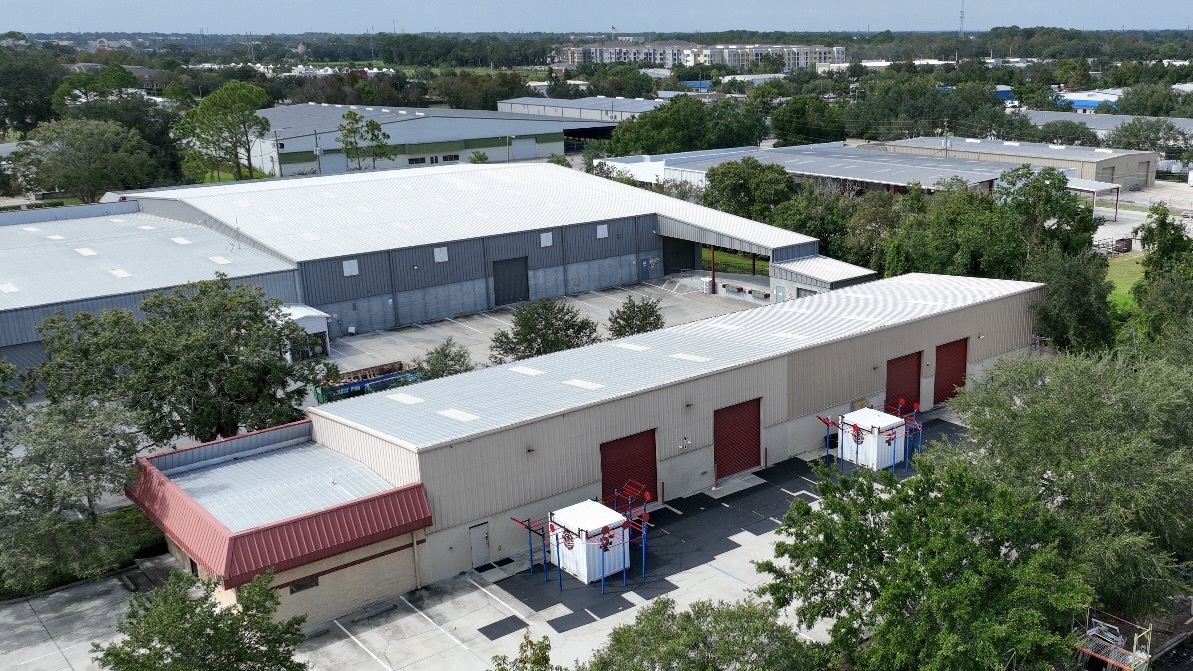
We document roof damage, meet the adjuster on the roof, and produce a full-scope report, so a Manchester owner and their carrier work from the same accurate picture of the roof.
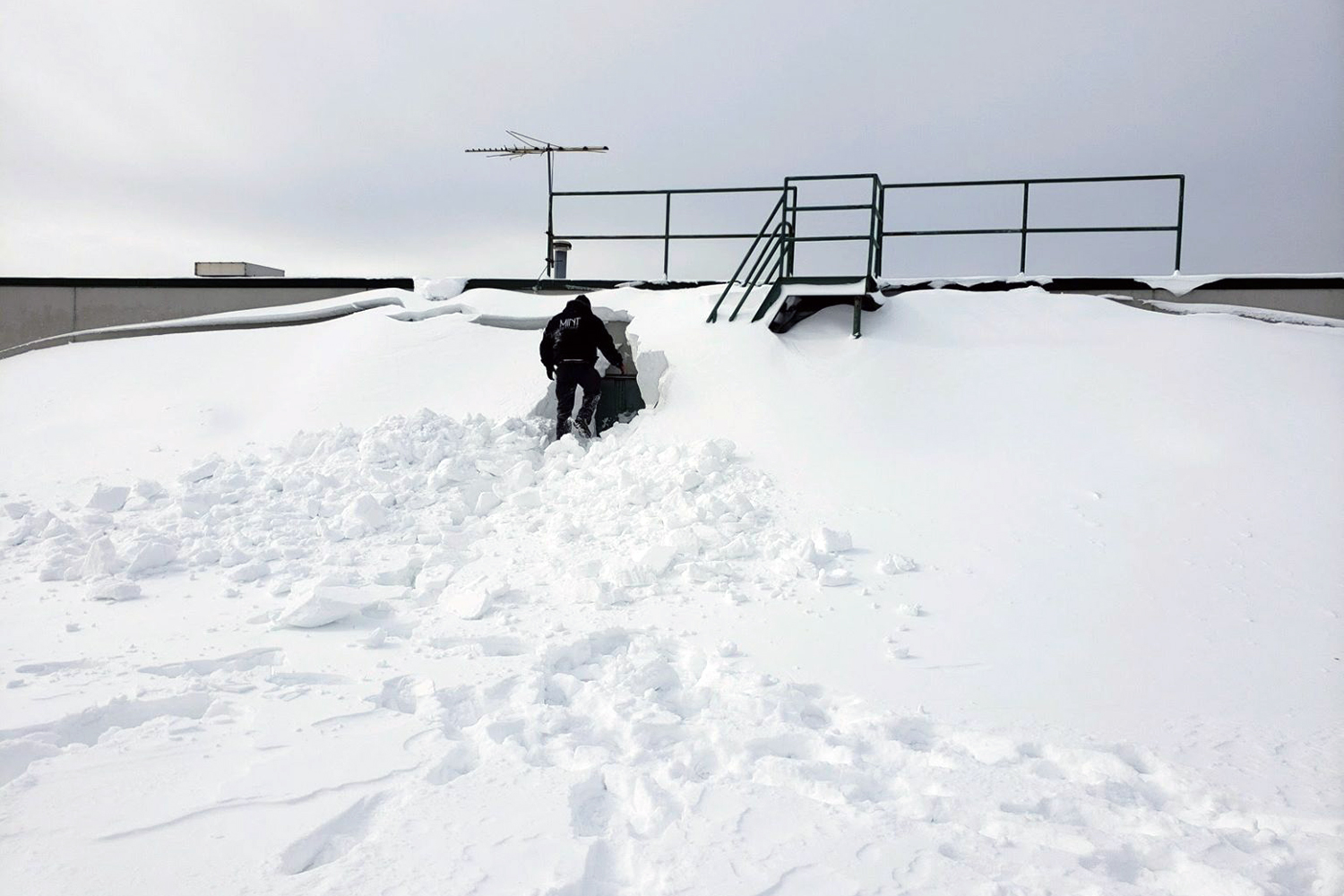
Ice-dam mapping and moisture documentation for winter roof losses, built for New Hampshire's freeze-thaw cycling from Manchester's Millyard to the Merrimack Valley.
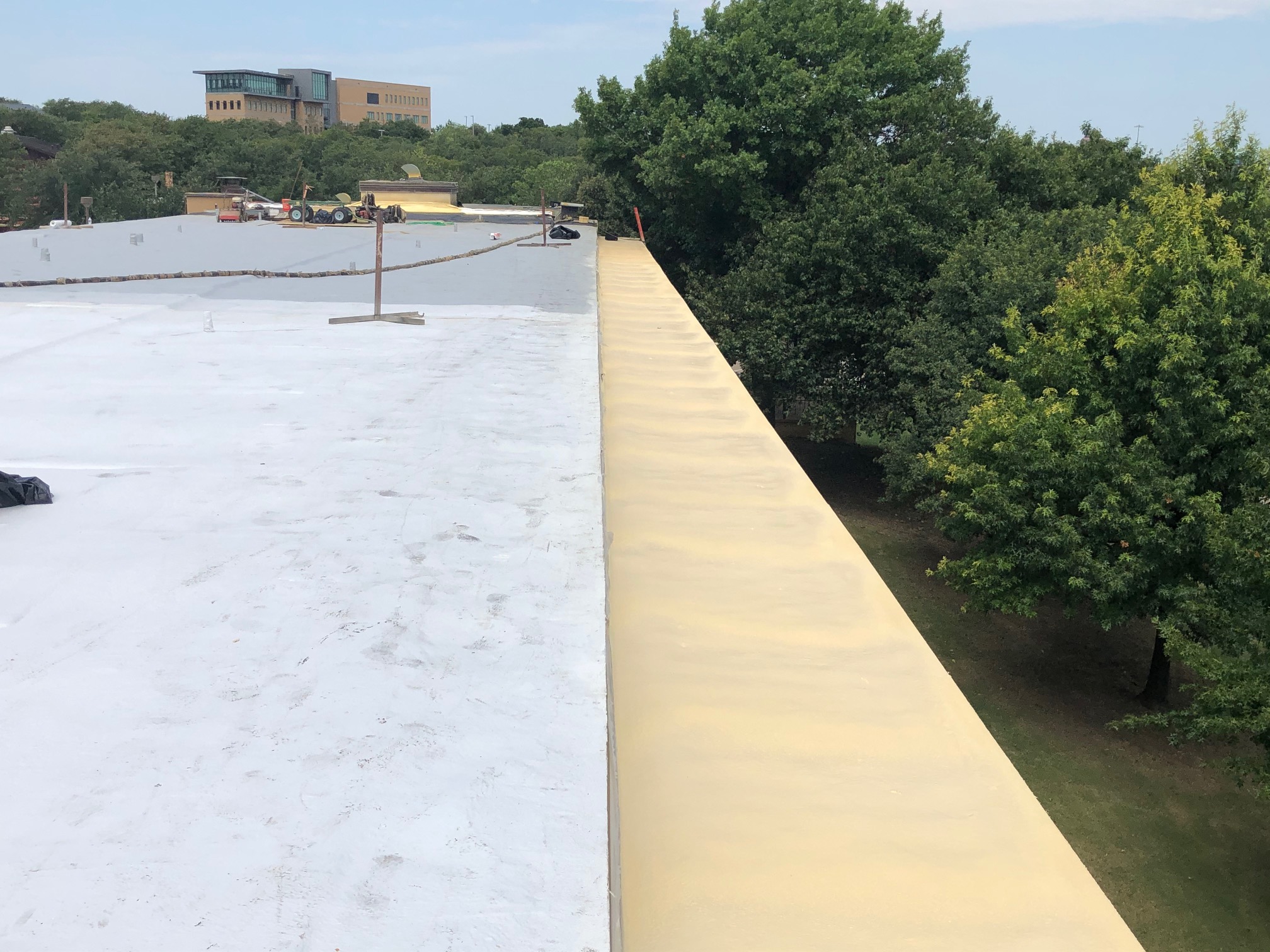
Uplift mapping and edge-metal documentation after a nor'easter or severe storm, prepared in the format New Hampshire commercial adjusters expect to review.
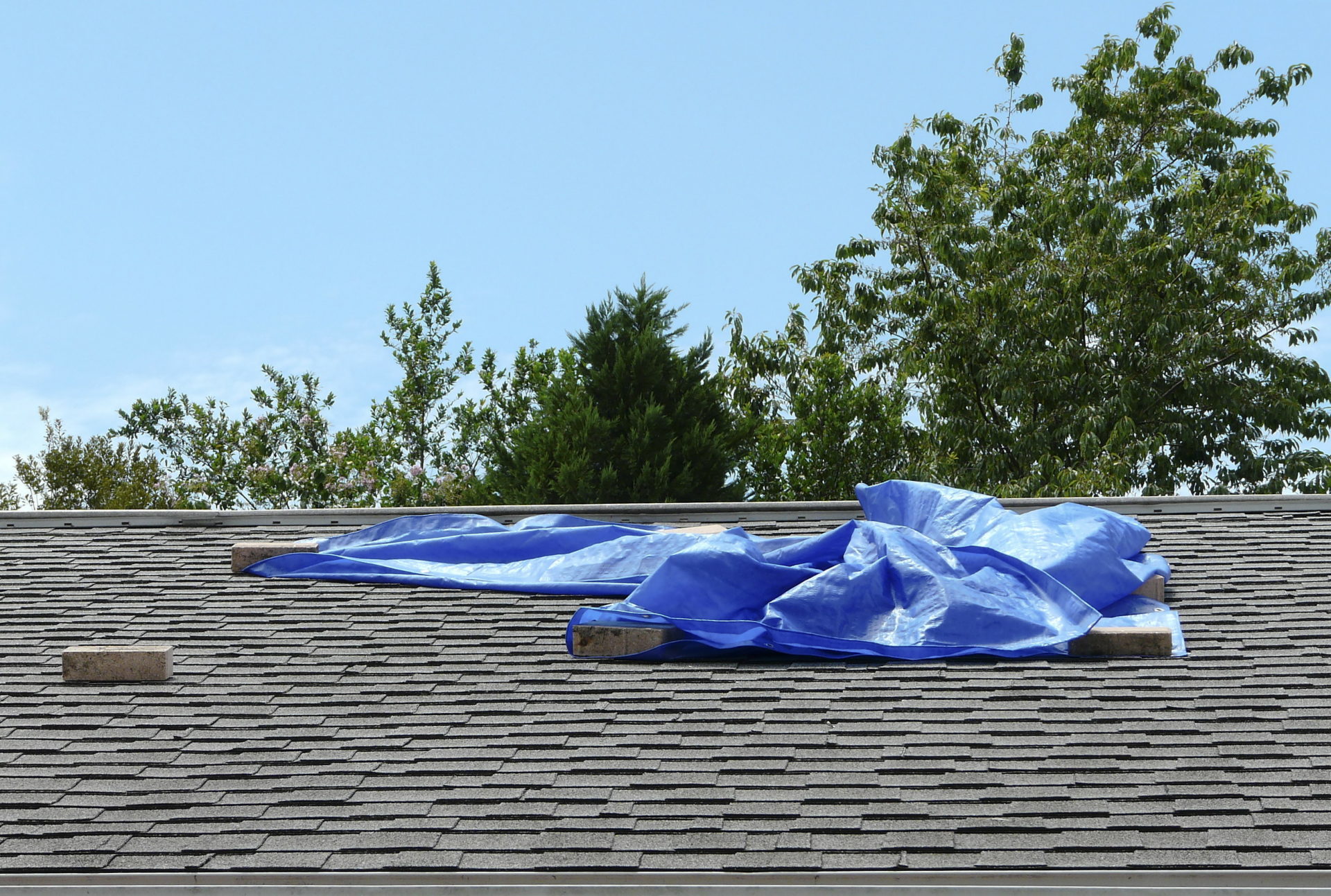
Active leaks get traced to the real entry point rather than the stain below, because in New Hampshire's wet-cold climate trapped water freezes, spreads, and ruins insulation fast.

Nor'easters and summer thunderstorms lift edge metal and tear membrane; storm repairs in the Manchester area start with a fast dry-in, then a documented permanent fix.
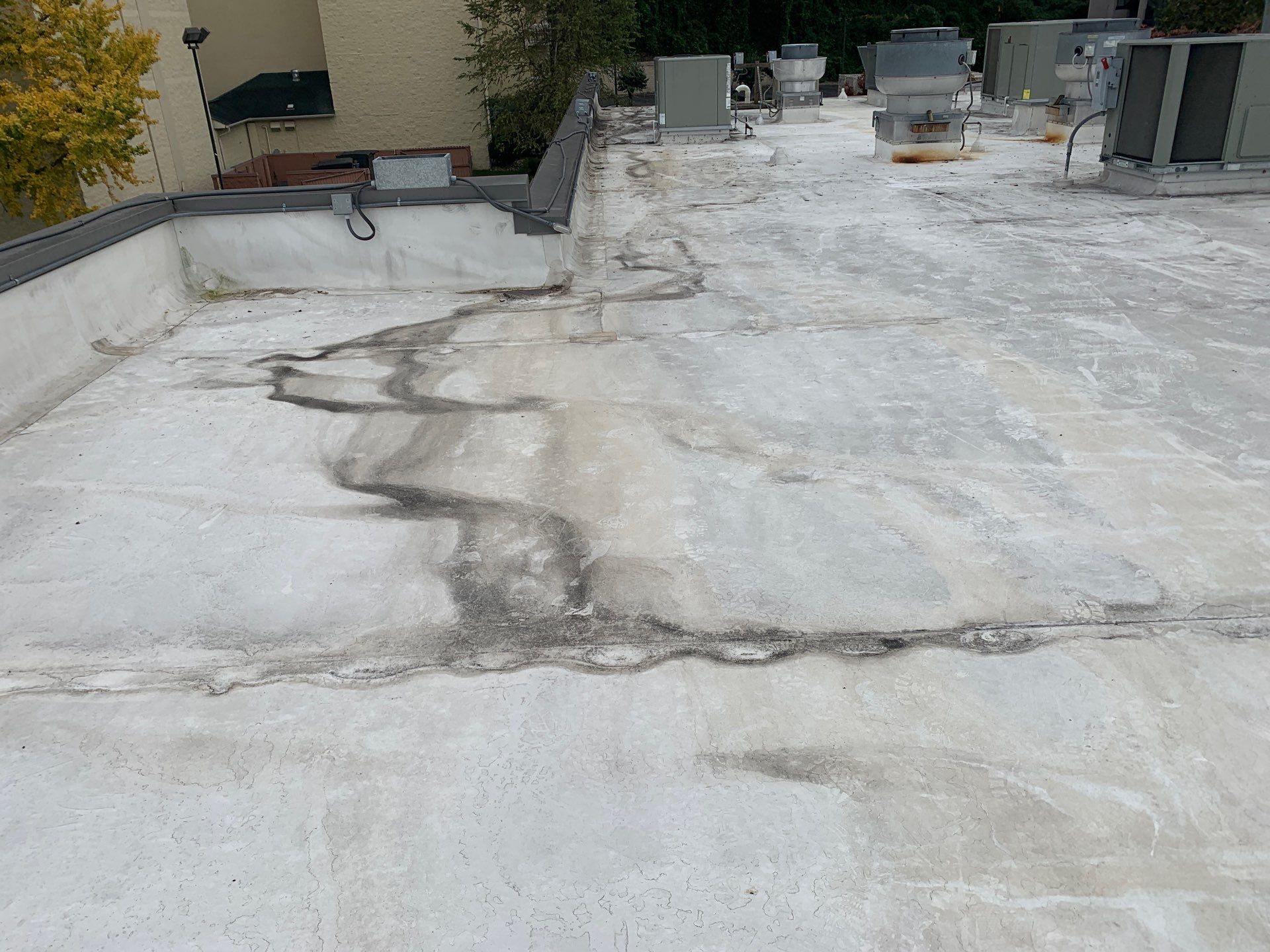
High winds peel back membrane and strip fasteners at the corners first; wind restoration re-secures the field and perimeter so the roof holds through the next New Hampshire blow.
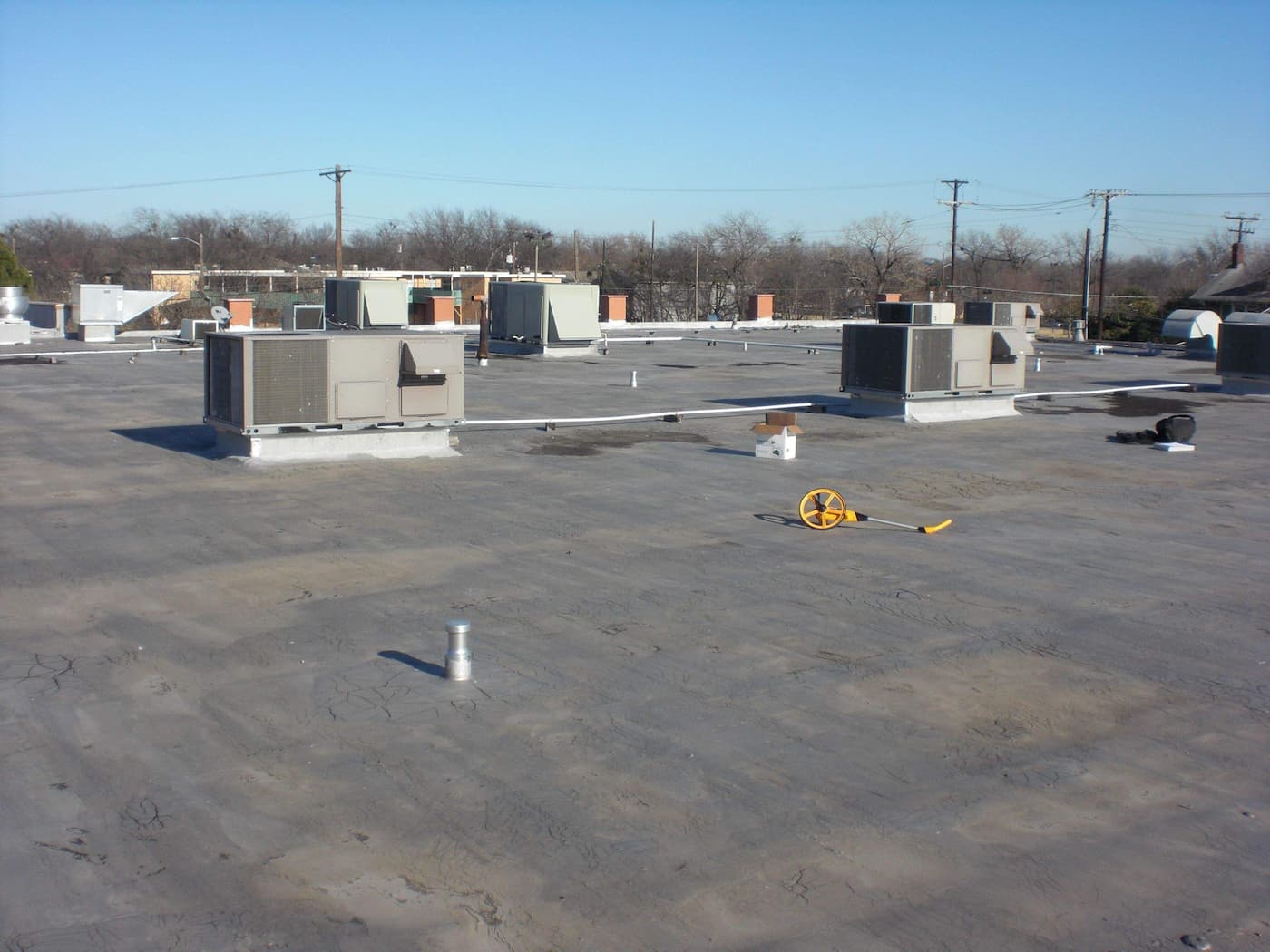
When a summer storm bruises a membrane or dents metal panels, we document the hail strikes for the carrier and restore the roof before winter drives water into the damaged spots.

When insulation is soaked and the membrane is spent, a full tear-off down to deck is the honest fix, rebuilt with new insulation and drainage ahead of New Hampshire's next freeze.

When patch-and-pray no longer holds, a planned re-roof lets a Manchester property reset its membrane, insulation, and drainage in one coordinated season ahead of the next nor'easter.
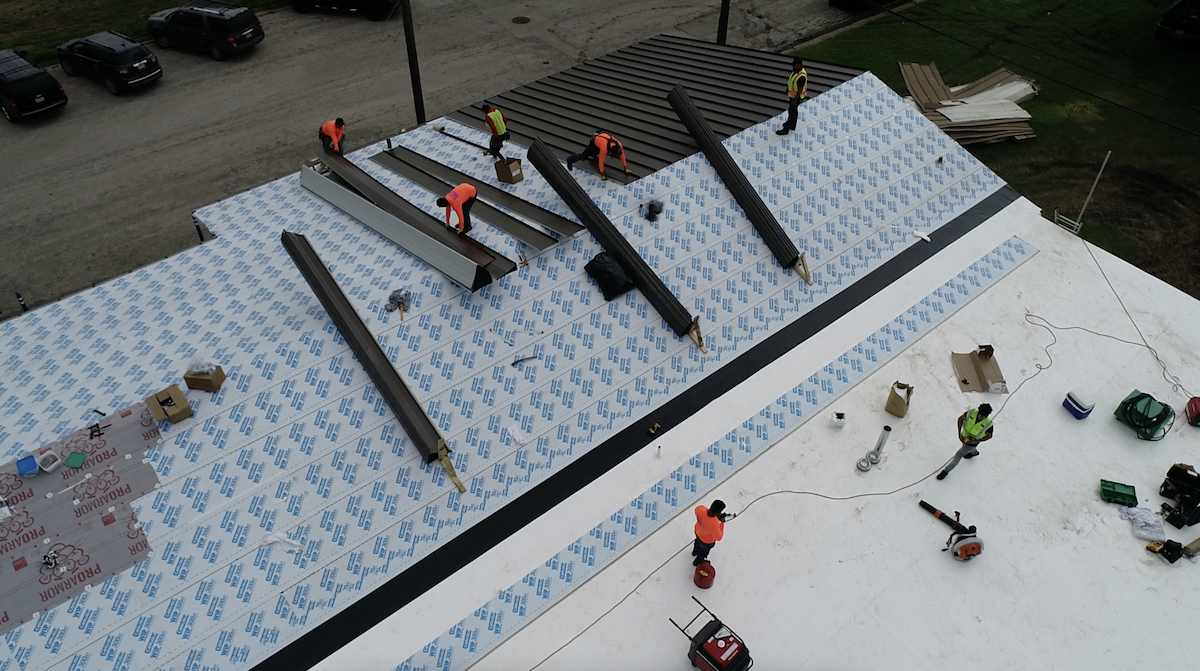
Re-roofing a fully occupied Manchester building is about logistics as much as roofing, controlling noise, odor, and debris while never leaving tenants exposed to the next storm overnight.
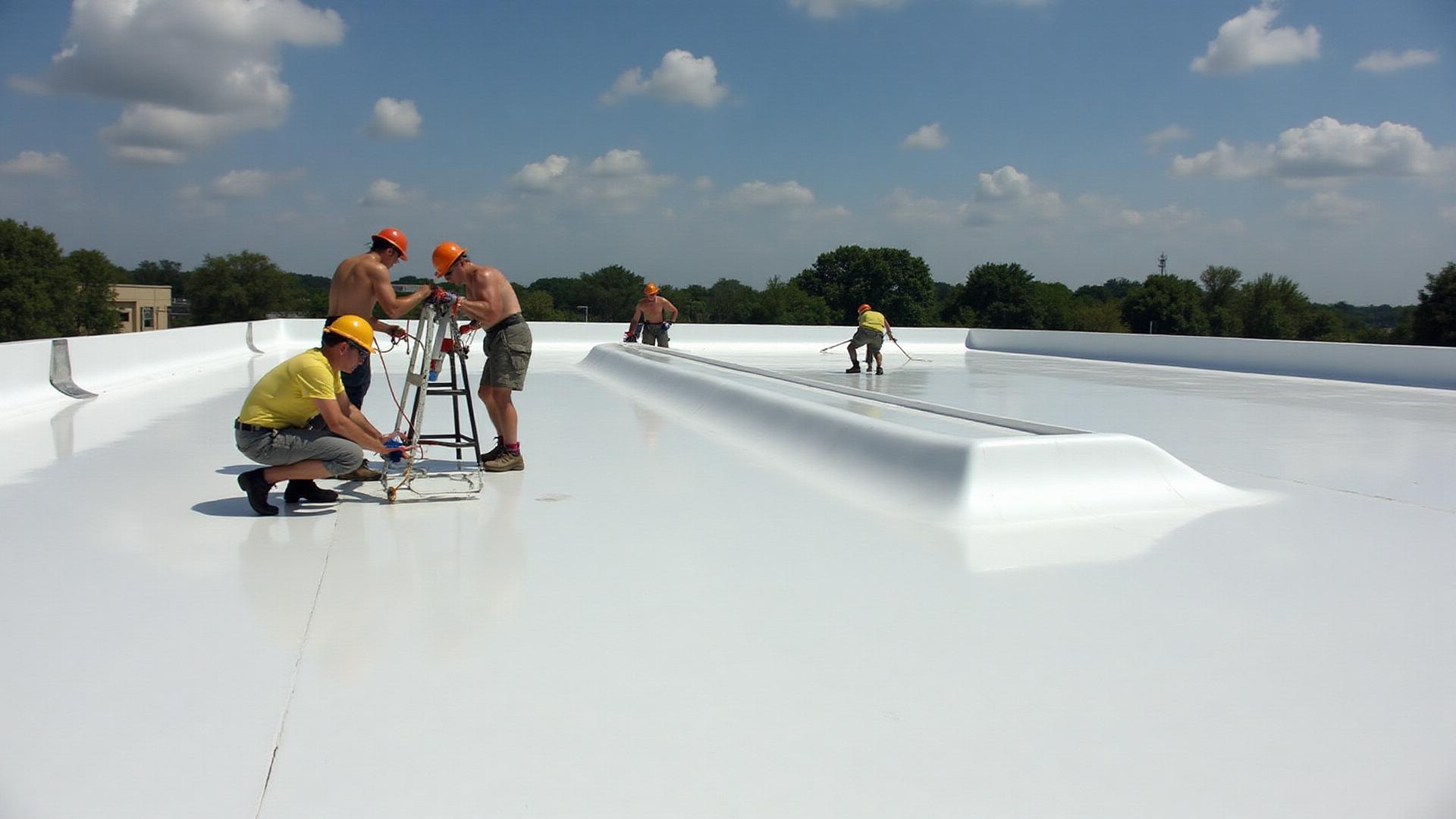
Reflective, heat-welded TPO is among the most common new flat-roof choices in the Manchester market, balancing energy savings with seams strong enough for New England's freeze-thaw load.
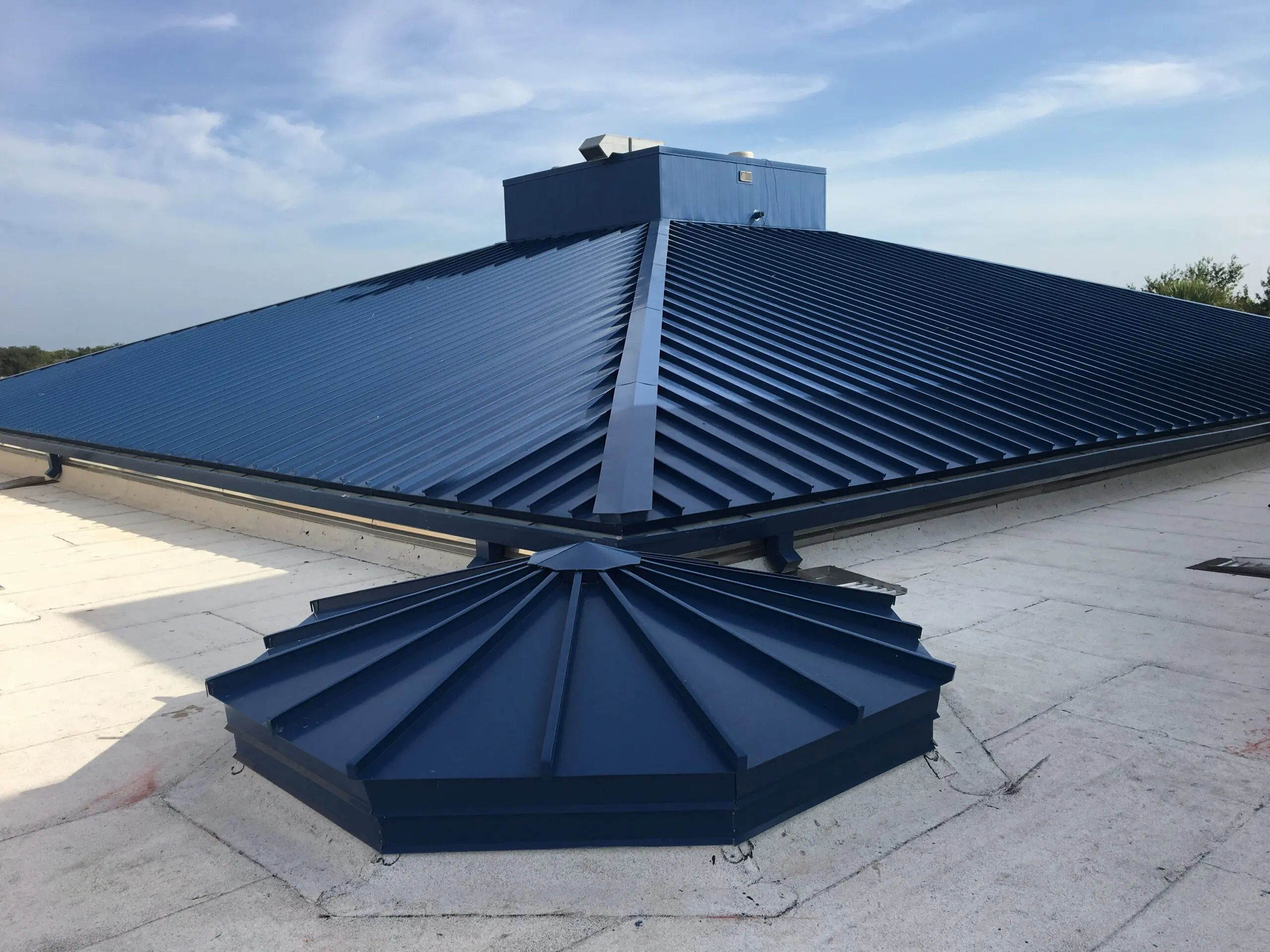
Concealed-fastener standing seam sheds New Hampshire snow cleanly and lasts for decades, a strong fit for Manchester institutional and steep-slope commercial buildings.
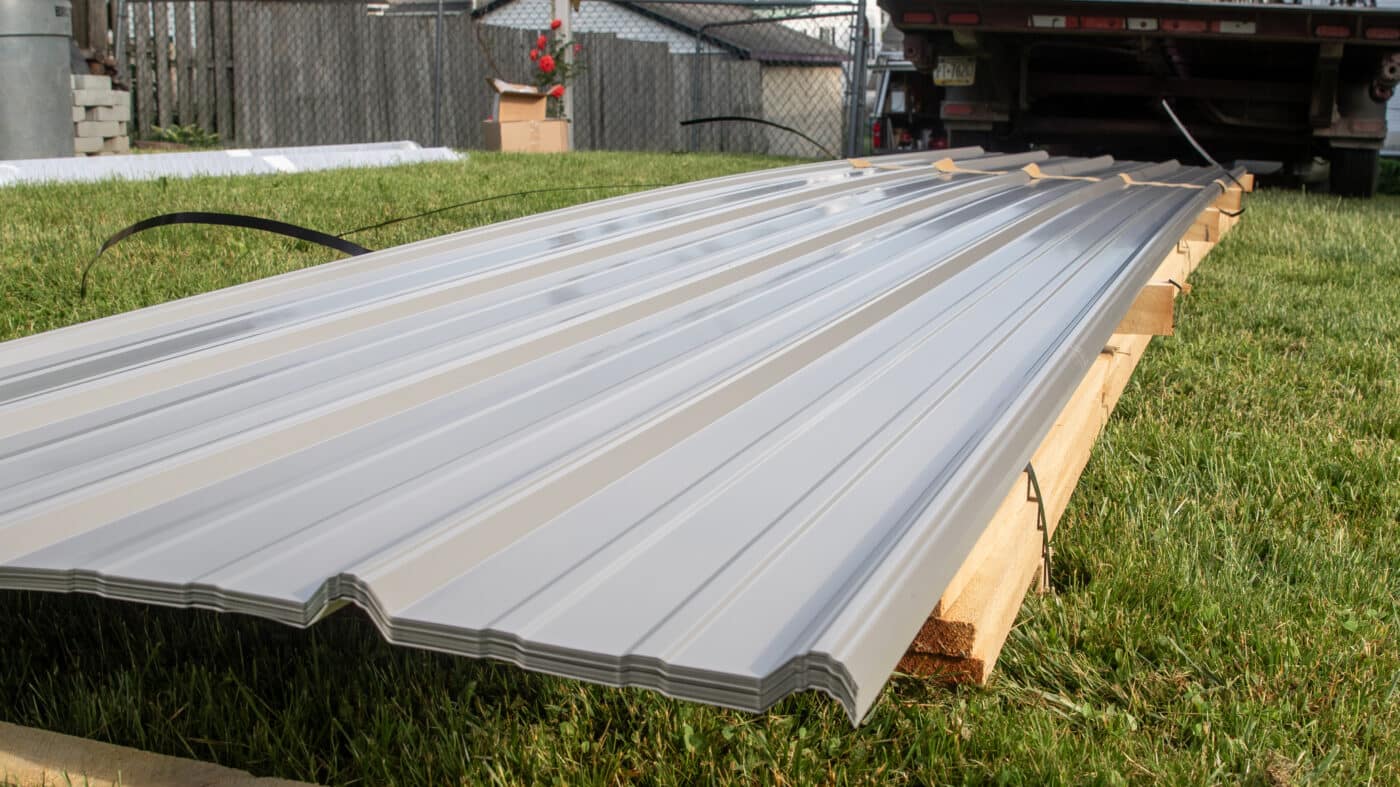
Exposed-fastener R-panel is a cost-effective metal option for New Hampshire barns, agricultural, and light-industrial buildings, shedding snow well when the slope and fastener pattern are detailed right.
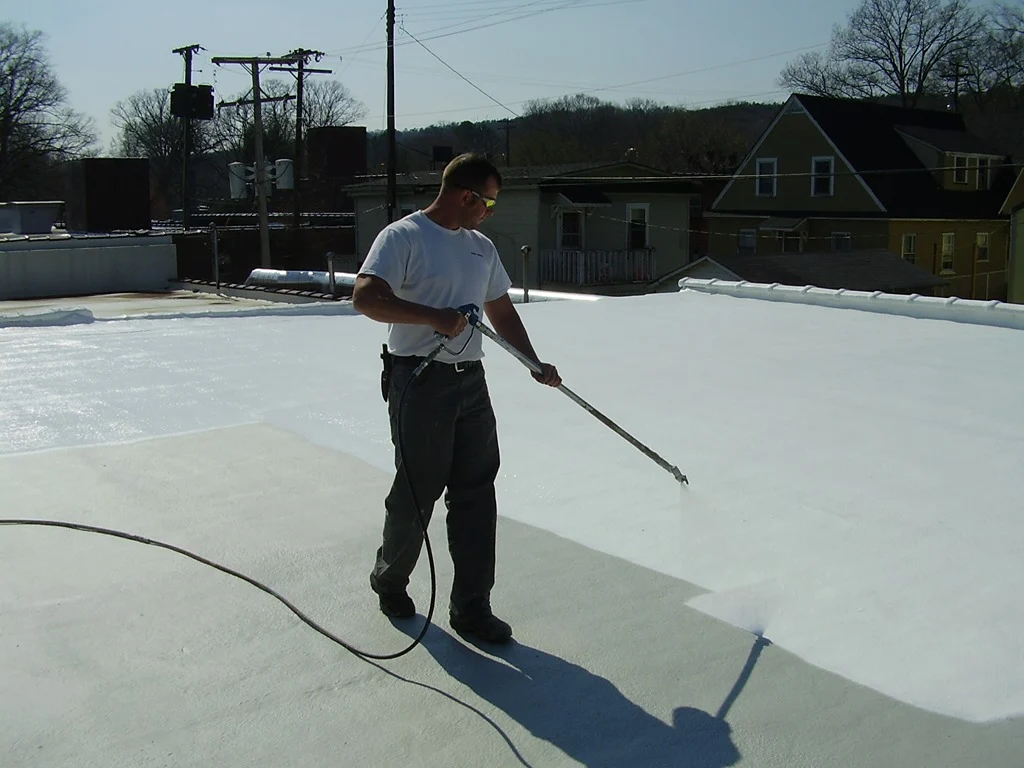
Seamless spray foam adds insulation and a watertight skin in one pass, sealing the irregular penetrations and parapets common on older Manchester low-slope roofs while cutting heat loss.
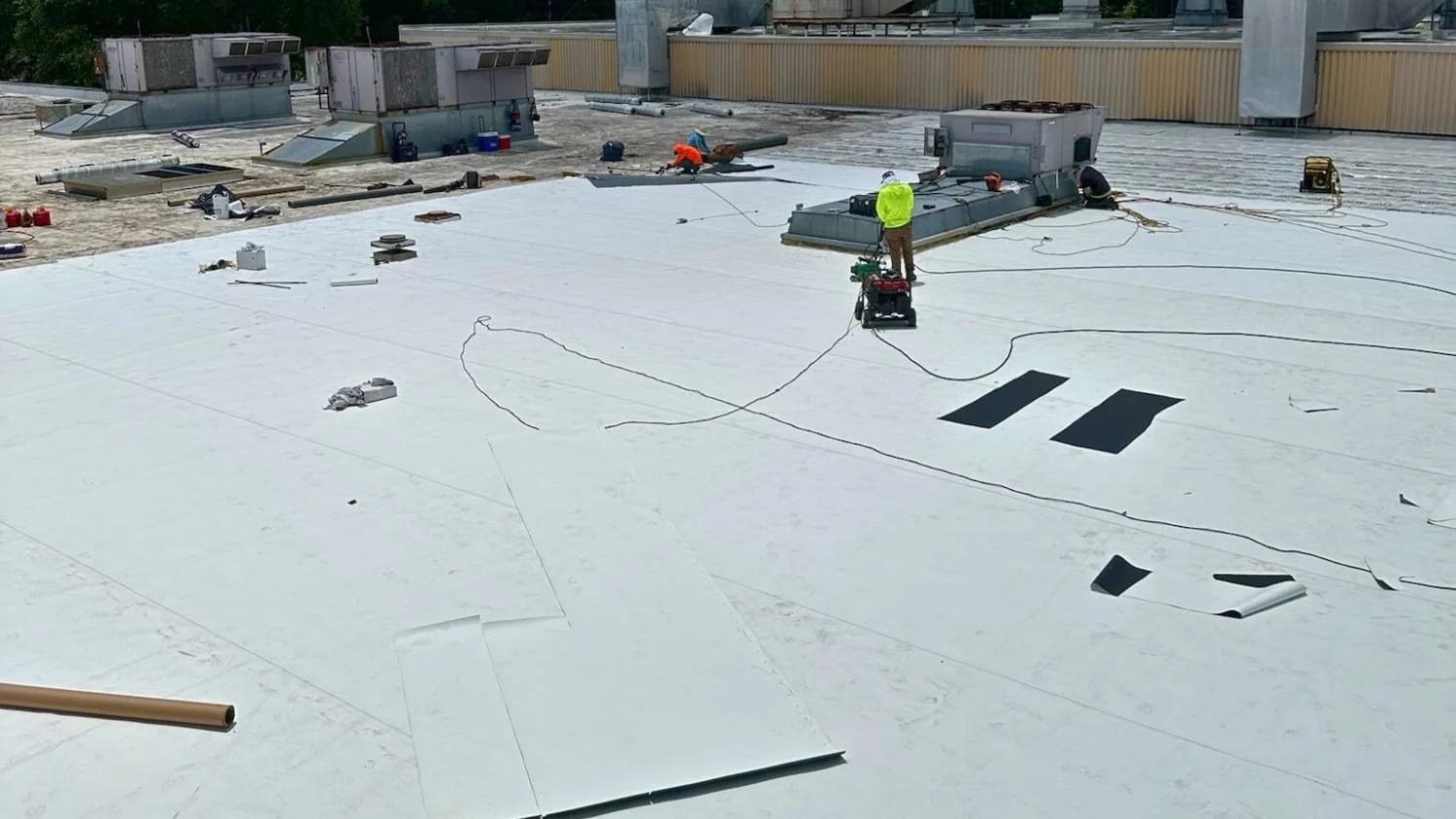
Rubber EPDM membranes flex through New England's wide temperature swings, which is why they hold up well on Manchester warehouses and low-slope commercial roofs facing repeated freeze-thaw.
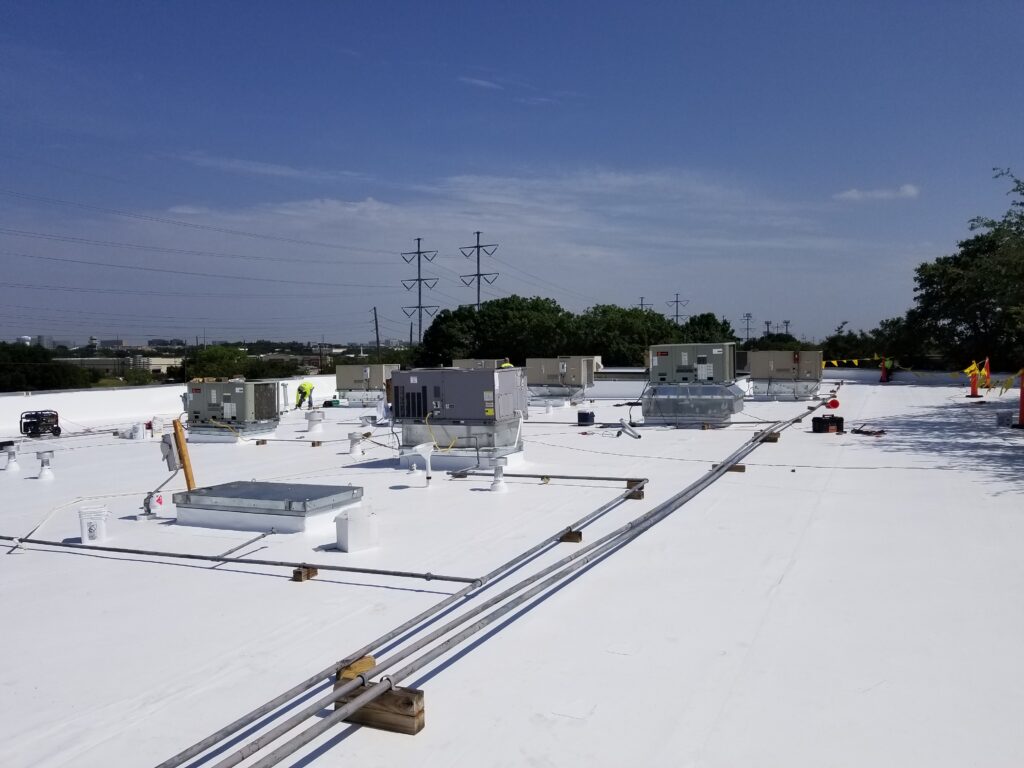
Hot-air-welded PVC gives a fully sealed, chemical-resistant membrane that suits Manchester restaurants and plants, with seams that hold tight through repeated freeze-thaw and ponding.
Reflective acrylic and silicone coatings give Manchester building owners a way to extend a sound single-ply or metal deck a few more winters before a full tear-off, sealing pinholes and seams against meltwater.
A documented walk of your roof, flashings, and drains tells you where a Merrimack Valley building actually stands before budget season, not after the next thaw finds the weak seam.
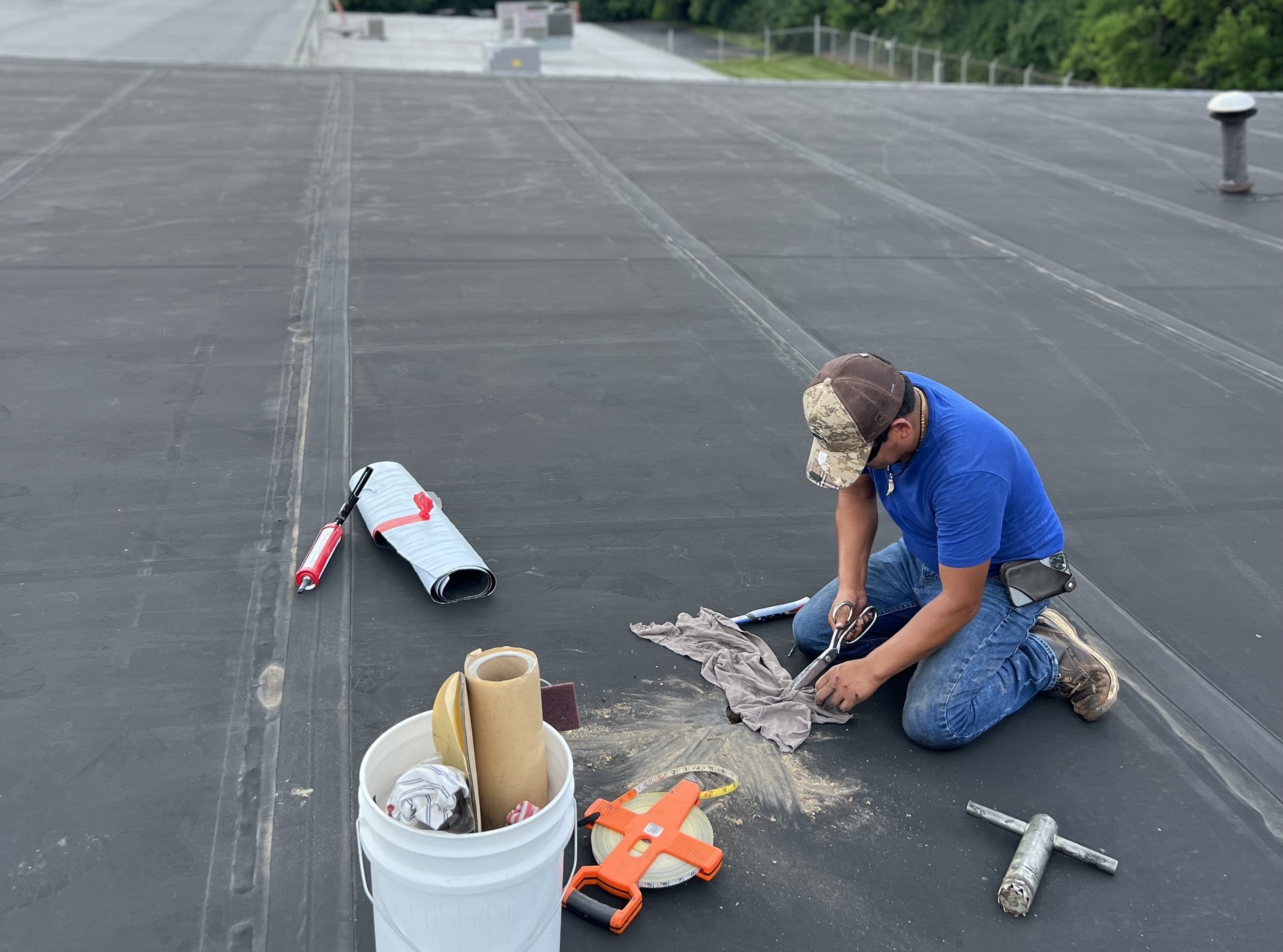
A documented maintenance program keeps drains clear and flashings tight ahead of each Manchester snow season, turning small fixes into avoided tear-offs and a longer roof life.
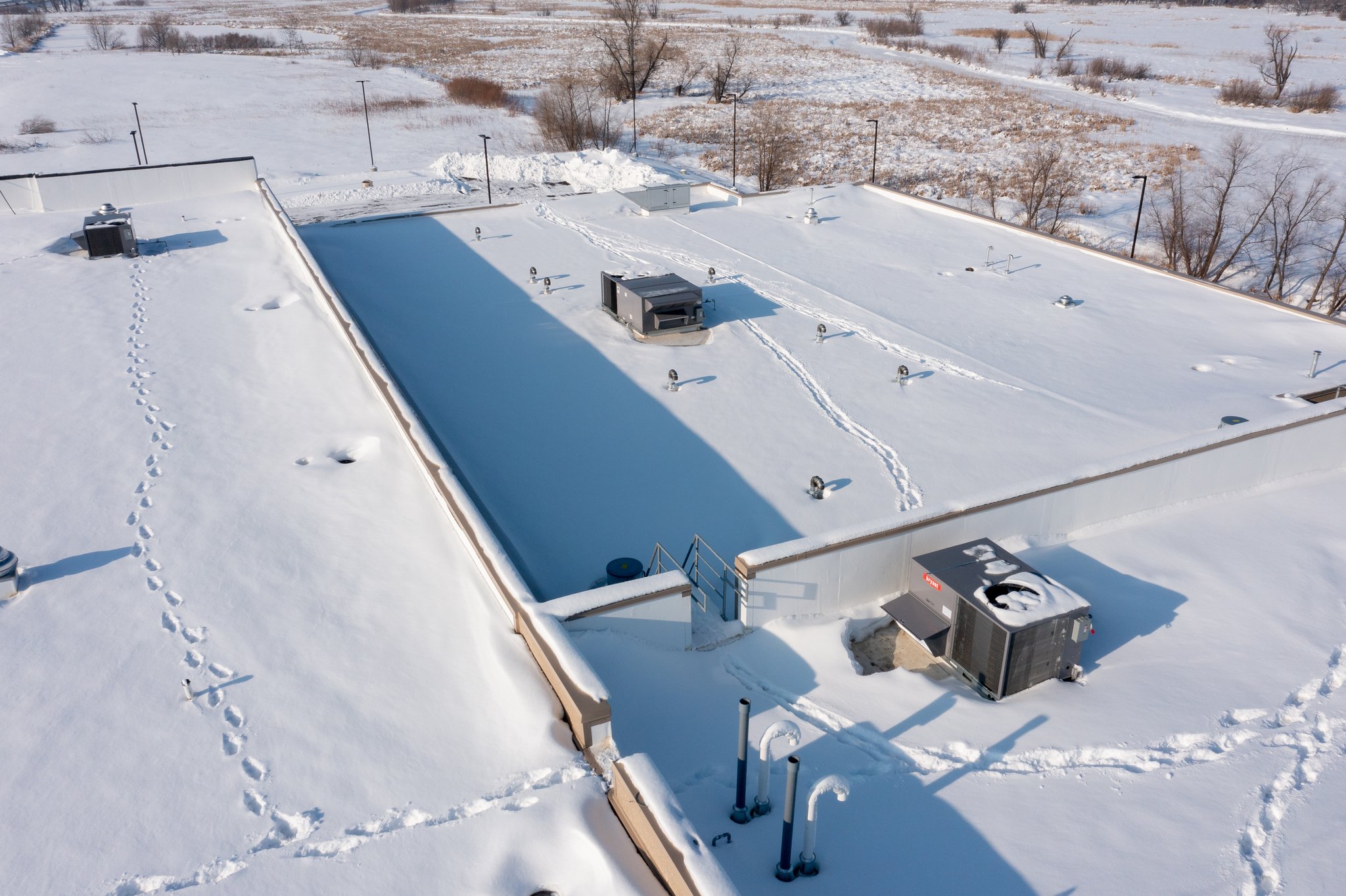
Scheduled inspections and minor repairs catch the failing seam before it becomes a winter emergency, stretching the life of a New Hampshire commercial roof and protecting its warranty.
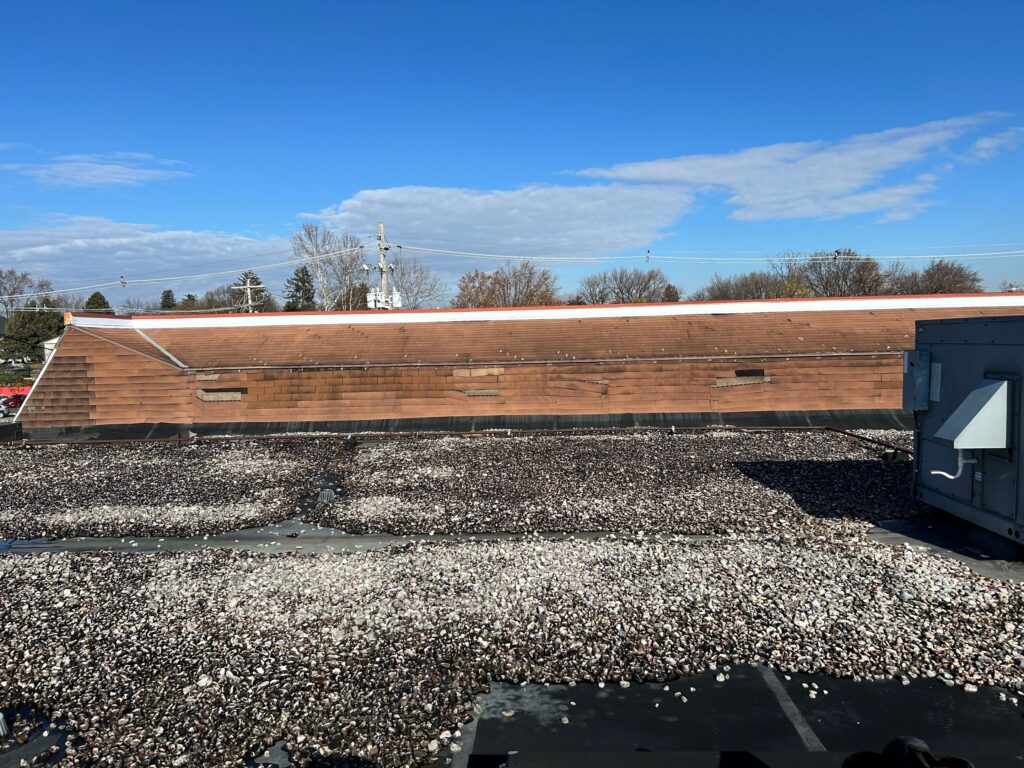
After a storm tears open a deck, a fast tarp-and-dry-in buys a Manchester building dry time, stopping water before it travels through ceilings during the next freeze-thaw swing.
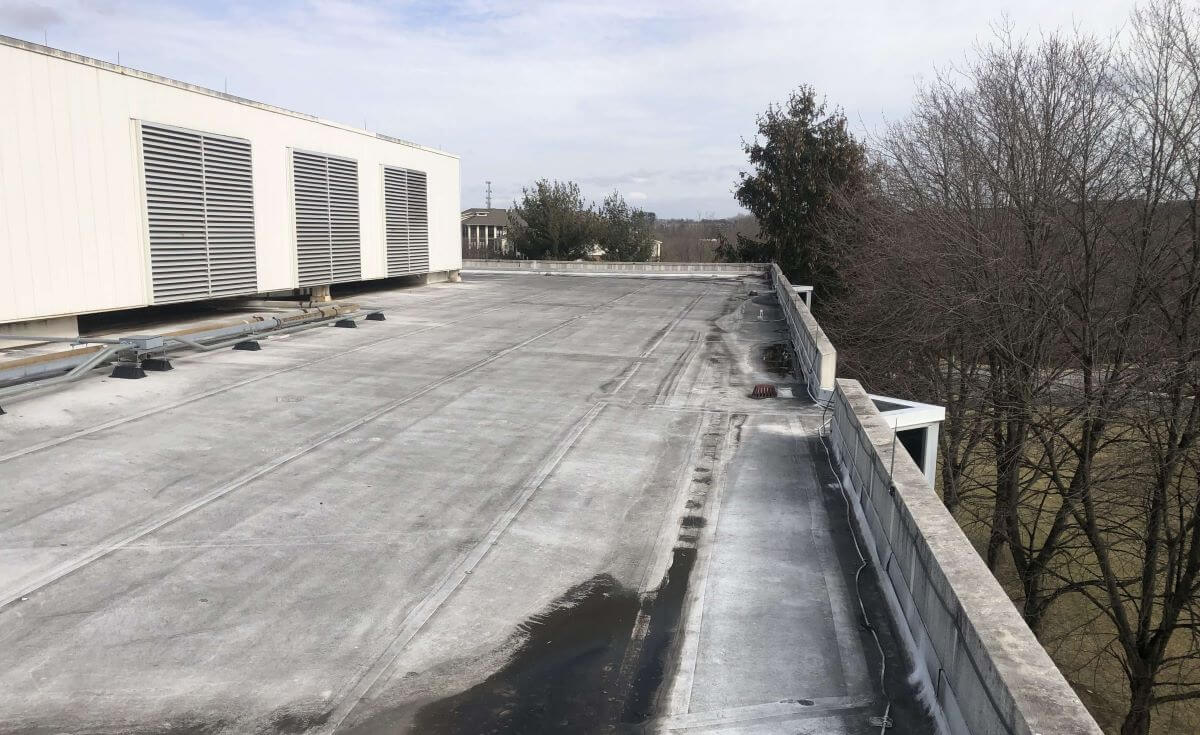
If the existing deck is dry and structurally sound, a single recover layer can postpone a costly tear-off, an economical path for Manchester buildings carrying one weathered membrane.

Adding insulation or recovery board during a re-roof lifts a Manchester building toward current energy code and gives the new membrane a sound, dry substrate after years of freeze-thaw movement.

SBS modified bitumen stays flexible in deep cold, so its rubberized plies resist cracking through Manchester's sub-zero stretches far better than brittle, aging built-up roofs.
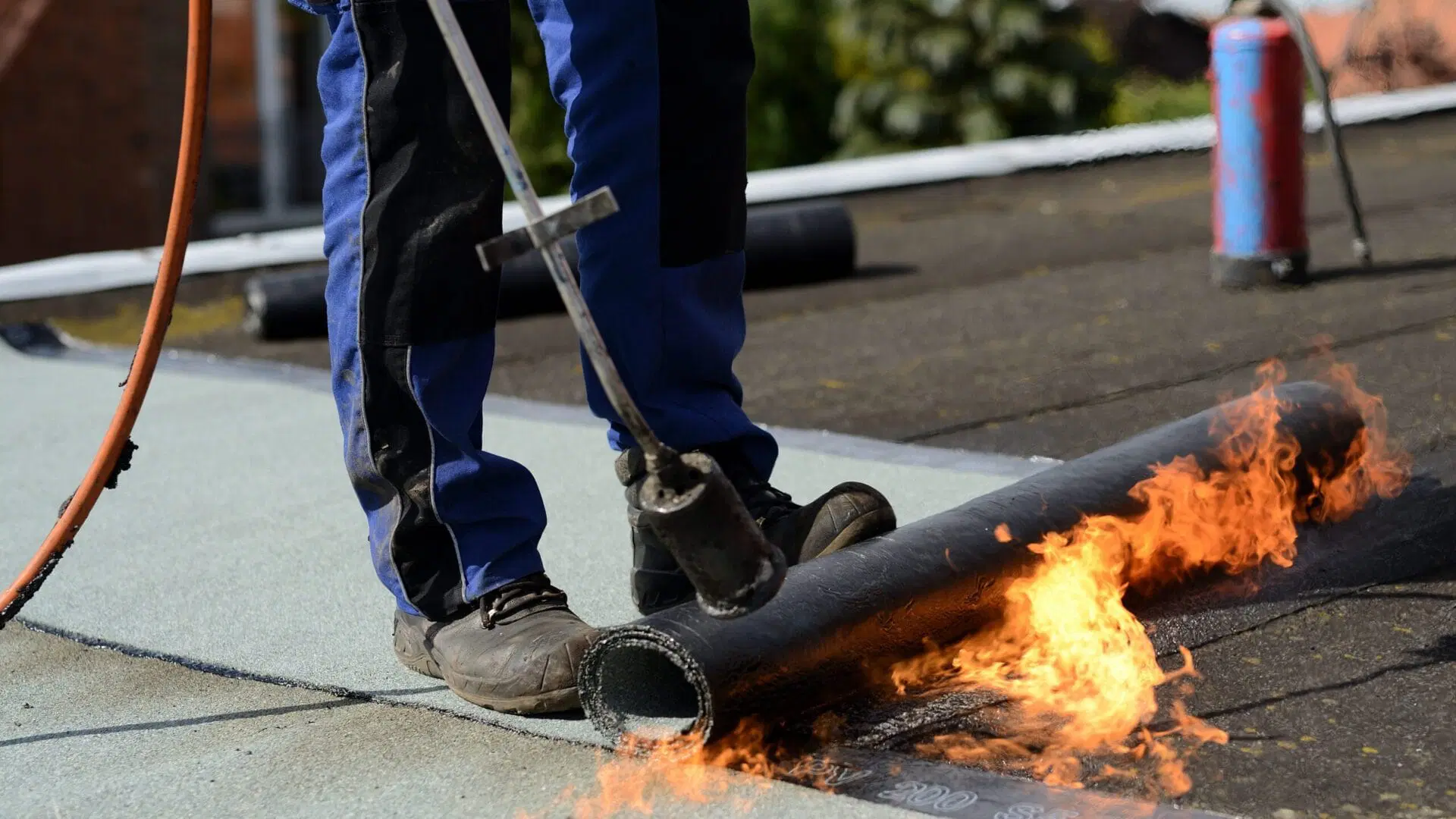
Torch-applied APP modified bitumen builds a tough, granulated surface suited to New Hampshire's harsh sun-and-snow cycling, often layered over older asphalt decks on Manchester low-slope buildings.
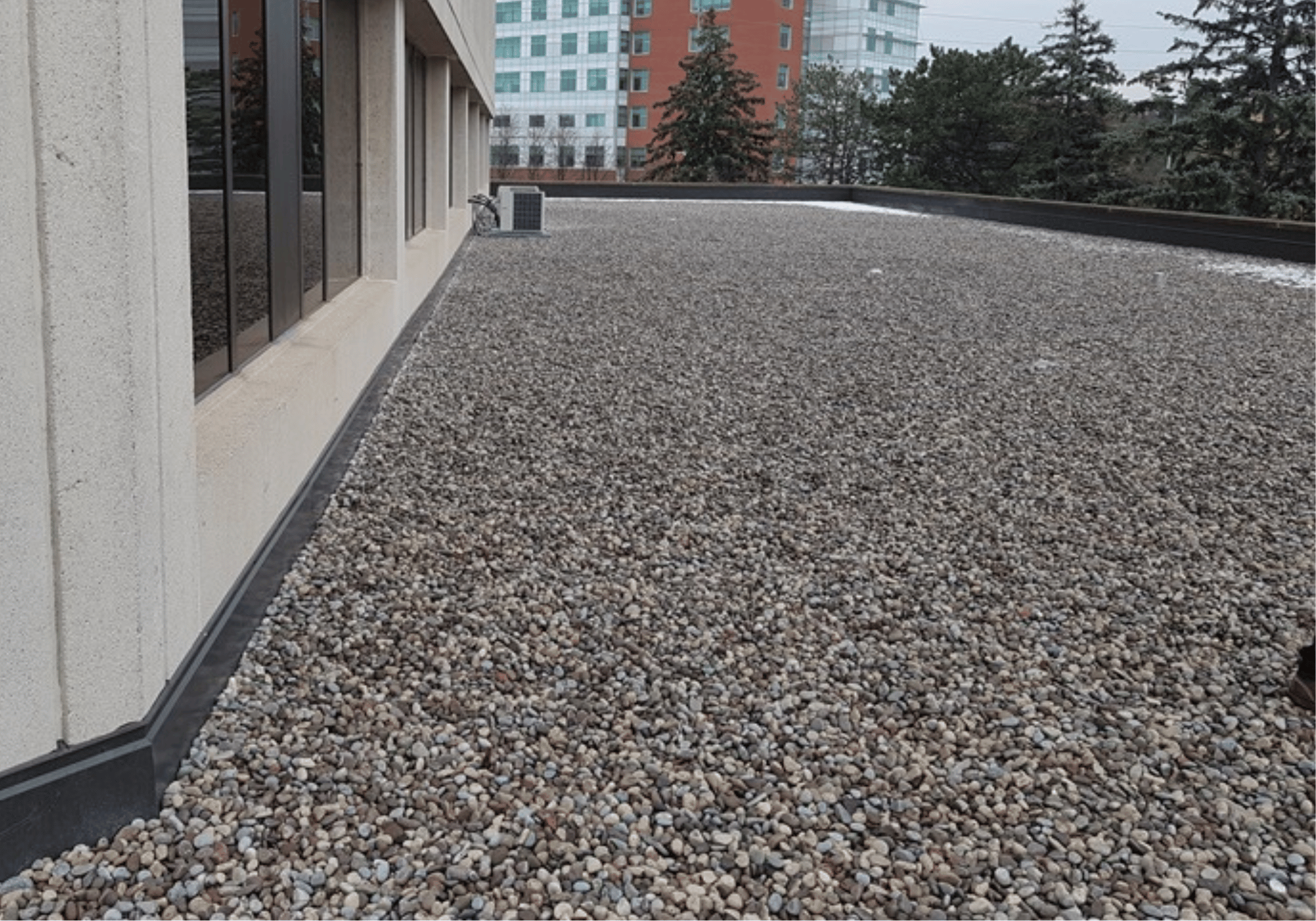
Multi-ply built-up roofing remains a dependable choice on older Manchester mill and warehouse decks, where its layered asphalt build stands up to ice-dam loading and decades of freeze-thaw cycling.
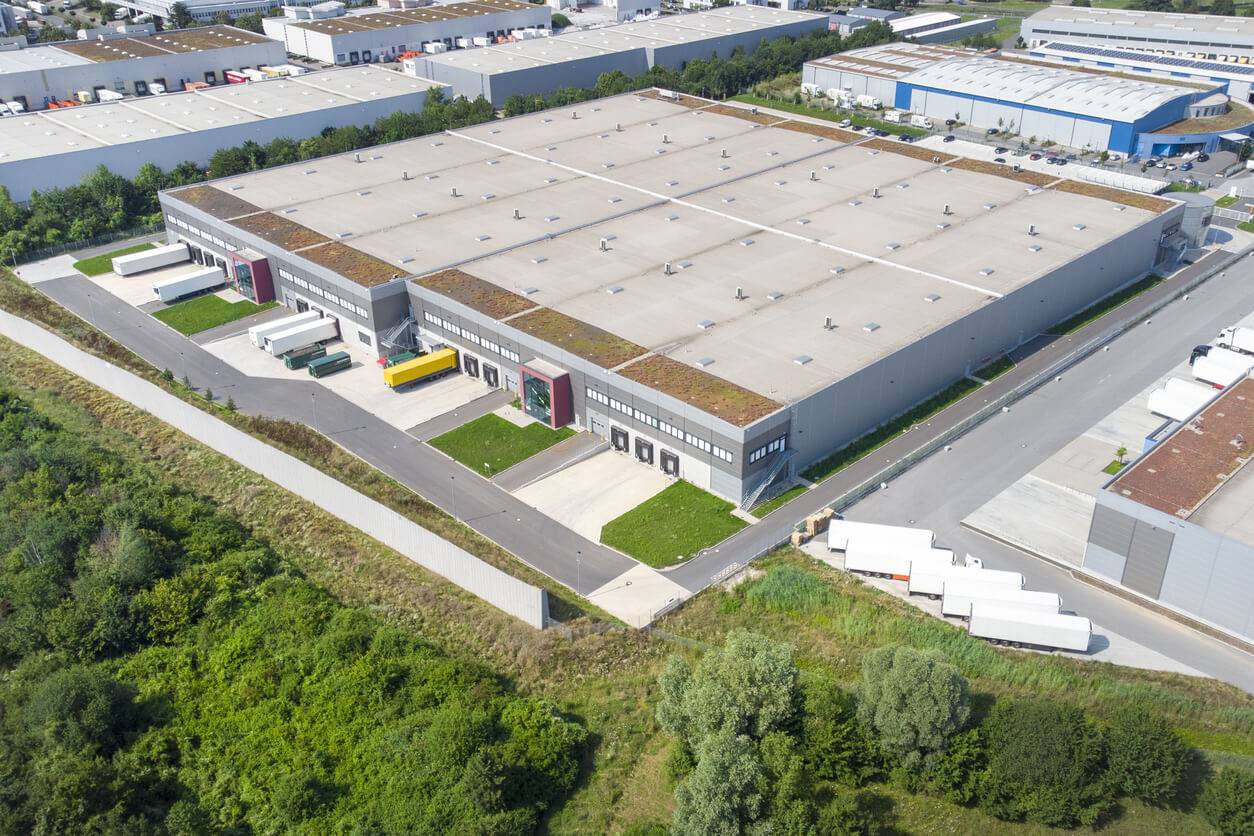
Process exhaust, rooftop equipment, and heavy foot traffic make industrial roofs in the Manchester area their own problem; we plan around penetrations, chemical exposure, and winter access.
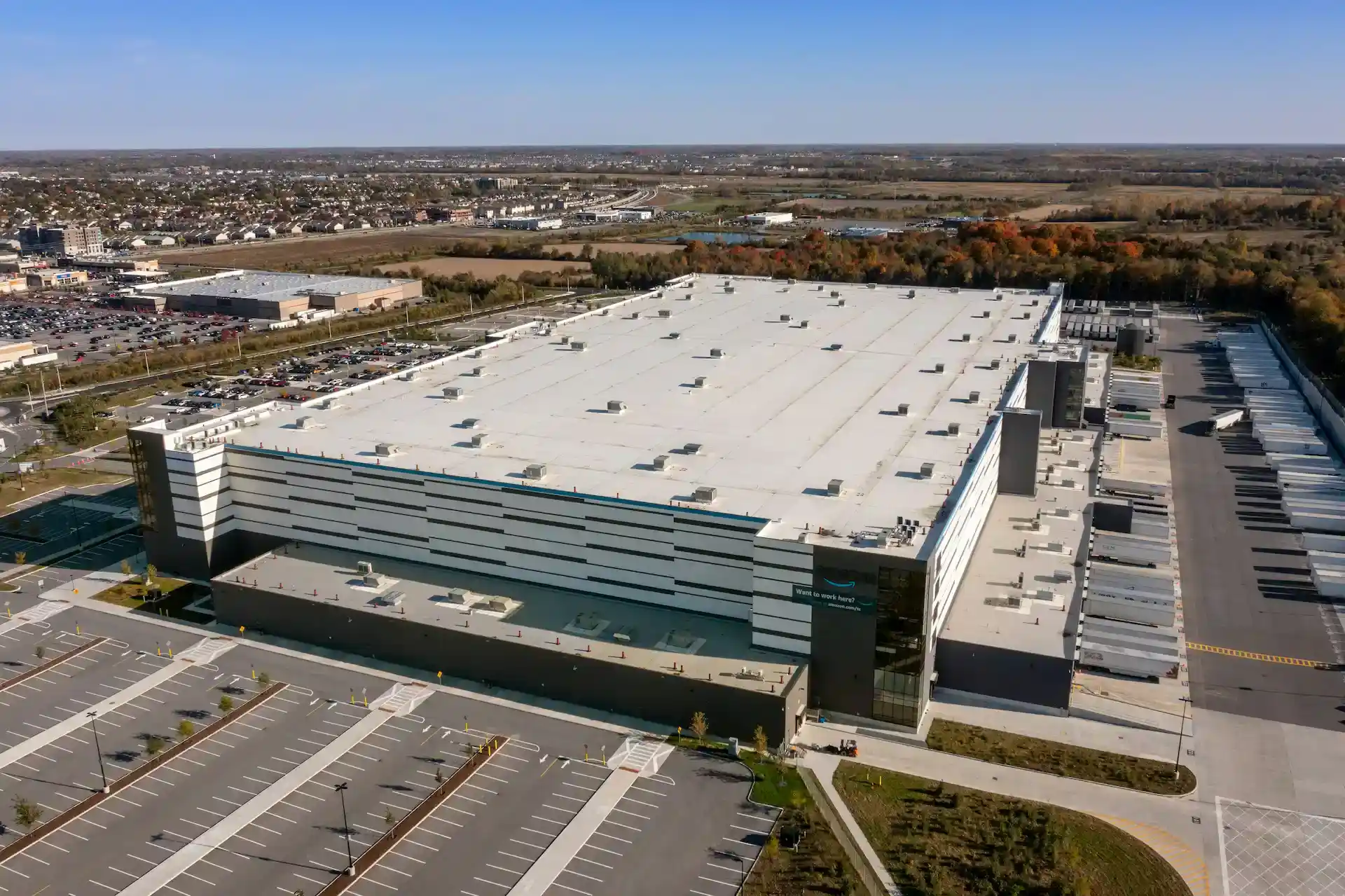
Large warehouse and distribution roofs in the Manchester area mean acres of low-slope membrane; we focus on drainage, seam integrity, and snow loading that protect goods stored below.
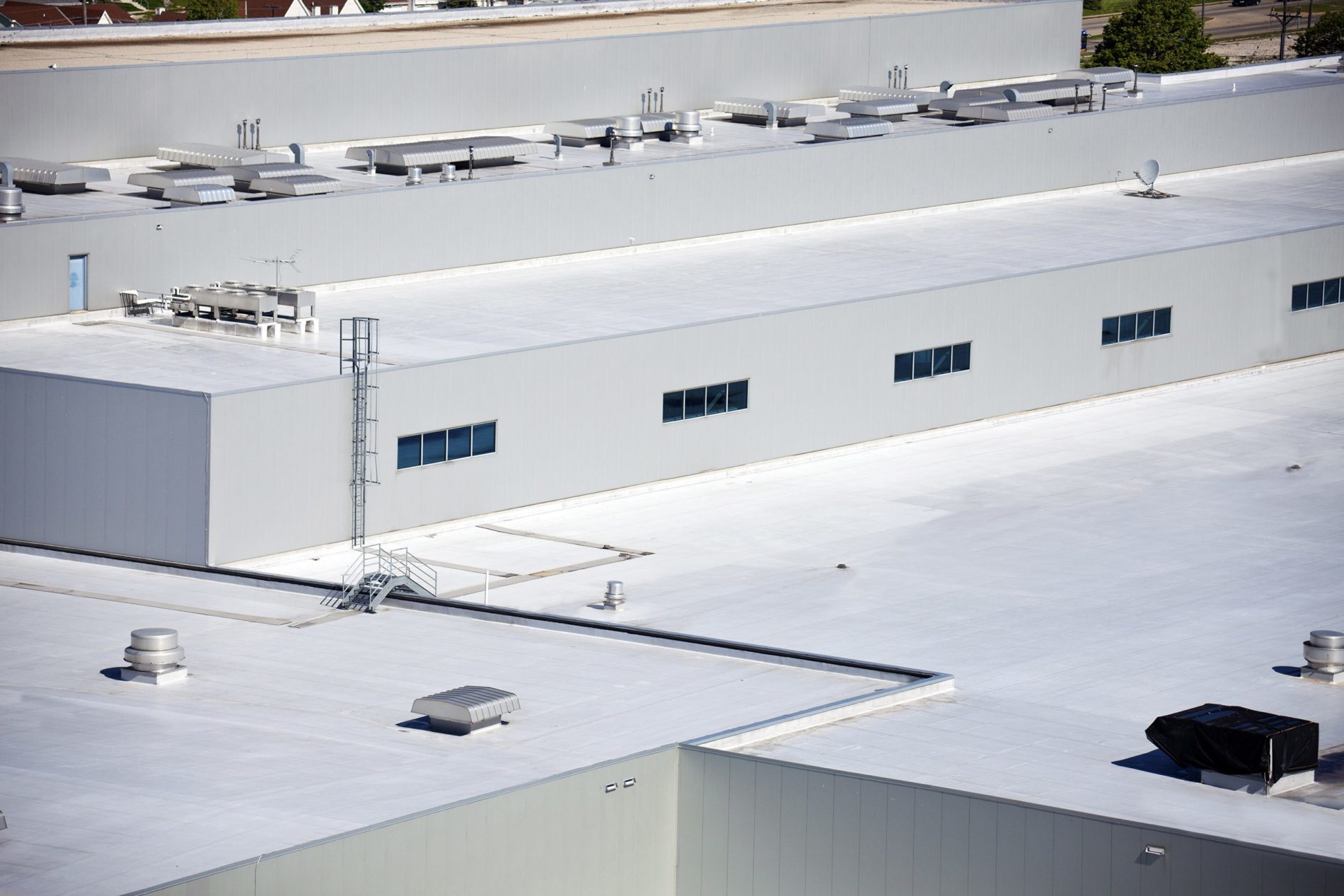
Production can't stop for a roof, so manufacturing scopes in the Manchester area protect machinery and inventory below while crews work in tight windows around shifts and rooftop equipment.
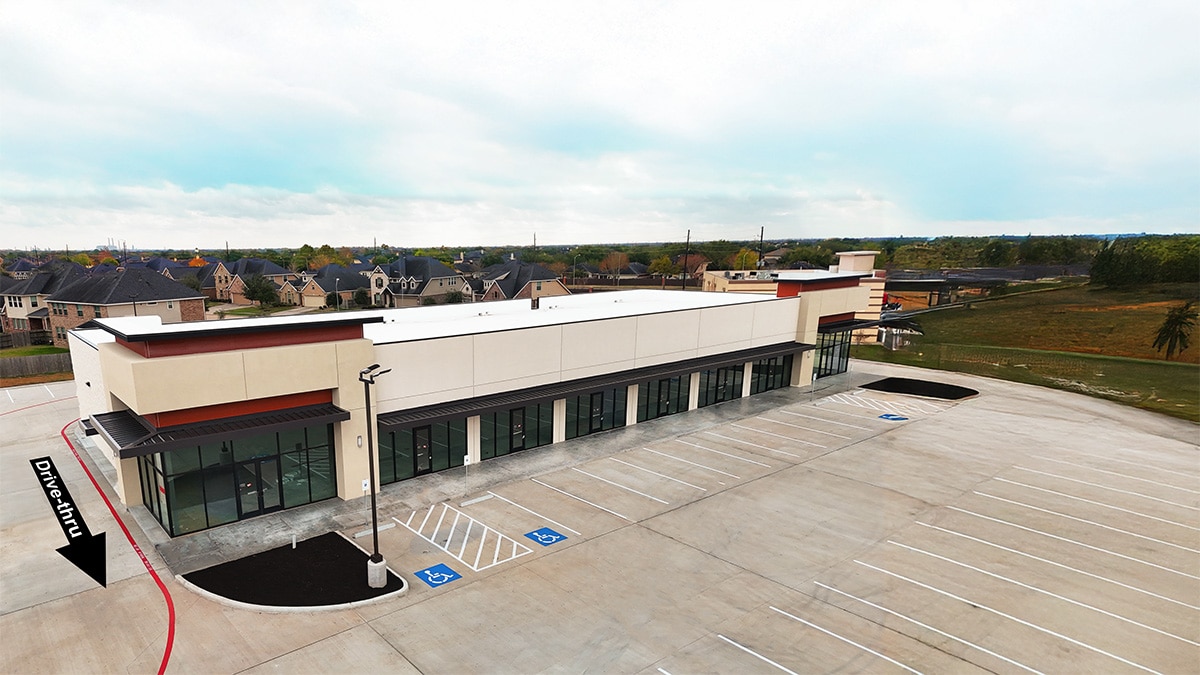
Storefronts and shopping centers stay open during the work, with tear-off and crane lifts scheduled around shoppers and inventory kept dry through every step of a New Hampshire winter.
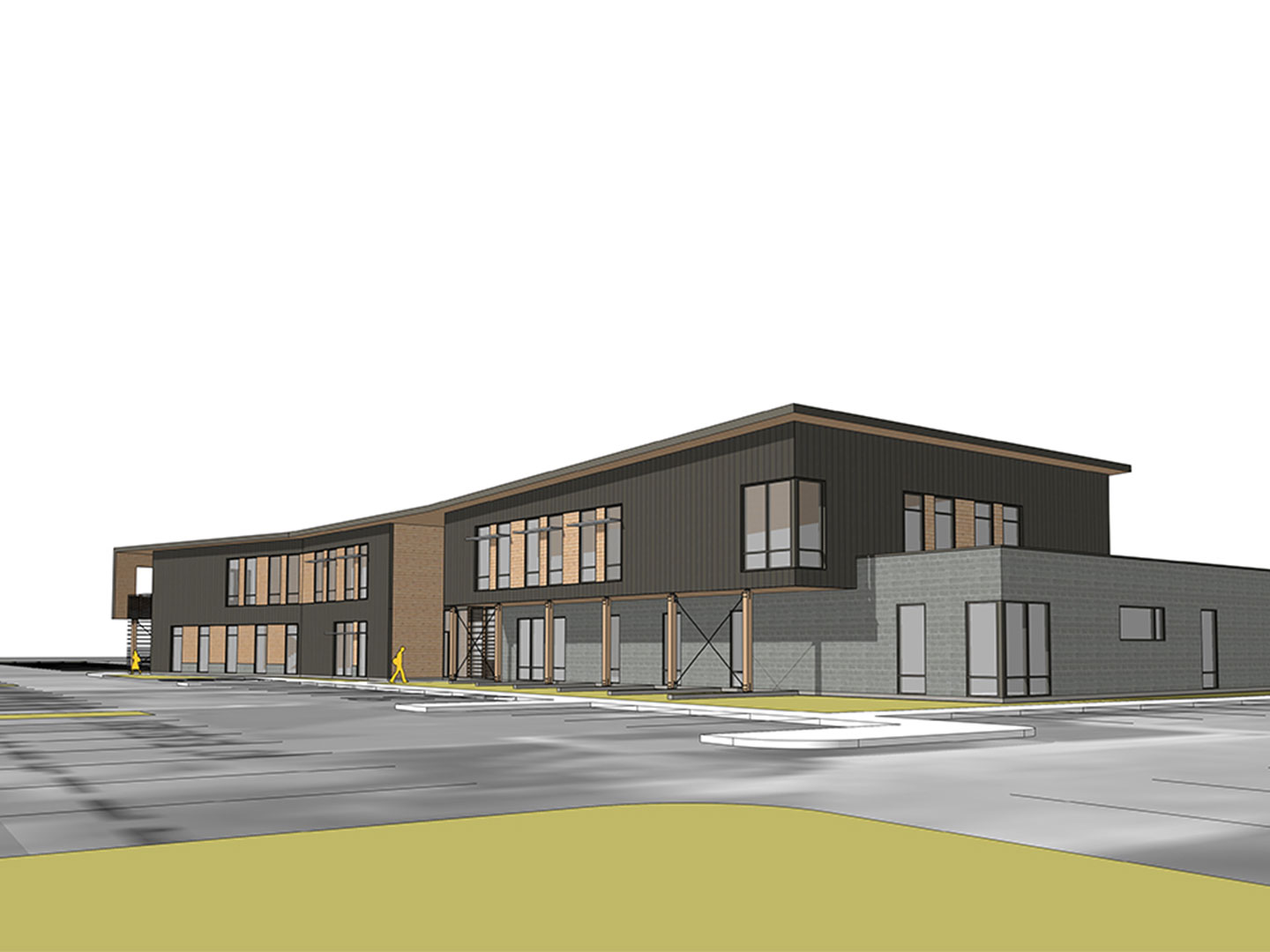
Clinics and surgery centers can't tolerate dust, odor, or a roof leak over an OR; work is staged off-hours with infection-control barriers and watertight tie-offs each night.
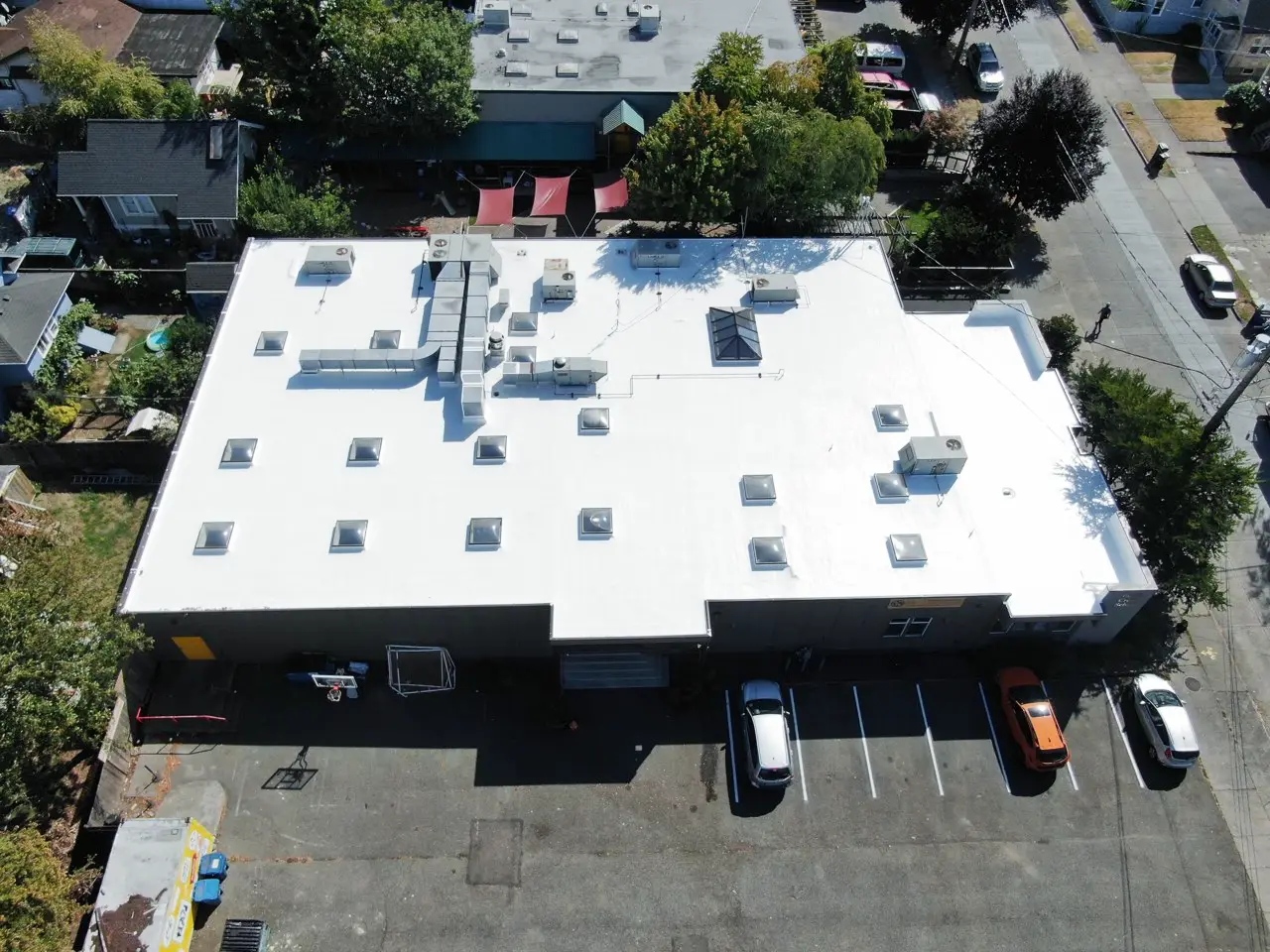
K-12 roof work in the Manchester area gets booked into summer break and around testing, keeping classrooms dry and crews off the roof while students are in the building.
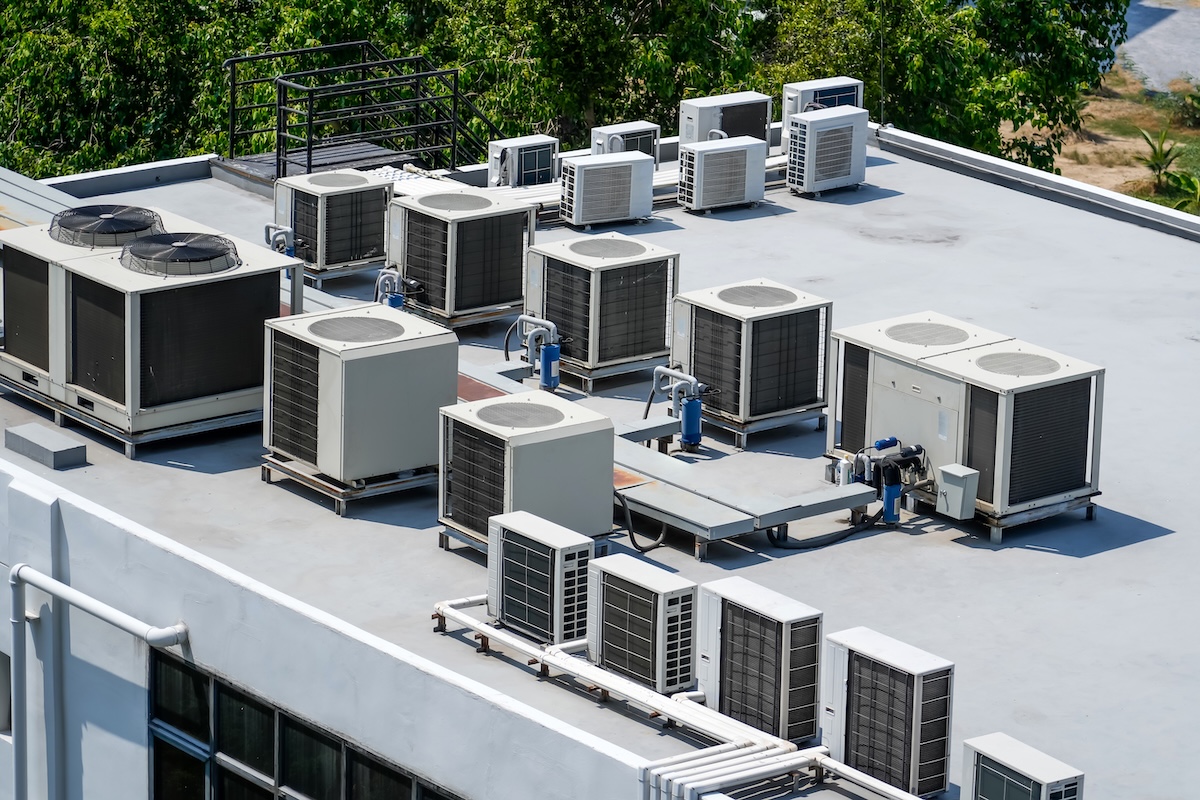
Office tenants notice the smallest ceiling stain; low-slope office roofs in the Manchester market get detailed drainage and membrane work so a thaw never reaches the workspace below.
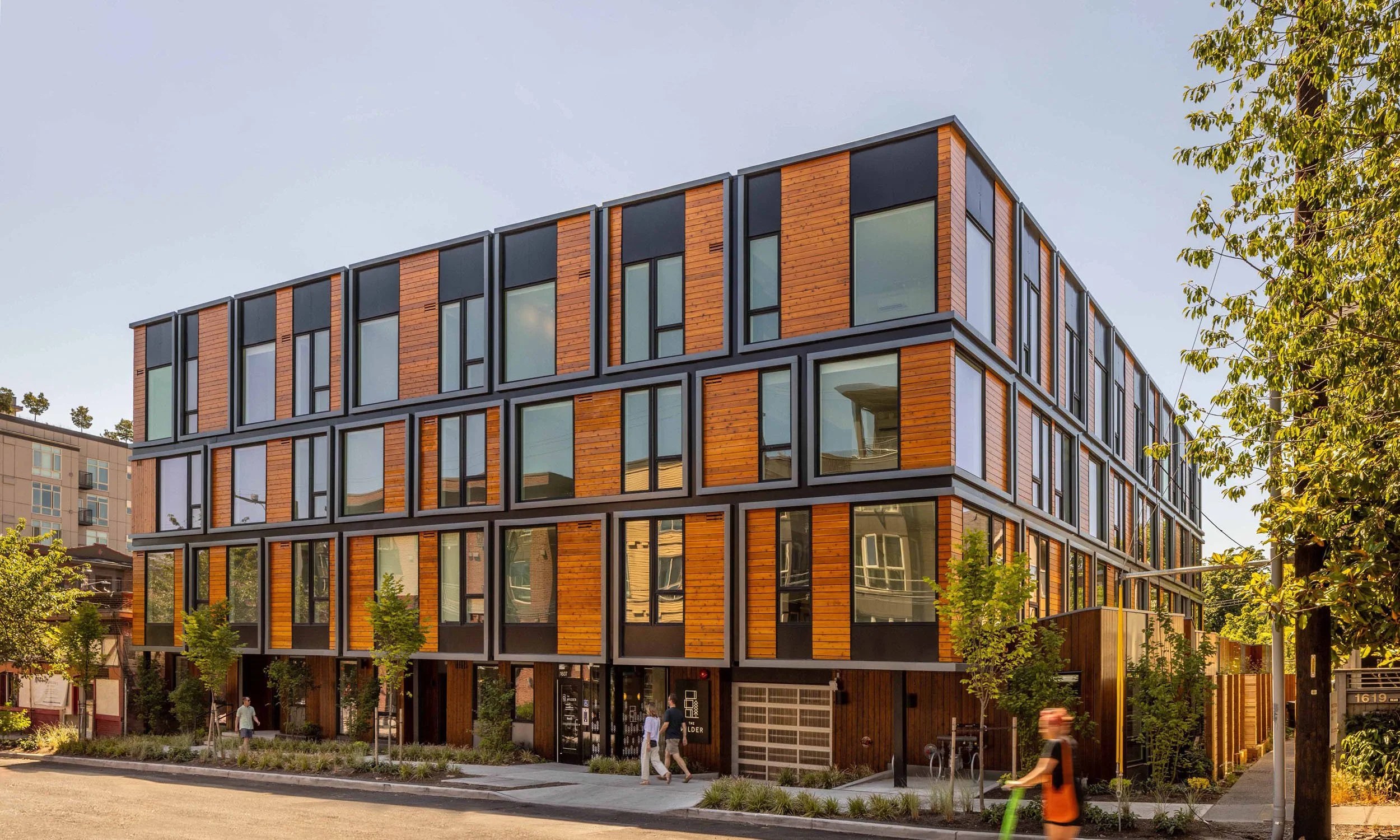
Apartment and condo roofs have to be re-done with residents in place; we sequence multifamily work around occupied units and keep every section dried-in against New Hampshire's wet winters.

Guest comfort and quiet drive every hotel roof scope, so noisy tear-off and crane work get sequenced around occupancy while exposed sections stay dried-in against New Hampshire weather.
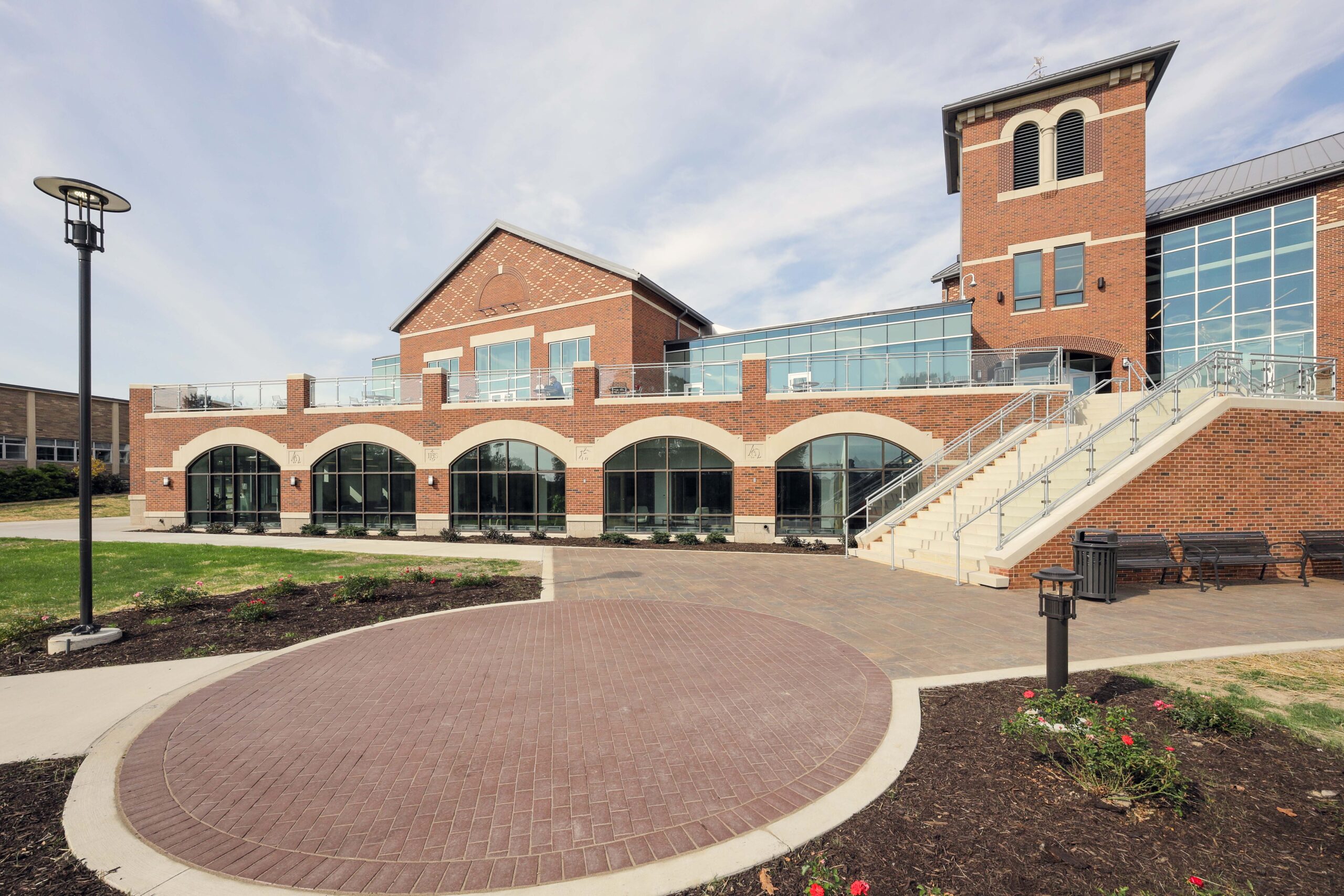
Campus roofs span everything from historic brick halls to modern flat-roofed labs; we coordinate around academic calendars and research operations across New Hampshire institutions.

Ground-floor retail under upper-floor apartments means a leak hits two tenants at once; mixed-use roofs in downtown Manchester get phased so businesses and residents stay dry throughout.
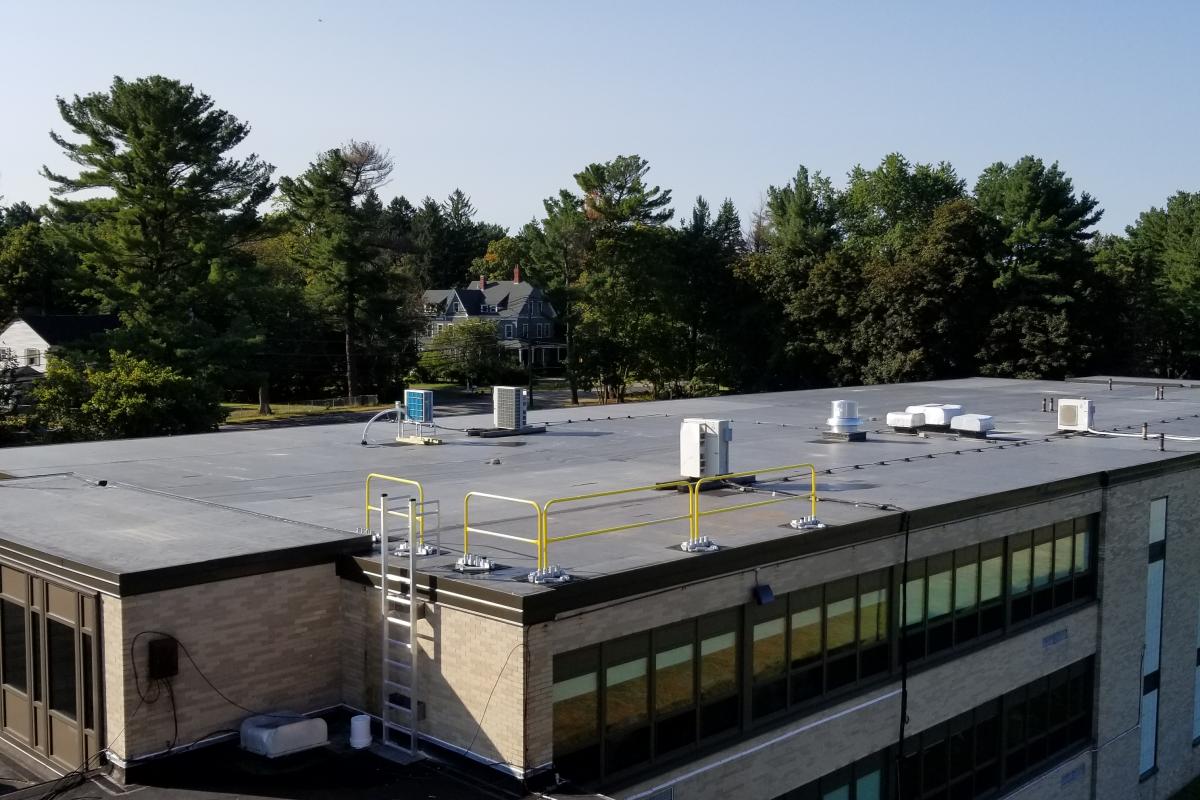
City and county facilities call for prevailing-wage compliance and minimal disruption; we scope municipal roofs around continuous public use and the snow loads central New Hampshire codes demand.
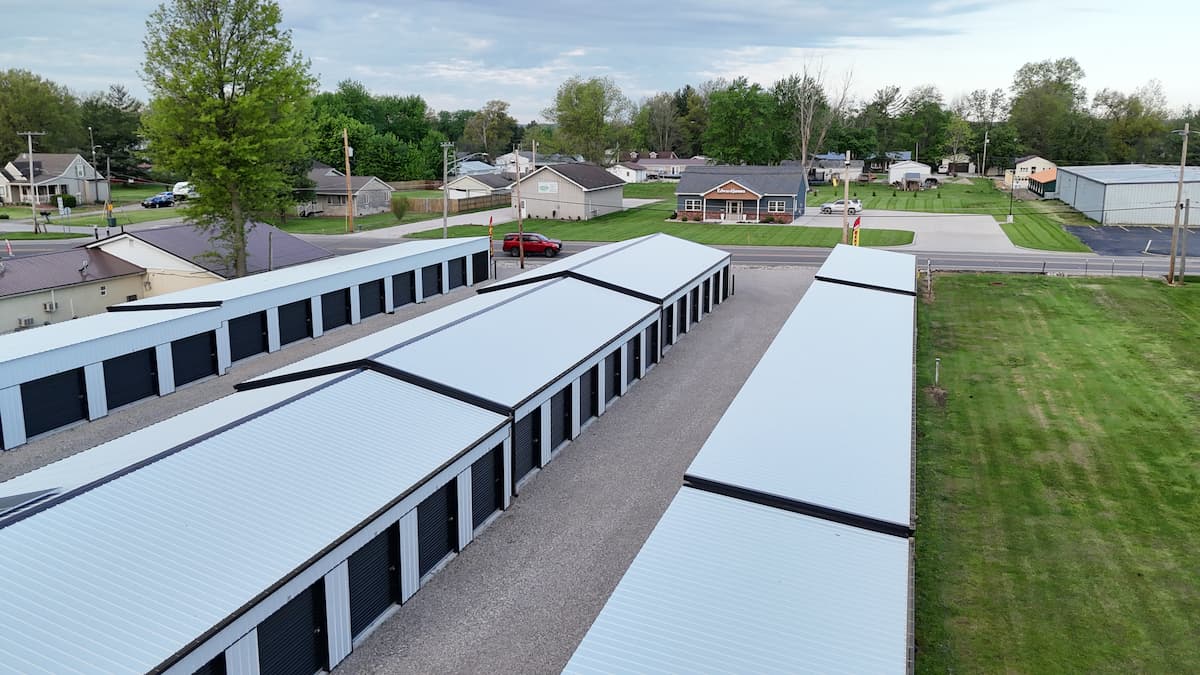
Rows of low-slope storage roofs trap snow between gables; keeping seams tight and valleys draining protects tenants' belongings through a long New Hampshire winter.
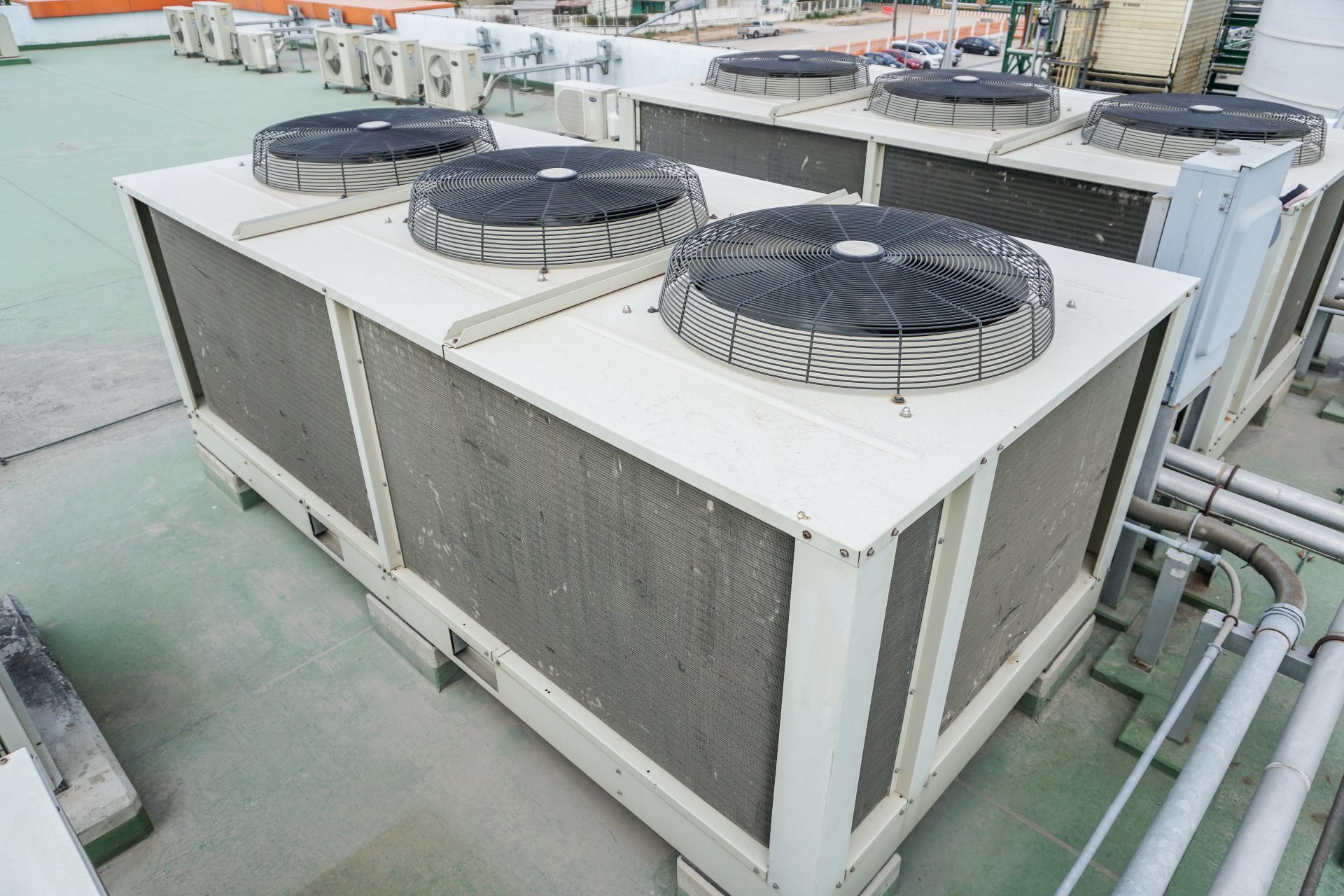
Kitchen grease and constant exhaust break down ordinary membranes fast; restaurant roofs in the Manchester area need grease-resistant systems and clear drains to handle melt and runoff.

Before panels go up on a Manchester rooftop, the membrane and attachments have to be solar-ready, so we coordinate roof condition and mounting to avoid leaks under a 25-year array.
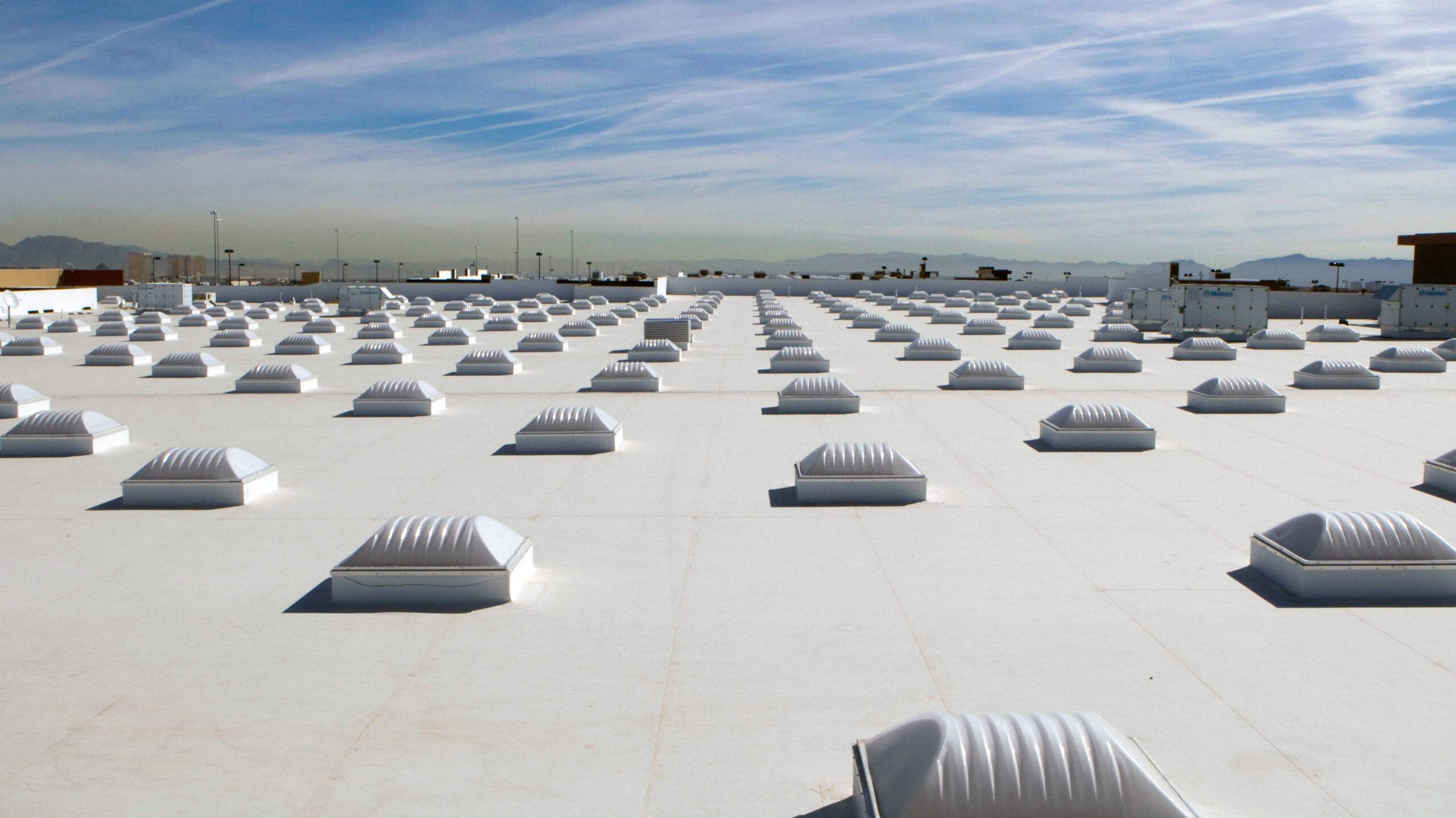
Cool-roof membranes cut summer cooling load on Manchester offices and retail, and pairing the right reflectivity with added insulation also helps hold heat in through New Hampshire's long winters.
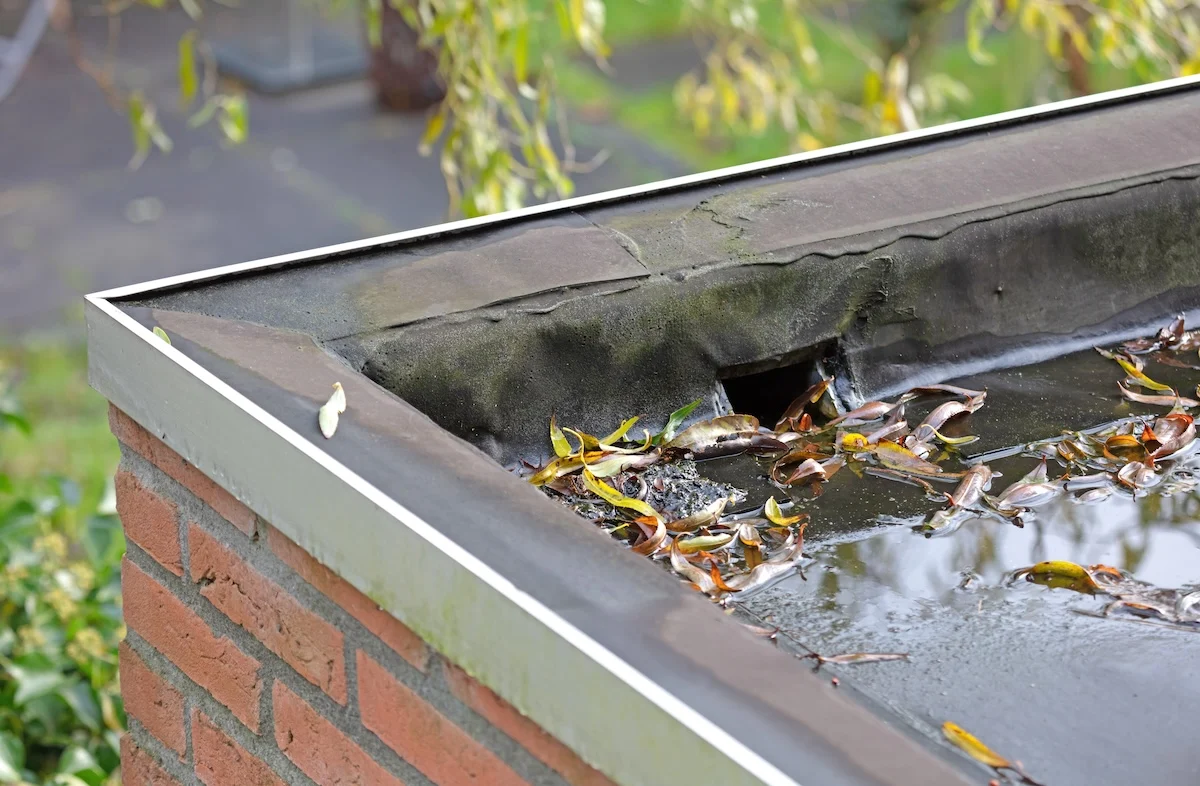
When drains and scuppers clog, meltwater ponds and freezes, overloading a Manchester roof; clearing and upsizing them keeps spring thaw and storm runoff moving off the deck.
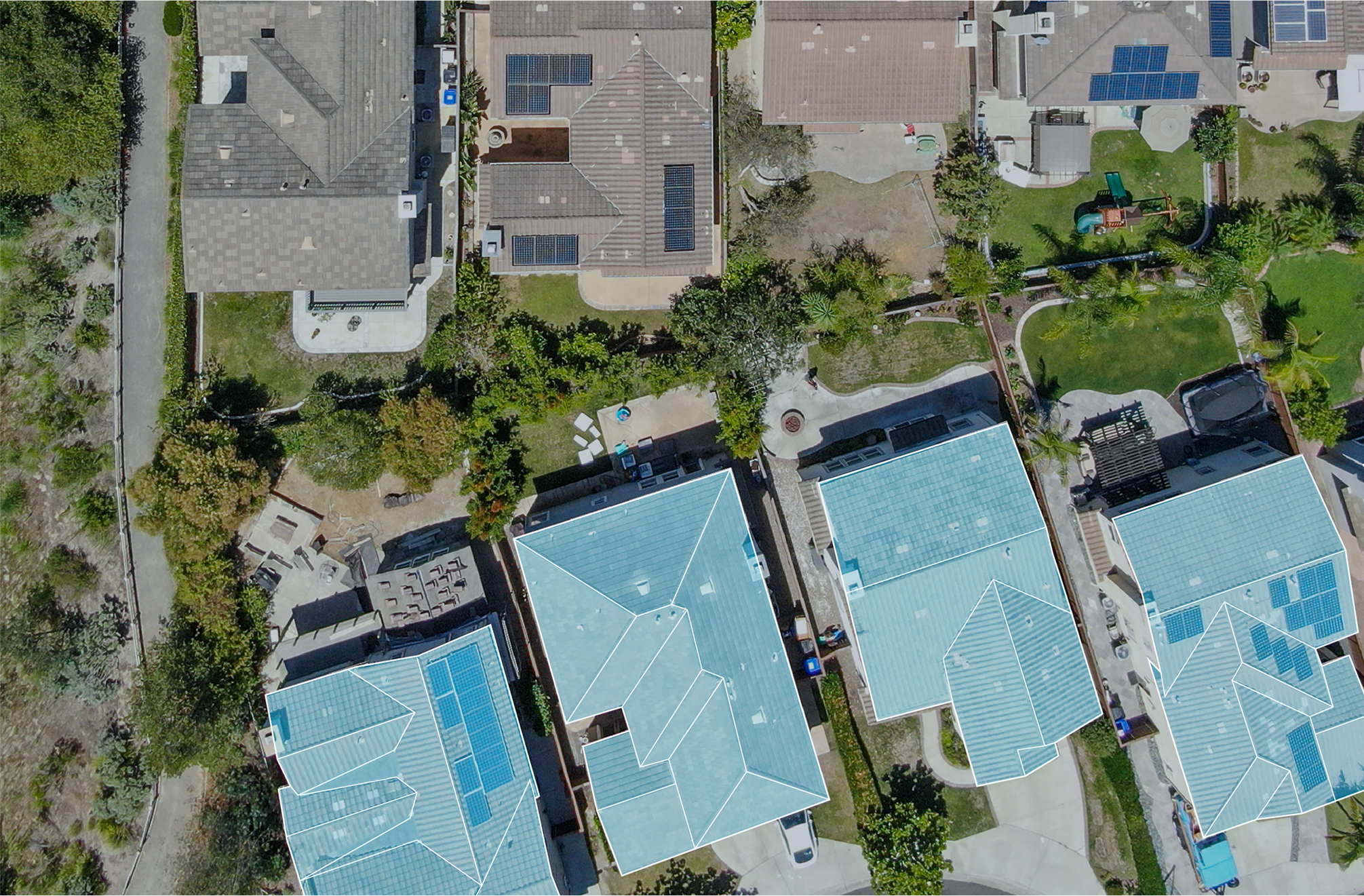
Aerial and infrared imaging lets us survey large Manchester rooftops and steep church spires safely, flagging wet insulation and standing water without crews walking a snow-glazed deck.
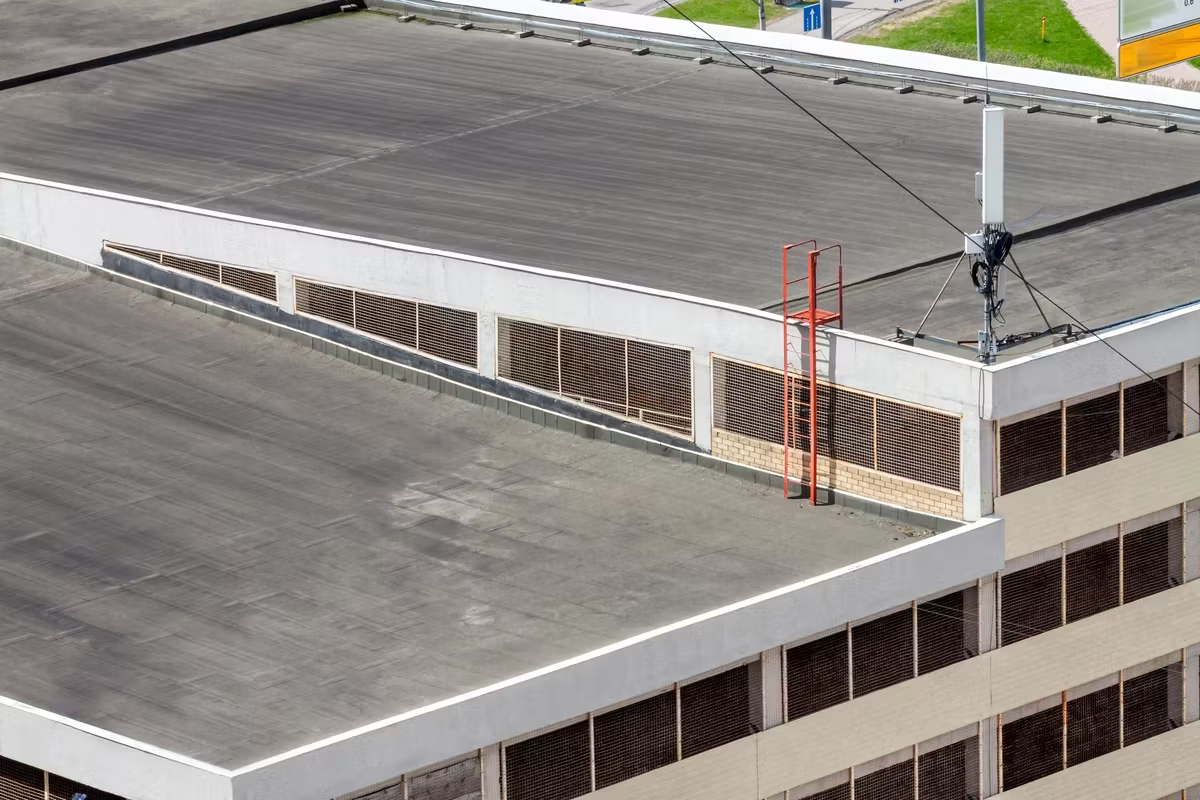
Storm and ice-dam claims move faster with proper documentation; we photograph the damage, scope the repair, and speak the carrier's language so a New Hampshire owner isn't left guessing.
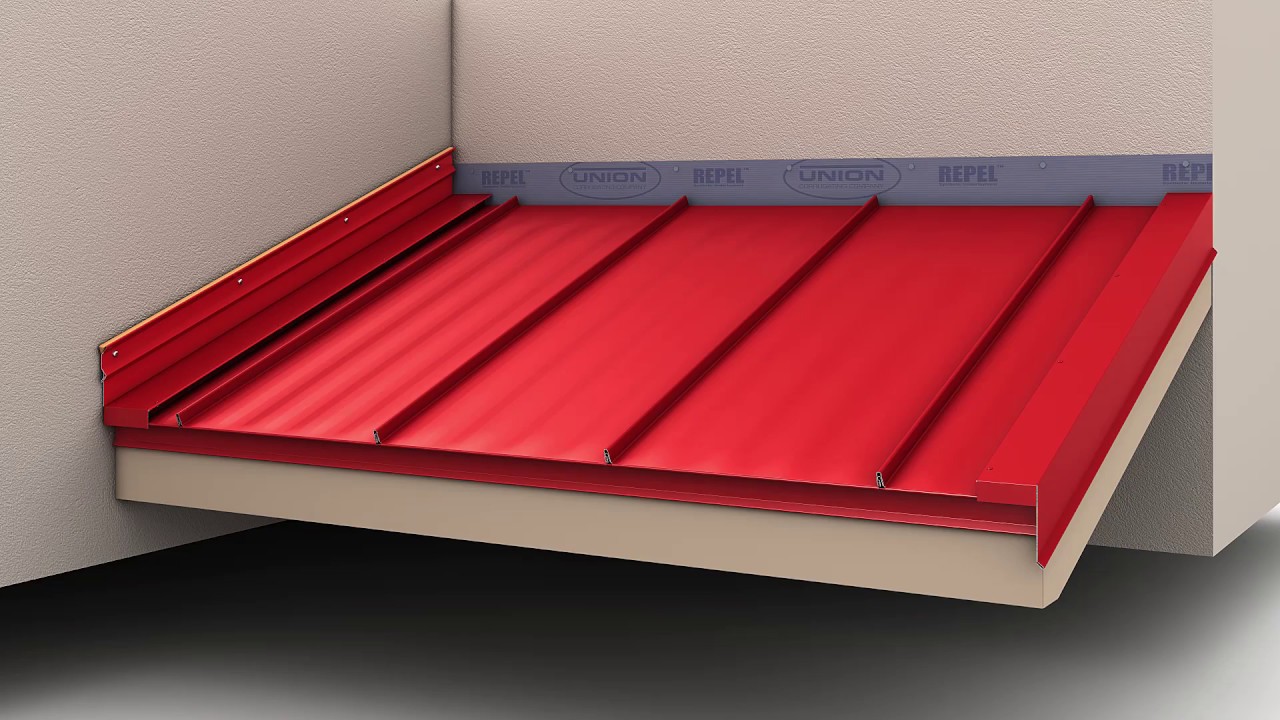
Most roof leaks start at a penetration, not the field; re-flashing skylights, curbs, and pipes seals the exact spots where Manchester ice and wind-driven rain find their way in.
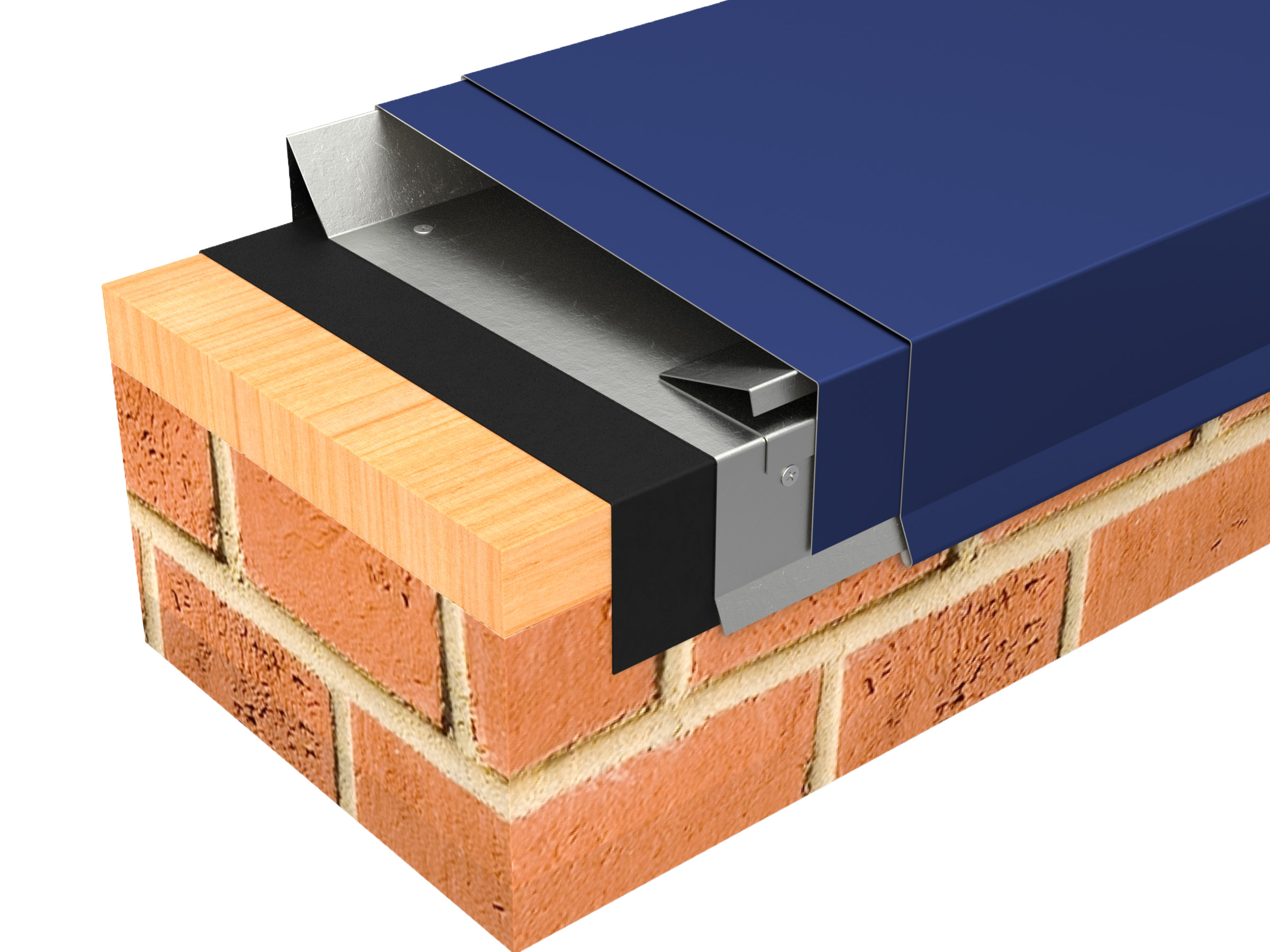
Wind-driven nor'easters punish a roof's perimeter first; sound edge metal, coping, and gutters keep the membrane anchored and move meltwater off the building before it backs up under ice.
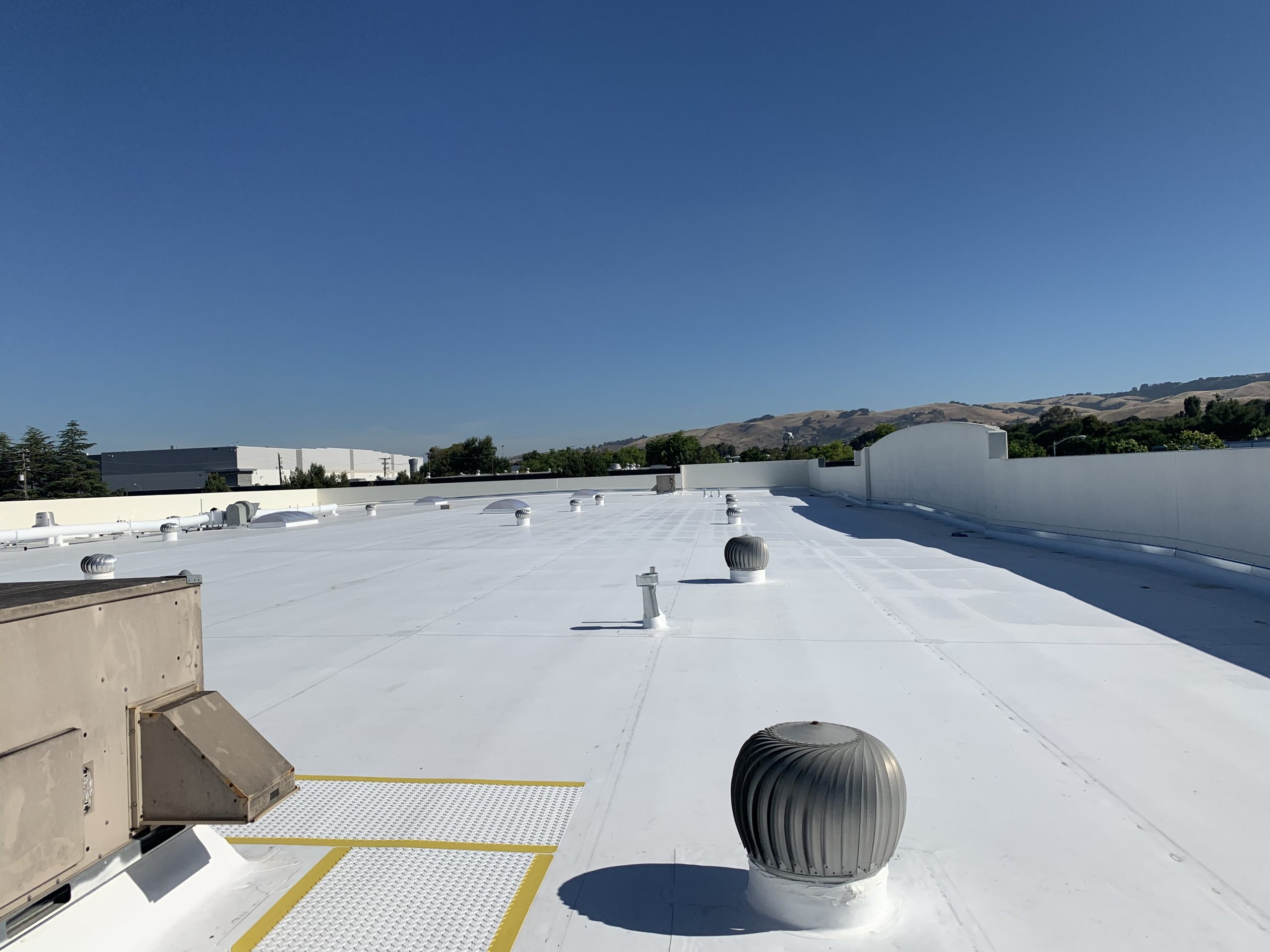
KEE membranes resist grease, chemicals, and ponding better than standard single-ply, a real advantage on Manchester restaurants and plants where rooftop exhaust would degrade a lesser sheet.

Showrooms and service bays along South Willow Street stay open while we phase the work, keeping snowmelt off inventory and customers through a New Hampshire winter.
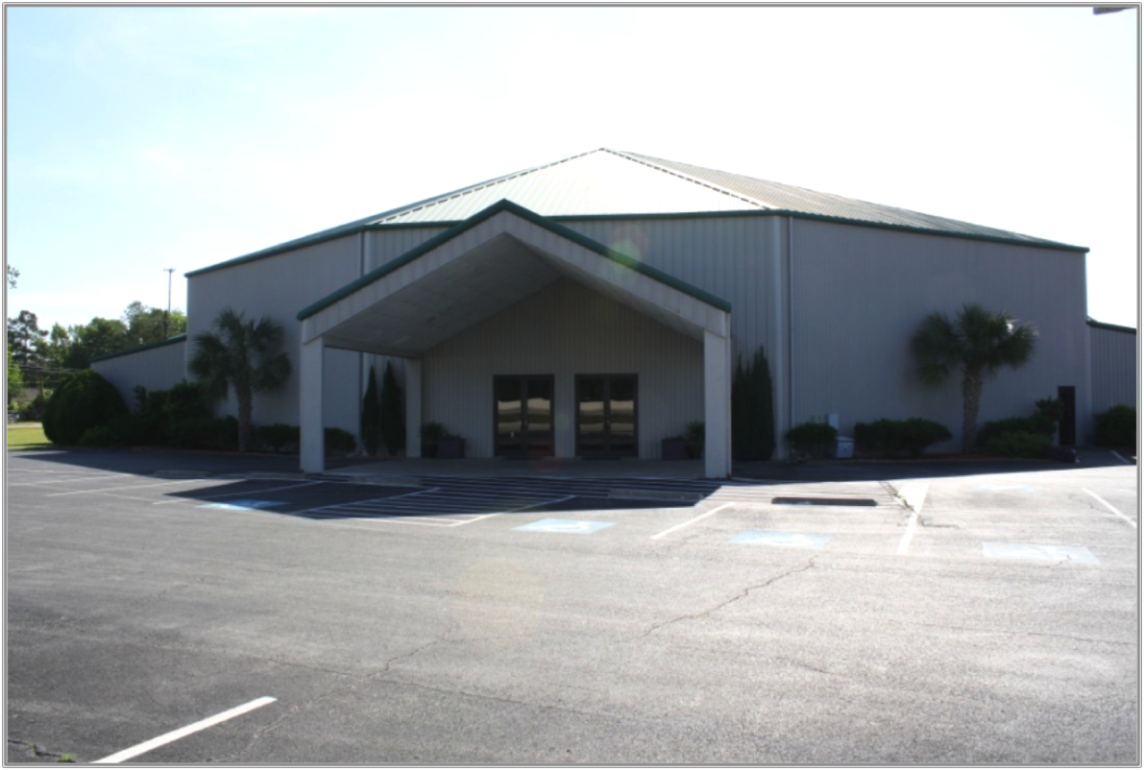
Sanctuaries and parish halls across the city often carry slate, steep-slope, and low-slope sections at once; we plan repairs around service schedules and the heavy snow these older roofs were built to shed.
Send the building location, roof age, leak location, tenant constraints, and access notes. We will point the request toward inspection, repair scope, maintenance, replacement budgeting, or bid comparison.
Contact Us