Commercial Roof Leak Repair in Manchester, NH | Commercial Roofers of New Hampshire
Commercial Roof Leak Repair in Manchester, NH | Commercial Roofers of New Hampshire , New Hampshire commercial roofing.

Elliot Hospital, the major acute care facility anchoring Manchester's medical district on Elliot Street, is part of the Elliot Health System that serves as the primary tertiary referral center for southern New Hampshire. Healthcare facilities throughout the Manchester area , from Elliot's main campus to Catholic Medical Center to the growing network of ambulatory care buildings and medical office facilities that have developed along the Bedford and Hooksett commercial corridors , require roofing contractors who understand the specific technical and regulatory demands of healthcare construction. Our team specializes in healthcare and institutional roofing throughout southern New Hampshire and we bring that focused expertise to every project we execute in this market.
New Hampshire's winter climate creates healthcare roofing challenges that simply do not exist in milder regions. A hospital roof failure in a Manchester January is not just a property damage event , when patient care areas are above the affected zone, it becomes an immediate patient safety concern that must be addressed while the facility continues to operate at full capacity. We design healthcare roofing systems with the reliability margin that this demanding climate demands, and we maintain year-round emergency repair capability so that winter failures can be addressed quickly and professionally rather than with jury-rigged temporary measures.
Infection control protocols on New Hampshire healthcare roofing projects follow the same national standards as anywhere in the country, implemented with the specific knowledge of the building's patient population mix and care delivery areas. Southern New Hampshire's healthcare facilities serve patients across a wide range of acuity levels, and the ICRA requirements for work above an oncology unit at Elliot are very different from those for work on a medical office building in Bedford. We develop the appropriate level of containment for each specific work area rather than applying a one-size-fits-all ICRA that may be insufficient for the most sensitive areas or unnecessarily disruptive for lower-acuity spaces.
Ice dam management at healthcare facilities in New Hampshire requires particular attention because the consequences of an ice dam-related water infiltration above a sterile processing area or an ICU are far more serious than the same event at a commercial office building. We address ice dam risk at every New Hampshire healthcare project through the combination of self-adhering ice and water barrier at all vulnerable transitions, attic insulation and ventilation improvements where attic access exists, and heat cable installation at problem locations where geometry makes drainage inherently difficult. Prevention is always far less costly than remediation in a healthcare environment.
24/7 operational continuity at Elliot Hospital and Manchester's other major healthcare facilities means that our project planning must account for the full seven-day, round-the-clock operational rhythm of a live hospital campus. Noise management, vibration control, dust containment, and access route management must be planned for every hour of every day , not just during daytime weekday hours. We assign experienced healthcare project managers to every job in this market because managing a live hospital construction site requires a specific professional competency that not every roofing superintendent has developed.
Sterile environment protection applies specifically to the air handling system interfaces on healthcare roofs. HVAC intakes, exhaust louvers, and equipment curbs associated with air handling units serving sterile or sensitive areas must be carefully managed during roofing work to prevent debris or construction dust from entering the air stream. We coordinate with the hospital's facilities and infection control teams to identify all such intakes and we implement the physical protection measures required to keep construction debris out of the building's ventilation system.
Regulatory compliance in New Hampshire healthcare facilities includes the Joint Commission standards for Environment of Care, CMS Conditions of Participation, and the New Hampshire Department of Health and Human Services requirements for licensed healthcare facilities. We are familiar with this regulatory framework and we maintain the project documentation that compliance officers require. Our closeout packages provide the evidence of regulatory compliance that facility managers need for their records.
Manchester's winter weather adds specific emergency response considerations to healthcare facility roofing. Post-storm roof damage at a hospital requires an immediate response that must be executed while the hospital continues to operate at full capacity, and that response must include ICRA containment measures from the first contact with the building envelope. We maintain emergency response capability for every healthcare client we serve in the Manchester area and we treat emergency calls with the priority that 24/7 occupied patient care buildings deserve.
From Elliot Hospital's main campus to Catholic Medical Center to the growing ambulatory care network in Bedford and Hooksett, our team brings the healthcare-specific expertise, cold-climate experience, and 24/7 operational sensitivity that New Hampshire's medical community deserves from its roofing partners.
Access, wet insulation, deck repair, edge metal, drains, temporary protection, after-hours work, and occupied-building staging change the number faster than the roof label. We verify those conditions around Merrimack before treating a square-foot price as reliable.
Often, but the sequence has to be planned. We review entrances, loading docks, patient or tenant areas, roof access, odor sensitivity, and weather windows near Milford before recommending daytime, phased, or after-hours work.
We look for wet insulation, deck condition, attachment, slope, seam condition, drain performance, and edge-metal risk. If the roof around Manchester AP station USW00014710 is dry and stable, preservation options stay on the table. If moisture or deck damage is spreading, replacement planning becomes more defensible.
Typical documentation includes roof-area notes, photo locations, leak or damage observations, priority levels, repair limits, access constraints, and budget categories. On storm work, we provide contractor-side roof evidence without promising insurance outcomes.
Timing depends on weather, crew load, access, and whether interior water is active. We triage emergency conditions first, especially when water is entering occupied space near airport hangars and logistics roofs, and then separate temporary dry-in from permanent scope.
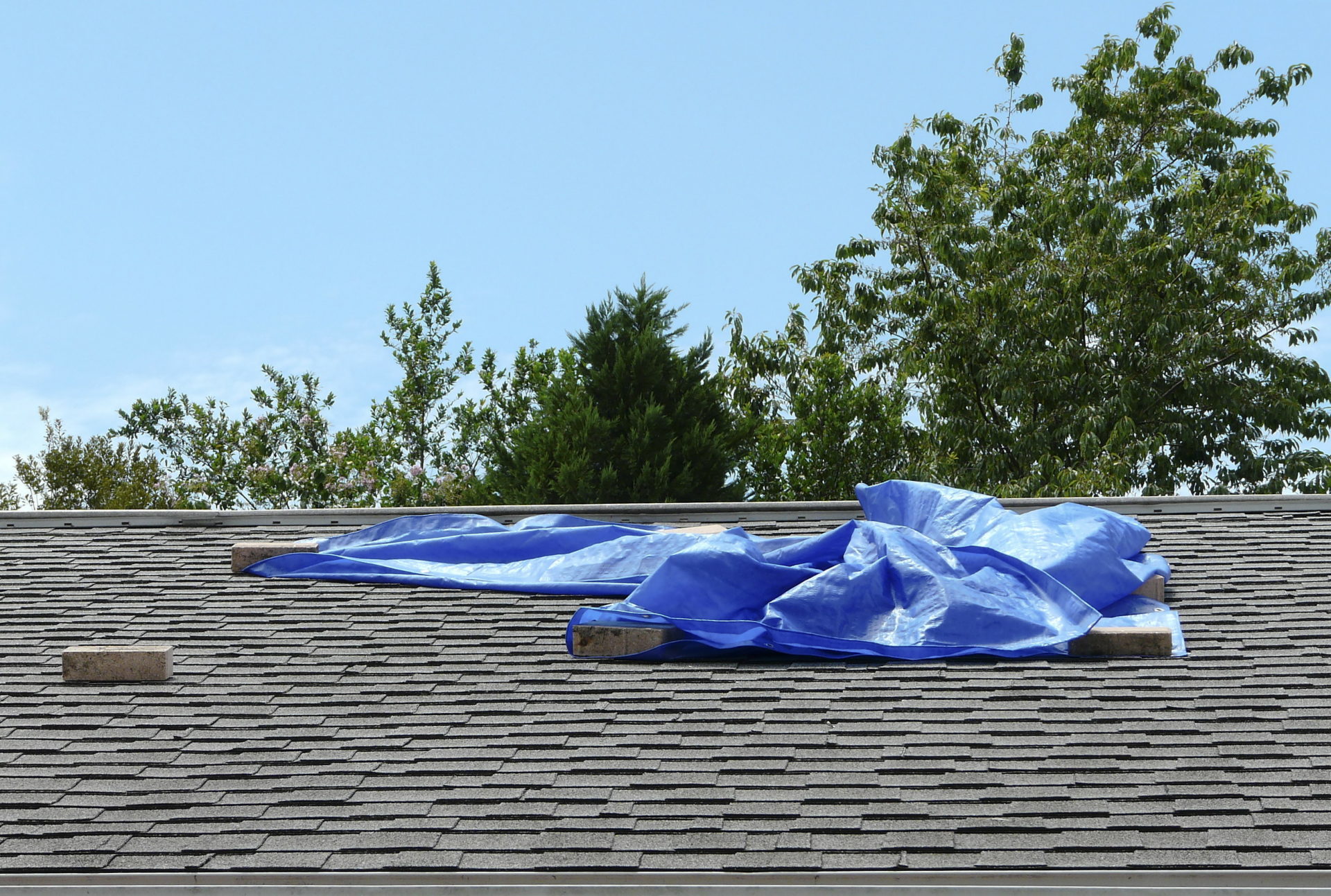
Commercial Roof Leak Repair in Manchester, NH | Commercial Roofers of New Hampshire , New Hampshire commercial roofing.
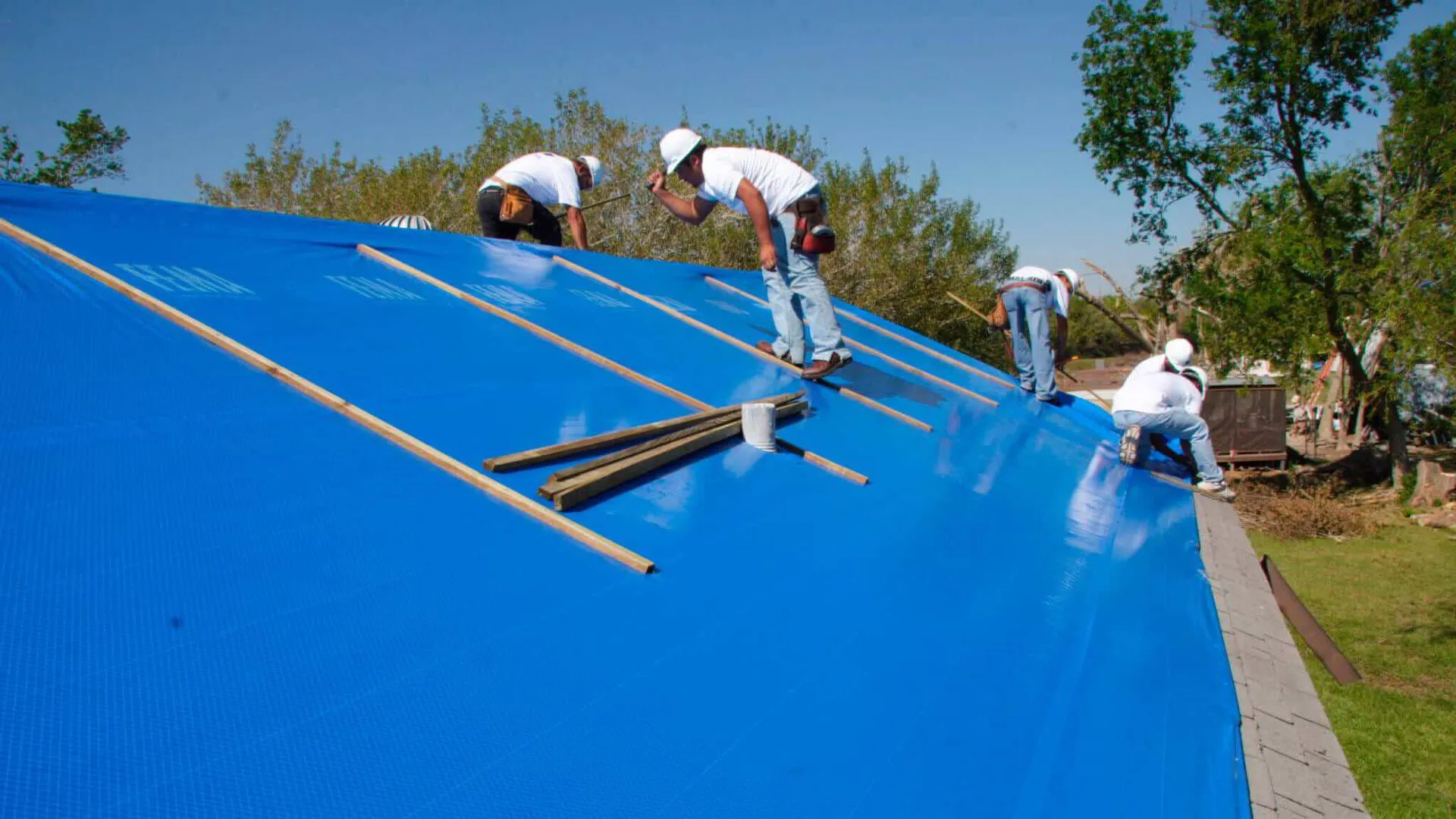
Storm Damage Roof Repair in Manchester, NH | Commercial Roofers of New Hampshire , New Hampshire commercial roofing.
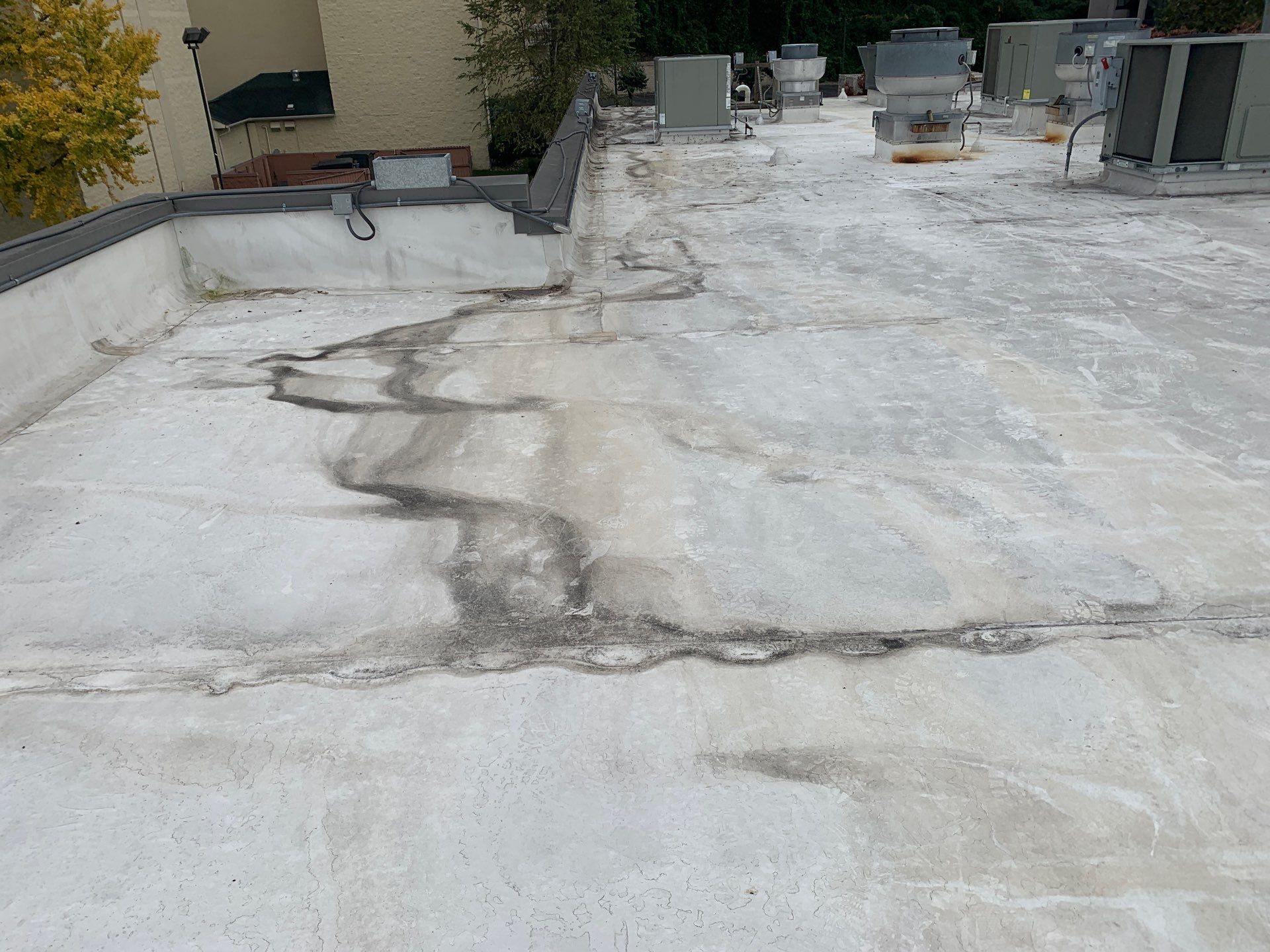
Wind Damage Roof Restoration in Manchester, NH | Commercial Roofers of New Hampshire , New Hampshire commercial roofing.
Send the building location, roof age, leak location, tenant constraints, and access notes. We will point the request toward inspection, repair scope, maintenance, replacement budgeting, or bid comparison.
Contact Us