Commercial Roof Leak Repair in Manchester, NH | Commercial Roofers of New Hampshire
Commercial Roof Leak Repair in Manchester, NH | Commercial Roofers of New Hampshire , New Hampshire commercial roofing.

U-Haul Moving and Storage of Manchester on South Willow Street in Manchester, New Hampshire serves as one of southern New Hampshire's largest combined truck rental and self-storage operations, with a substantial footprint of flat and low-slope roofs that experience the full severity of a New England winter. Manchester's climate produces a combination of heavy snowfall, persistent ice formation, and wind-driven rain that tests every component of a commercial roof system simultaneously. A roofing contractor working on self-storage in Manchester must understand freeze-thaw physics, ice dam mechanics, and the specific vulnerabilities of flat-roof membrane systems under sustained ice loading.
New Hampshire's design snow load requirements are among the highest in the contiguous United States outside of mountainous zones. Manchester sits in a region where ground snow loads are significant, and roof snow loads must account for drift accumulation at parapet walls, mechanical equipment screens, and adjacent building sections. We perform a full snow load analysis before specifying any Manchester re-roof, ensuring that the proposed assembly weight, combined with the design snow load, does not approach the structural capacity of the existing deck. On older buildings, we sometimes commission a structural review before proceeding.
Ice dam formation is the defining winter roof failure mode for Manchester self-storage. The mechanism is well understood: heat escaping through the insulated roof deck melts snow, which flows toward the cold eave overhang, refreezes, and creates a dam that backs liquid water under the membrane. On a storage building with a large flat roof, the version of this problem is ponding-related: standing water from partial snowmelt freezes solid on the roof surface, expands as it cycles, and causes membrane stress at all seams and terminations. Proper insulation value and interior drain heat tape are the two tools we use to address this in Manchester.
EPDM rubber membrane has a long track record on New England flat roofs, and it remains a strong choice for Manchester self-storage because of its flexibility at low temperatures and its resistance to freeze-thaw cycling. TPO is also a viable option, though the earlier generations of TPO had seam performance issues in cold climates that are largely resolved in current 60-mil formulations. We specify cold-weather-rated adhesives for any installation that occurs after October 1, and we require minimum surface temperatures of 40°F for all membrane adhesion and seam welding work.
Manchester's self-storage market serves a mix of neighborhood customers, small businesses, and college students from nearby Saint Anselm and Southern New Hampshire University. Climate-controlled units are increasingly standard, which means these buildings have HVAC loads that drive up the importance of roof thermal performance. A well-insulated roof on a climate-controlled Manchester storage building reduces heating costs significantly through a New England winter, and the payback period on premium insulation is much shorter here than in warmer markets.
Drainage design in Manchester must account for snowmelt as a primary event, not a secondary consideration. A rapid warming trend in February or March can melt a season's worth of accumulated snow in seventy-two hours, producing runoff volumes that overwhelm undersized drain systems. We size all interior drains and overflow scuppers for a combined rainfall and snowmelt event, and we install heat tape in all interior drain bowls and the first several feet of downspout to prevent ice bridging during partial-thaw conditions.
Tenant protection in a Manchester winter re-roof requires careful scheduling and contingency planning. We avoid opening roof decking when temperatures below freezing are forecast within the next twelve hours, we maintain an inventory of temporary weather protection materials on site at all times, and we provide daily work status updates to the facility manager. Storage tenants in New Hampshire are not shy about asking questions, and a facility manager who can answer them confidently has a much better relationship with the tenant base than one who is surprised by the re-roofing crew showing up unannounced.
Manchester building permits for commercial roofing require a licensed contractor, a permit application, and inspection at the completion of work. New Hampshire does not have a statewide contractor licensing law, but Manchester and other large municipalities have local licensing requirements. We are licensed in Manchester and all surrounding Hillsborough County communities, and we maintain the bonding and insurance levels required for institutional storage accounts.
The self-storage market in greater Manchester is supported by consistent demand from the region's healthcare, technology, and education employers, and by steady in-migration from the Boston area driven by New Hampshire's tax advantage. Facility operators who maintain high-quality physical plants are positioned to capture that demand growth and to benefit from the institutional interest in New England storage portfolios that has characterized the market over the past decade.
Access, wet insulation, deck repair, edge metal, drains, temporary protection, after-hours work, and occupied-building staging change the number faster than the roof label. We verify those conditions around Merrimack before treating a square-foot price as reliable.
Often, but the sequence has to be planned. We review entrances, loading docks, patient or tenant areas, roof access, odor sensitivity, and weather windows near Milford before recommending daytime, phased, or after-hours work.
We look for wet insulation, deck condition, attachment, slope, seam condition, drain performance, and edge-metal risk. If the roof around Manchester AP station USW00014710 is dry and stable, preservation options stay on the table. If moisture or deck damage is spreading, replacement planning becomes more defensible.
Typical documentation includes roof-area notes, photo locations, leak or damage observations, priority levels, repair limits, access constraints, and budget categories. On storm work, we provide contractor-side roof evidence without promising insurance outcomes.
Timing depends on weather, crew load, access, and whether interior water is active. We triage emergency conditions first, especially when water is entering occupied space near airport hangars and logistics roofs, and then separate temporary dry-in from permanent scope.
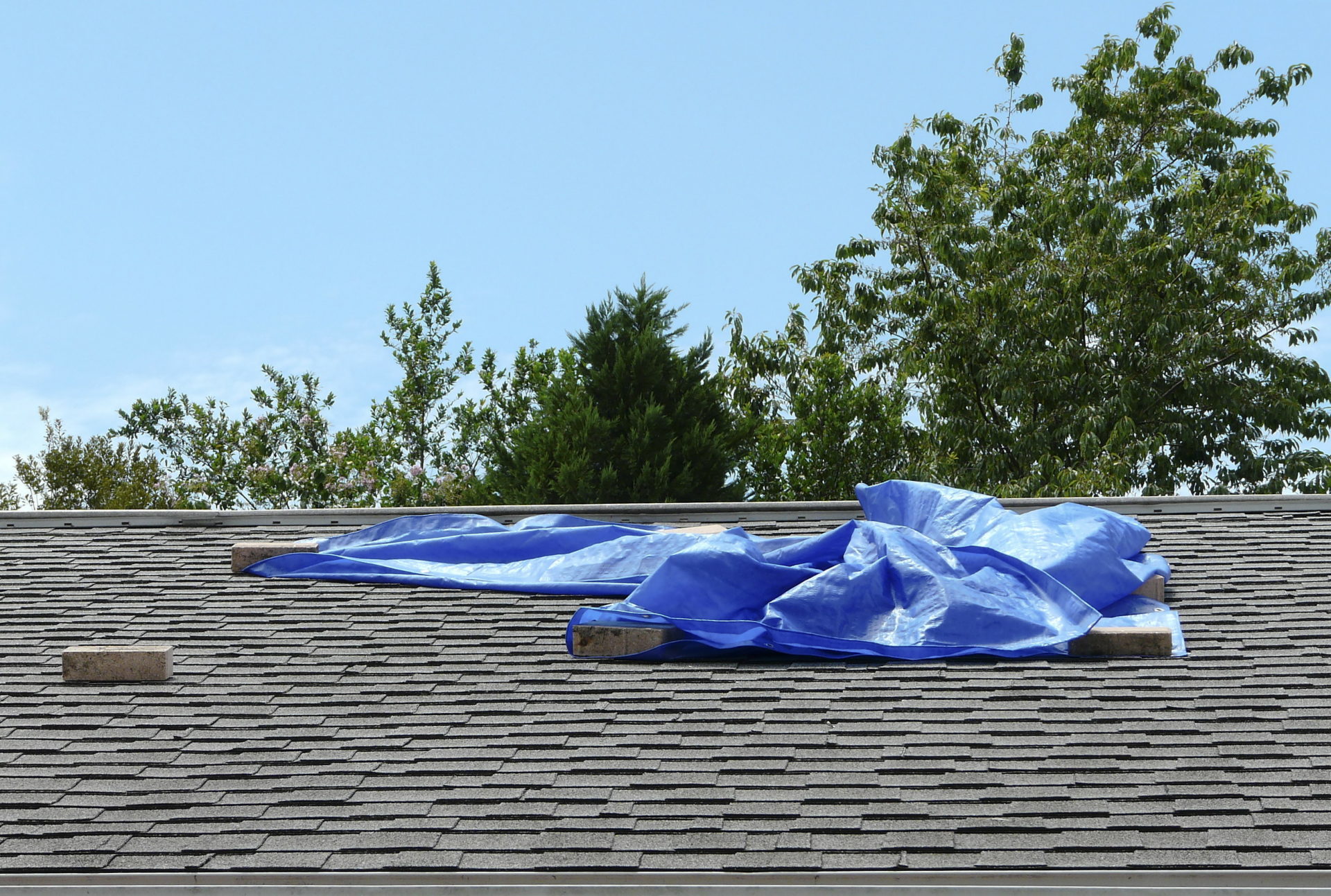
Commercial Roof Leak Repair in Manchester, NH | Commercial Roofers of New Hampshire , New Hampshire commercial roofing.

Storm Damage Roof Repair in Manchester, NH | Commercial Roofers of New Hampshire , New Hampshire commercial roofing.
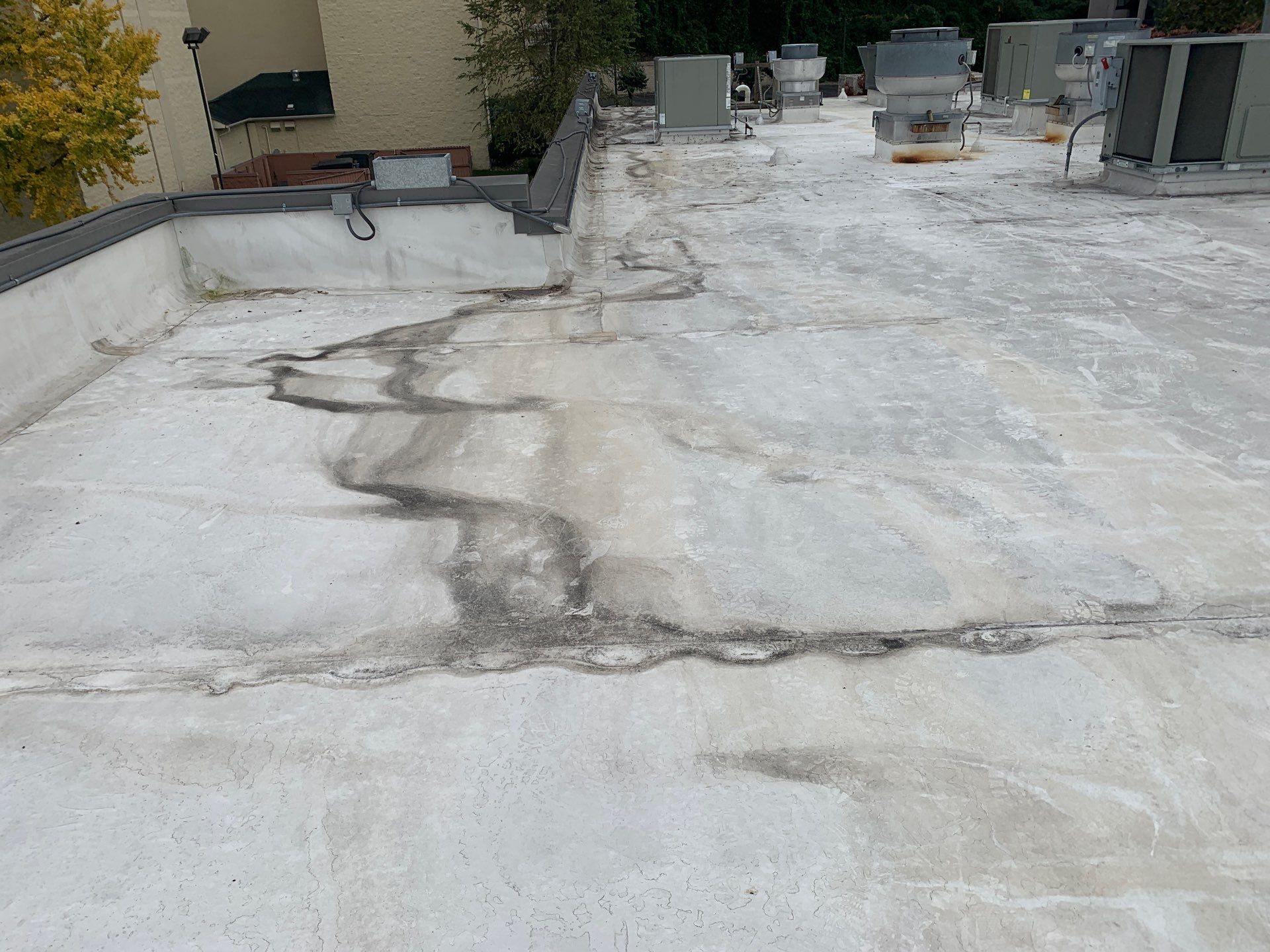
Wind Damage Roof Restoration in Manchester, NH | Commercial Roofers of New Hampshire , New Hampshire commercial roofing.
Send the building location, roof age, leak location, tenant constraints, and access notes. We will point the request toward inspection, repair scope, maintenance, replacement budgeting, or bid comparison.
Contact Us