Commercial Roof Leak Repair in Manchester, NH | Commercial Roofers of New Hampshire
Commercial Roof Leak Repair in Manchester, NH | Commercial Roofers of New Hampshire , New Hampshire commercial roofing.

Ask a building owner where the leak is and most can point to the ceiling stain. Ask where the water is actually entering the roof and the honest answer, on a large commercial building, is that nobody knows without taking the assembly apart or imaging it. The sprawling low-slope roofs over Manchester's warehouses near the airport, the flex and light-industrial buildings strung along the I-293 corridor, and the wide converted floorplates in the Millyard all share the same trait: they are far too big to read accurately from the parapet and far too valuable to diagnose by hunch. Our drone and infrared inspection captures the entire roof in high resolution and thermal, then tells us where the trouble really sits before a single crew member steps onto the membrane.
What we hand back is a documented condition record an owner or property manager can actually use , to plan a capital budget, to open and substantiate an insurance claim, or to build the baseline for a replacement specification. The flight is non-destructive, it never loads a membrane whose condition we have not yet confirmed, and it covers a roof in a fraction of the time a careful manual survey would take at that size.
The photographs are useful, but the thermal imagery is what changes decisions. Moisture trapped inside a roof assembly stores and releases heat differently than the dry insulation around it. Over a sunny day the whole roof absorbs solar energy; after sunset the dry field gives that heat back quickly while saturated areas hold onto it and cool more slowly. Flown during that evening cool-down, the thermal camera reads the wet zones as bright, well-defined signatures , even where the membrane above them looks flawless to the eye.
That one map reframes the entire repair question. A roof with a handful of isolated wet pockets is a candidate for surgical cut-out and patch. A roof with moisture creeping across a third or half of its area is past saving and headed for replacement. Skip the thermal step and you are guessing , and on a roof this size, guessing wrong means either tearing out insulation that was still dry or, far worse, recovering over insulation that was already soaked, which seals the water in and rots the new system from underneath. The infrared pass replaces the guess with evidence.
There is a real safety and preservation case for imaging before we walk. Until a roof's condition is known, we do not know whether it will safely carry an inspection crew , aged membranes over deteriorated insulation, hidden ponding, and brittle old built-up roofing all create footing and fall hazards. Foot traffic is also wear in its own right: scuffed surfacing, stressed seams, and crushed insulation along every walk path. On a roof we are trying to extend rather than replace, the lightest possible touch is the correct one. The drone lets us assess first and walk later, and only where the imagery says a hands-on look is warranted.
It also reaches what a person cannot reach well. The backsides of large rooftop units, the interiors of equipment screens, parapet caps, and awkward transitions are slow and risky on foot but routine from the air. Because the drone holds a fixed altitude and overlap pattern, coverage stays uniform across the whole roof, instead of being dense wherever the inspector happened to stand and thin everywhere else.
Manchester is a real airspace consideration, not an afterthought. The Manchester-Boston Regional Airport sits on the city's south side, and a meaningful share of the commercial roofs we inspect fall within or beside its controlled airspace. Commercial drone work here operates under the FAA's Part 107 rules, which means a certificated remote pilot, airspace authorization through the LAANC system wherever the controlled airspace requires it, and flights kept within the altitude ceilings that authorization grants and within visual line of sight. For every address we confirm the airspace class first, secure any required authorization before we fly, and time the flight window to weather , because reliable thermal imaging depends on the right ambient conditions and a clear, settled cool-down to read accurately.
After a wind or hail event, the deliverable is the record. We provide GPS-tagged imagery that pins each finding to a precise spot on the roof: hail impact density across the field, wind-lifted or peeled membrane, displaced edge metal, and damaged rooftop equipment. That is the format commercial property adjusters are equipped to review, and it lets a claim advance without an adjuster having to climb the building. On a contested claim, the geotagged imagery and infrared map stand as objective evidence of where the damage is and how far it extends.
The same dataset front-loads a reroof. When we measure roof area from the air and locate every drain, curb, and penetration with existing conditions documented, the specification and bid drawings reflect the roof as it truly is. That trims the field surprises, requests-for-information, and change orders that pile up when a contractor discovers conditions during construction that nobody captured in design.
It covers the whole surface uniformly at a set altitude and builds a complete photographic and thermal record without putting foot traffic on a membrane we have not yet cleared. On a large roof a manual walk eats hours and still misses the low spots where ponding hides from standing height , and broad thermal coverage simply is not practical on foot. The overhead pass is what makes it work.
Yes, in the right window. Flown during the evening cool-down, wet insulation shows up because it releases its stored daytime heat more slowly than the dry field around it, leaving a distinct thermal signature. The moisture map that comes out of it is precise enough to drive the call between a targeted repair and a full replacement.
We produce a GPS-tagged report tying hail impact density, wind damage, and flashing and equipment damage to specific roof locations, formatted to the documentation commercial carriers expect. It can go straight to the adjuster, and on disputed claims it serves as objective evidence.
Large low-slope commercial roofs , distribution and industrial buildings, retail centers, office complexes, and multi-building campuses. On a small or steep roof a manual look is quick and complete; above roughly ten thousand square feet, the aerial approach is both more thorough and far faster.
Yes. We operate under FAA Part 107 with a certificated pilot, obtain LAANC authorization wherever the controlled airspace around the Manchester-Boston Regional Airport requires it, and stay within the granted altitude limits and visual line of sight.
If you are responsible for a large commercial roof anywhere in Manchester or the surrounding towns, an annual aerial and thermal pass is the cheapest insurance against a moisture problem you cannot see from the ground. Post-storm flights for claim documentation get priority as weather and airspace allow. Call or request a roof review and we will confirm the airspace, set the flight window, and get you a documented read on your roof's real condition.
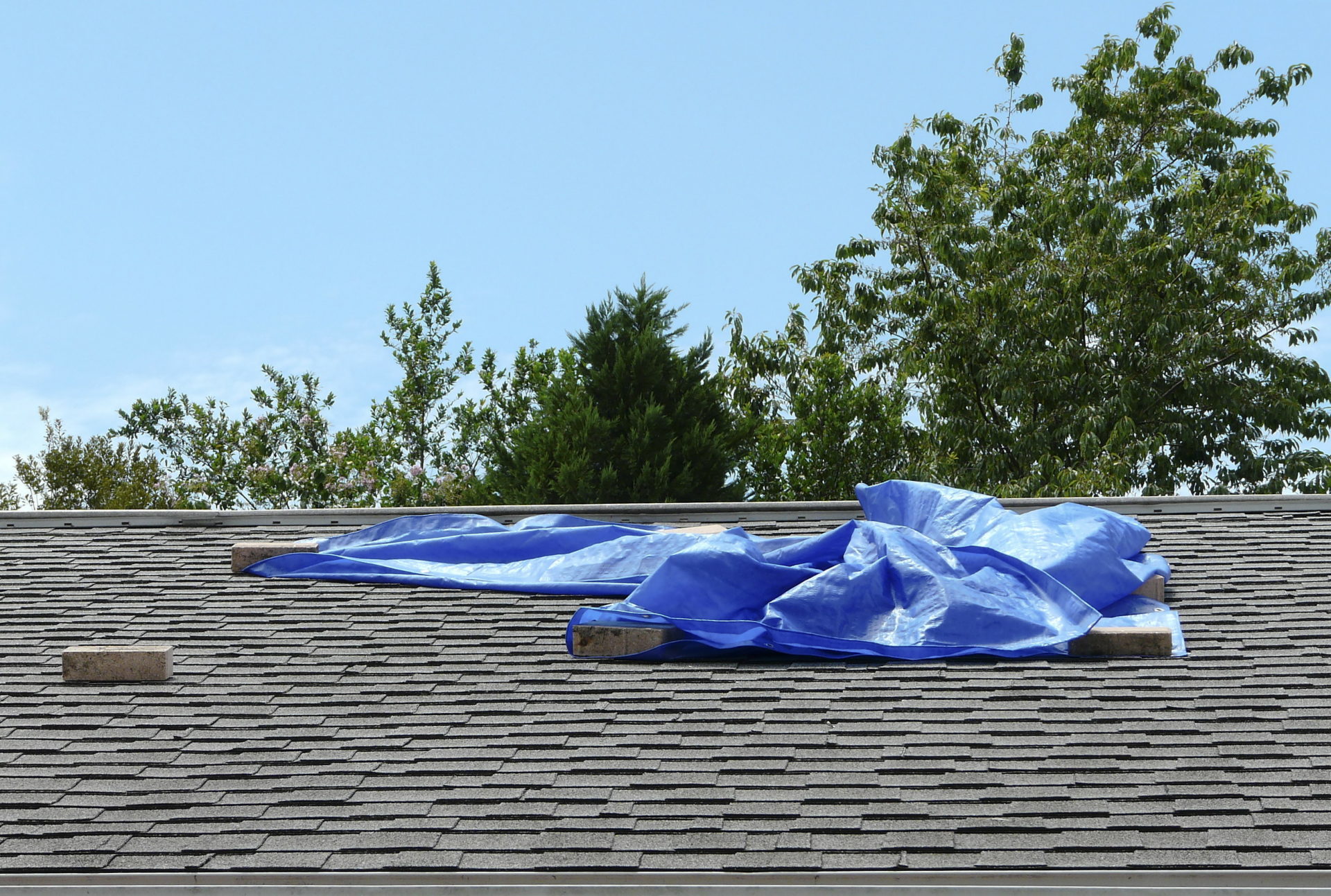
Commercial Roof Leak Repair in Manchester, NH | Commercial Roofers of New Hampshire , New Hampshire commercial roofing.
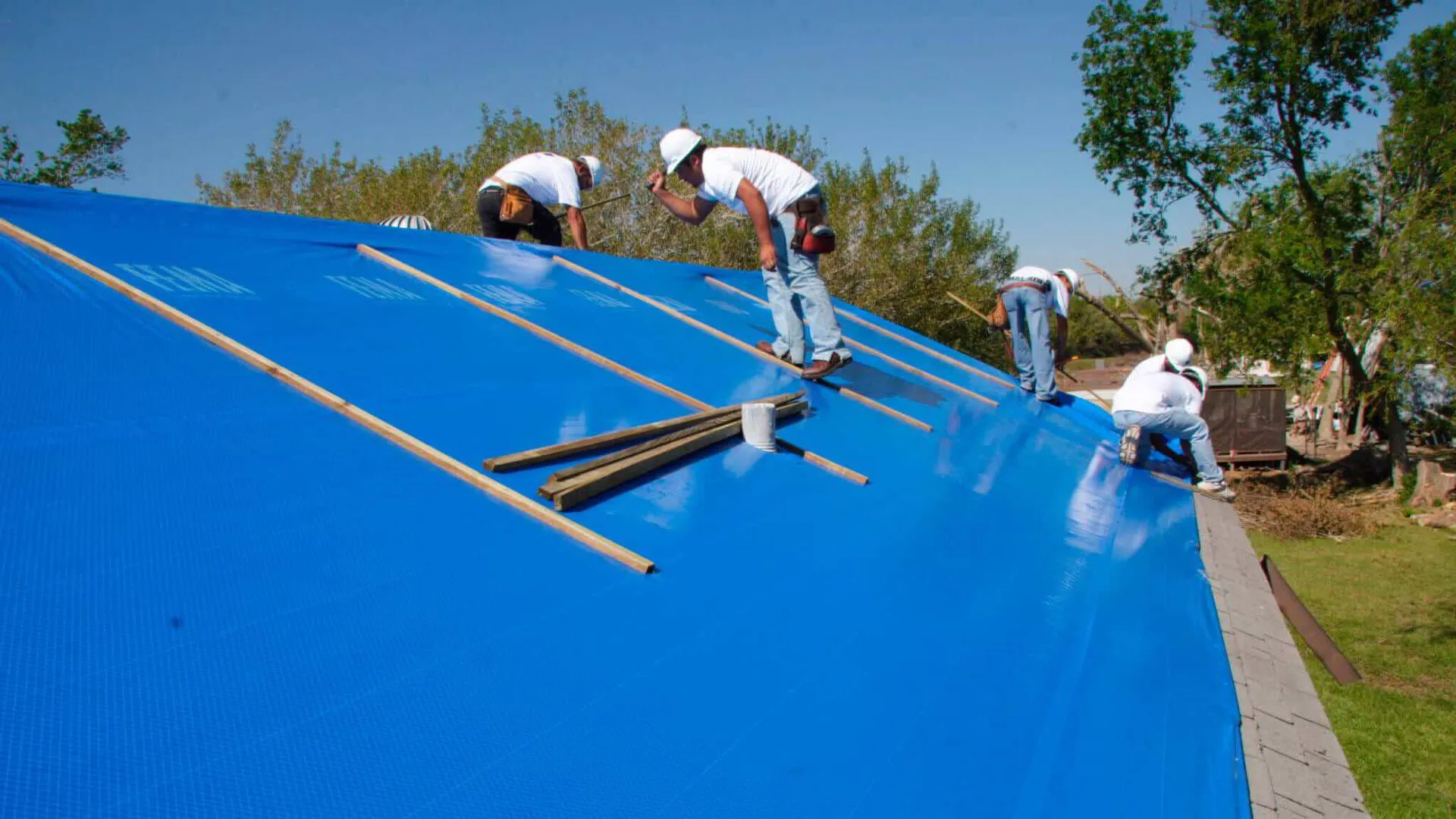
Storm Damage Roof Repair in Manchester, NH | Commercial Roofers of New Hampshire , New Hampshire commercial roofing.
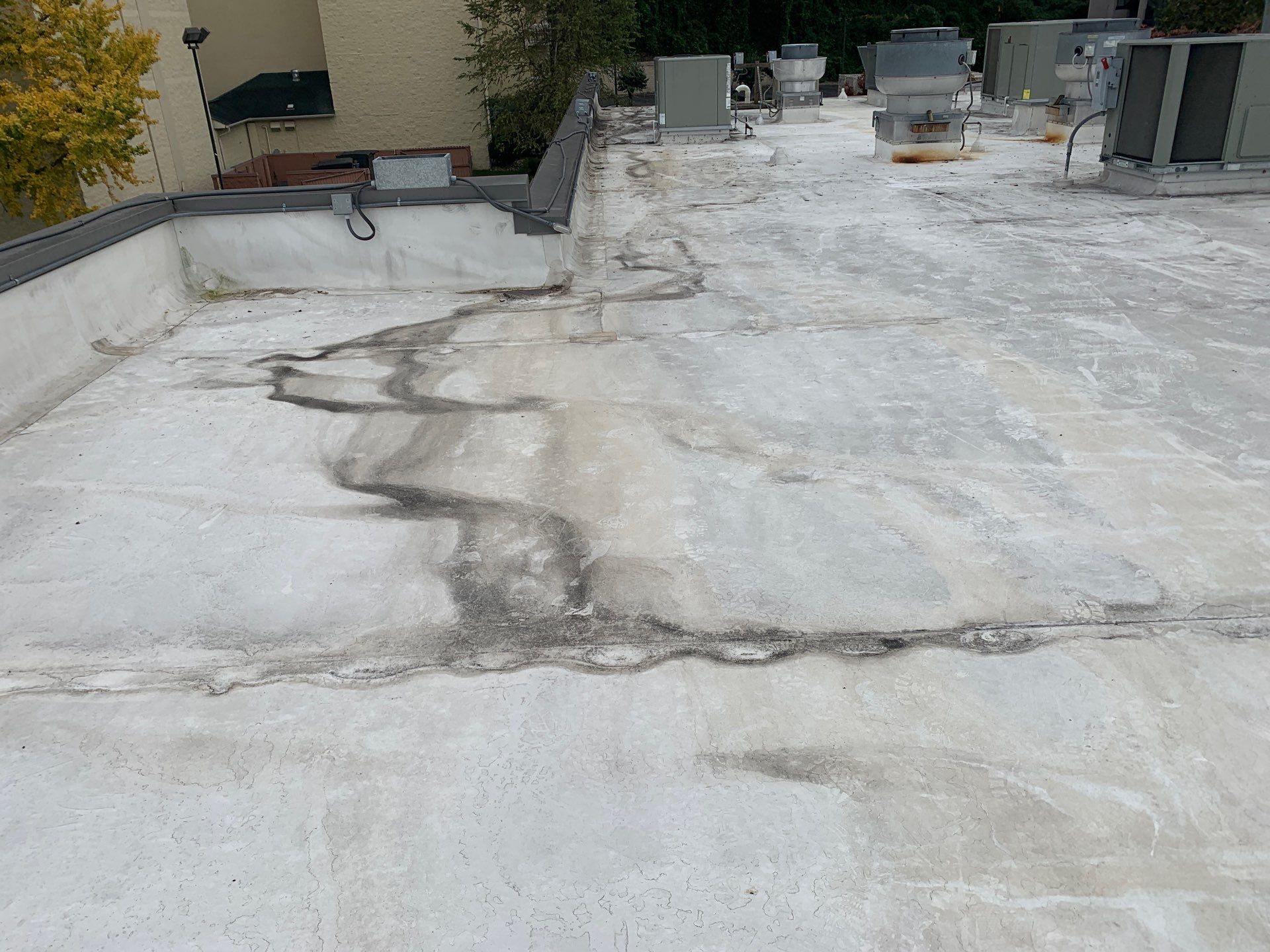
Wind Damage Roof Restoration in Manchester, NH | Commercial Roofers of New Hampshire , New Hampshire commercial roofing.
Send the building location, roof age, leak location, tenant constraints, and access notes. We will point the request toward inspection, repair scope, maintenance, replacement budgeting, or bid comparison.
Contact Us