Snow and Ice Roof Damage Insurance Claims in Manchester, NH | Commercial Roofers of New Hampshire
Snow and Ice Roof Damage Insurance Claims in Manchester, NH | Commercial Roofers of New Hampshire, New Hampshire commercial roofing.

A mill-conversion building in the Manchester Millyard and a low-slope office park along the Nashua tech corridor sustain storm damage in different ways, but they end up in the same place after a bad night of weather: an owner with an open insurance claim and a roof that needs a documented, defensible scope before the carrier will move. We're your roofing contractor, not a public adjuster, we inspect, document, and produce the evidence that lets you and your adjuster work from an accurate picture of the roof.
A commercial roof insurance claim starts with documentation, not a repair estimate. That means photos of every damaged area, measurements of impact spacing on membrane and metal, moisture readings where water has already tracked into the insulation, and notes on deck condition where the damage is severe enough to raise structural questions. We build that record before pricing gets discussed, because a carrier reviewing a claim wants to see the roof itself, beyond a single number.
Meeting the adjuster on the roof is where documentation earns its value. We walk the roof with the adjuster, point to the specific membrane punctures, torn flashing, or displaced coping that photographs alone can undersell, and answer questions about deck access, age of the existing roof system, and prior repair history. Our role on that walk is to make sure the roof itself is read correctly, not to argue the claim on the owner's behalf.
Complete-scope framing matters because storm damage rarely stops at the visible strike zone. A hail event that dents one section of standing seam metal usually affects the whole slope, and current building code may require upgraded edge metal, additional fastening, or code-compliant insulation on any section that gets opened up for repair. We itemize those code and ordinance items in the written scope so nothing legitimate gets left off the claim before it's submitted.
On denied or underpaid claims, our position stays the same: we don't negotiate with the insurer and we don't promise a different outcome. What we can do is go back onto the roof, take additional photos or moisture readings, and produce supplemental documentation if the owner's adjuster or public adjuster asks for a closer look at a specific area. That second visit has changed outcomes on plenty of claims simply because the first inspection missed a section.
Manchester's building stock shapes what a claim inspection actually finds. Millyard mill-conversion roofs sit over heavy timber or plank decks that read moisture differently than a steel deck, and a roof that looks intact from the parking lot can be holding saturated insulation underneath decades-old brick parapets. Nashua's tech corridor buildings carry rooftop mechanical serving sensitive equipment below, which raises the stakes on even a small membrane puncture. Concord's state-government and municipal buildings often require prevailing-wage documentation and a more formal reporting format for their facilities teams. Portsmouth and the Seacoast commercial district face direct coastal wind exposure that puts edge metal and parapet coping at the top of every storm inspection.
Deep freeze-thaw cycling across southern New Hampshire adds a layer that a single-visit inspection can miss. A roof punctured during a fall storm may not show interior staining until January, when meltwater from an ice dam finds the damaged seam and tracks into the deck. We note freeze-thaw risk areas, drains, scuppers, low points, parapet returns, as part of the claim documentation, because a carrier reviewing photos from October needs to understand what that same roof looks like in a February thaw.
TPO, EPDM, PVC, standing seam metal, and older built-up systems all show storm and impact damage differently, and a defensible claim inspection reads each one on its own terms rather than applying a generic damage checklist. Metal roofs need a hail-strike map showing impact density per test square. Single-ply membranes need seam and puncture documentation. Built-up and modified bitumen roofs need attention to blistering and granule loss that can be storm-related or simply age. We match the inspection method to the roof system on the building.
A written report follows every claim inspection: roof-area maps, photo locations tied to specific damage points, measurements, moisture-scan results where taken, and a repair-versus-replacement recommendation with the reasoning behind it. That report is built to be handed directly to the carrier or the owner's public adjuster, in the format commercial adjusters expect to review.
The right first step on a storm-damaged commercial roof in New Hampshire is a documented inspection, not a guess at scope. Send the building location, the date of loss, and any interior leak locations, and we'll schedule a roof walk that produces the evidence your claim needs, whether that leads to repair, a partial recover, or a full replacement.
Coverage depends on the policy, the cause of loss, and whether the damage is sudden, wind, hail, ice, or gradual wear that most policies exclude. We don't interpret policy language, but our inspection documents the roof condition and the specific damage so you and your adjuster are working from the same evidence.
Typically the owner reports the loss to the carrier, then we inspect and document the roof, meet the adjuster on the roof if one is scheduled, and provide a written scope covering the full extent of the damage, including any code-required upgrades triggered by the repair.
We are not public adjusters and can't dispute a carrier's decision on your behalf. What we can do is go back onto the roof and supply additional documentation, measurements, or photos if you or your adjuster wants a second look at a specific area of the scope.
That depends on deck condition, moisture spread, membrane age, and whether the damage is isolated or spread across the field of the roof. Our inspection separates sections that are repairable from areas where replacement is the more defensible path.
Timing depends on weather, crew load, and whether water is actively entering the building. Active leaks into occupied space near the Manchester Millyard or downtown get triaged first, with temporary dry-in ahead of the full documentation visit.
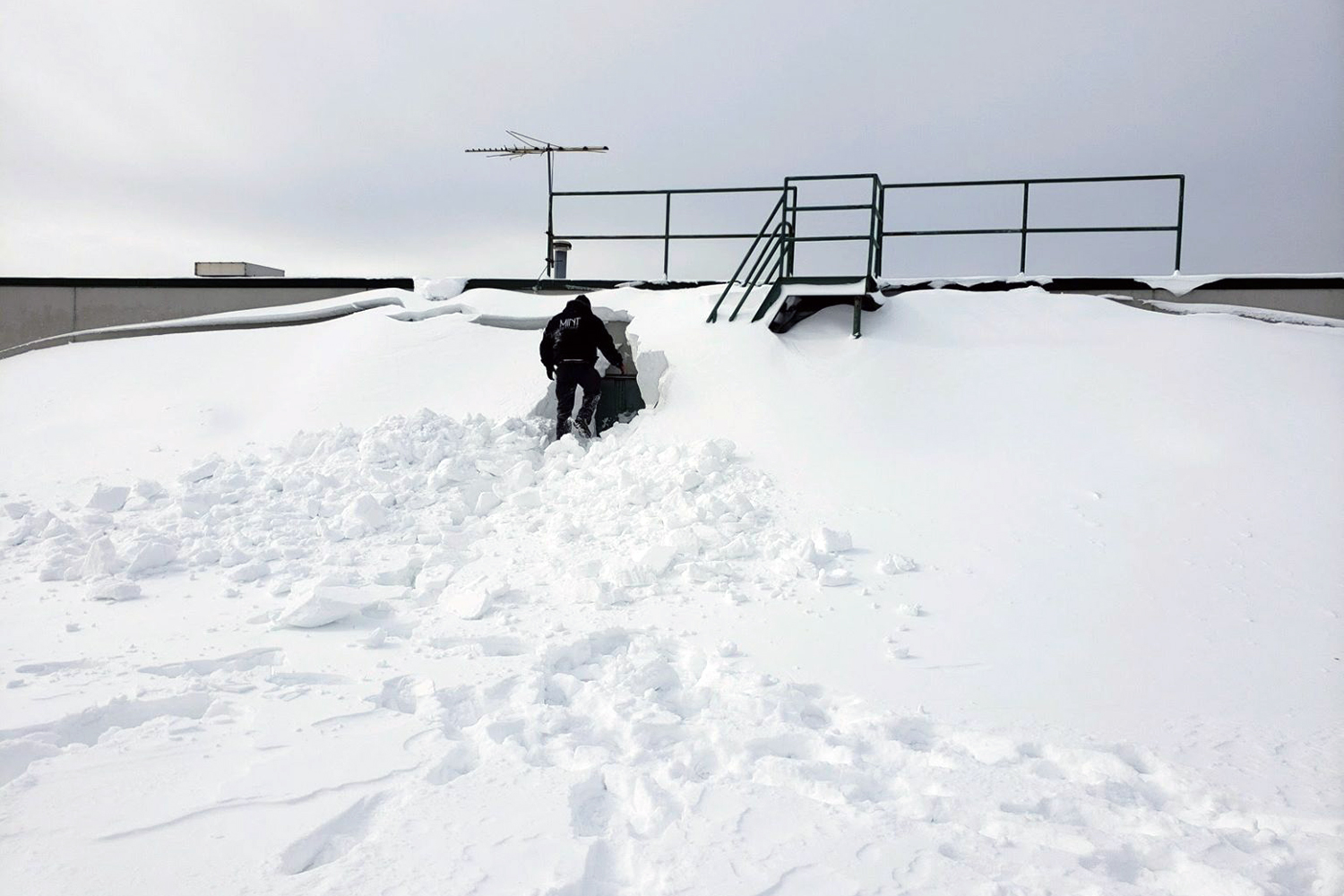
Snow and Ice Roof Damage Insurance Claims in Manchester, NH | Commercial Roofers of New Hampshire, New Hampshire commercial roofing.
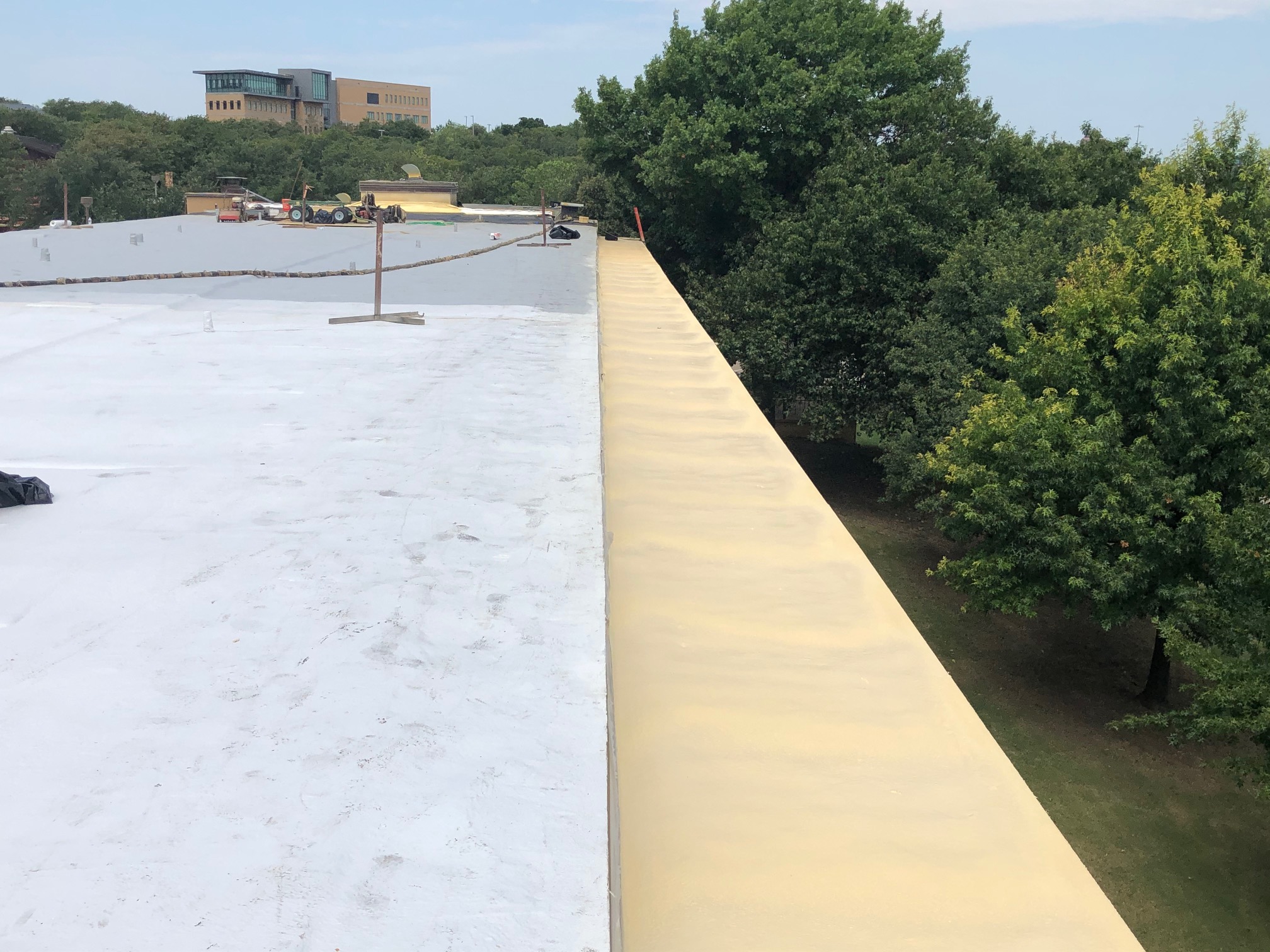
Wind and Storm Damage Roof Insurance Claims in Manchester, NH | Commercial Roofers of New Hampshire, New Hampshire commercial roofing.
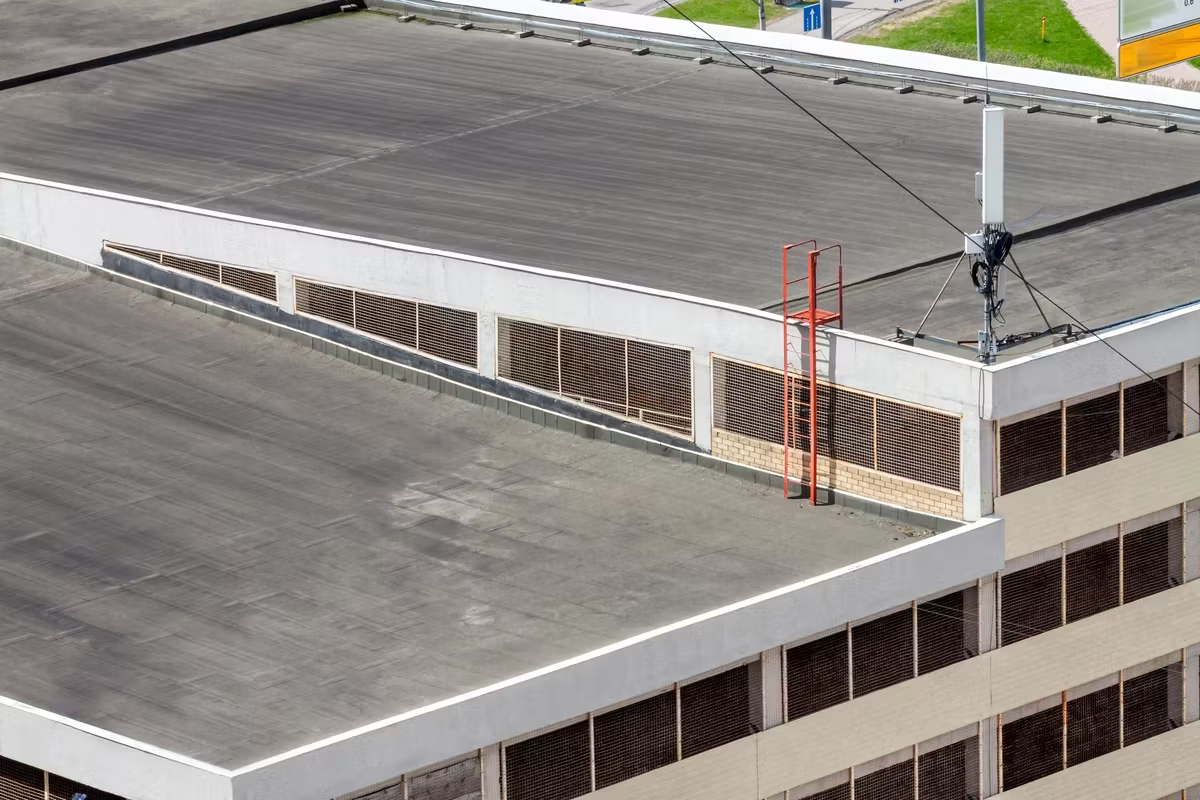
Insurance Claim Coordination in Manchester, NH | Commercial Roofers of New Hampshire, New Hampshire commercial roofing.
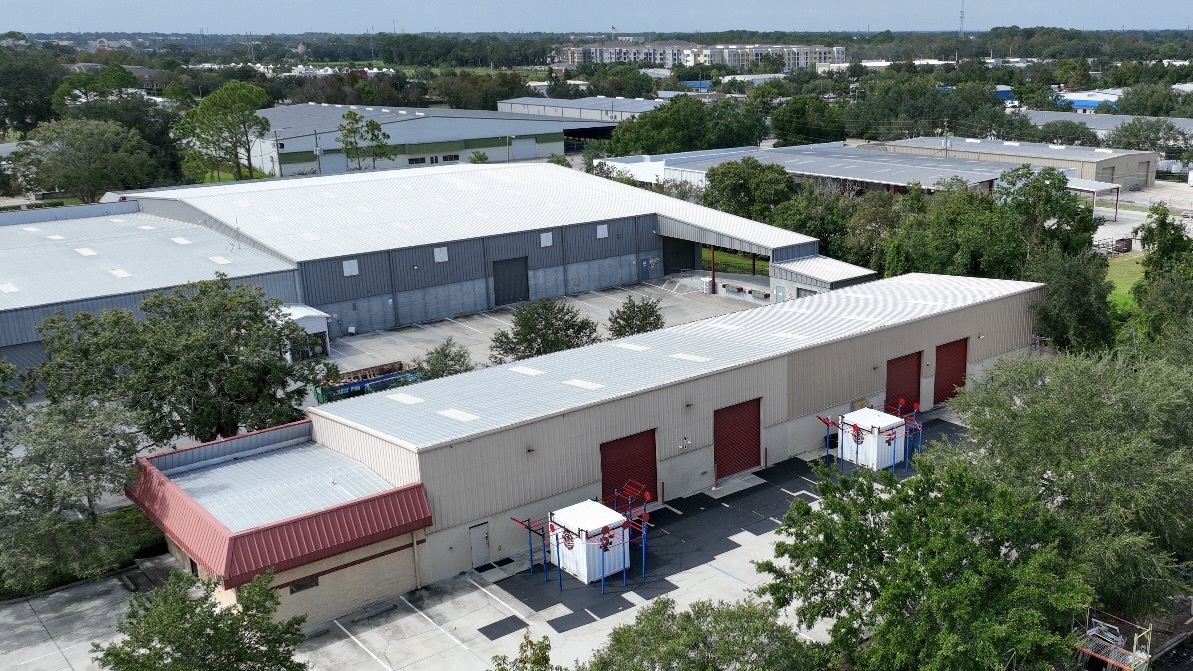
Commercial Roof Inspection in Manchester, NH | Commercial Roofers of New Hampshire, New Hampshire commercial roofing.
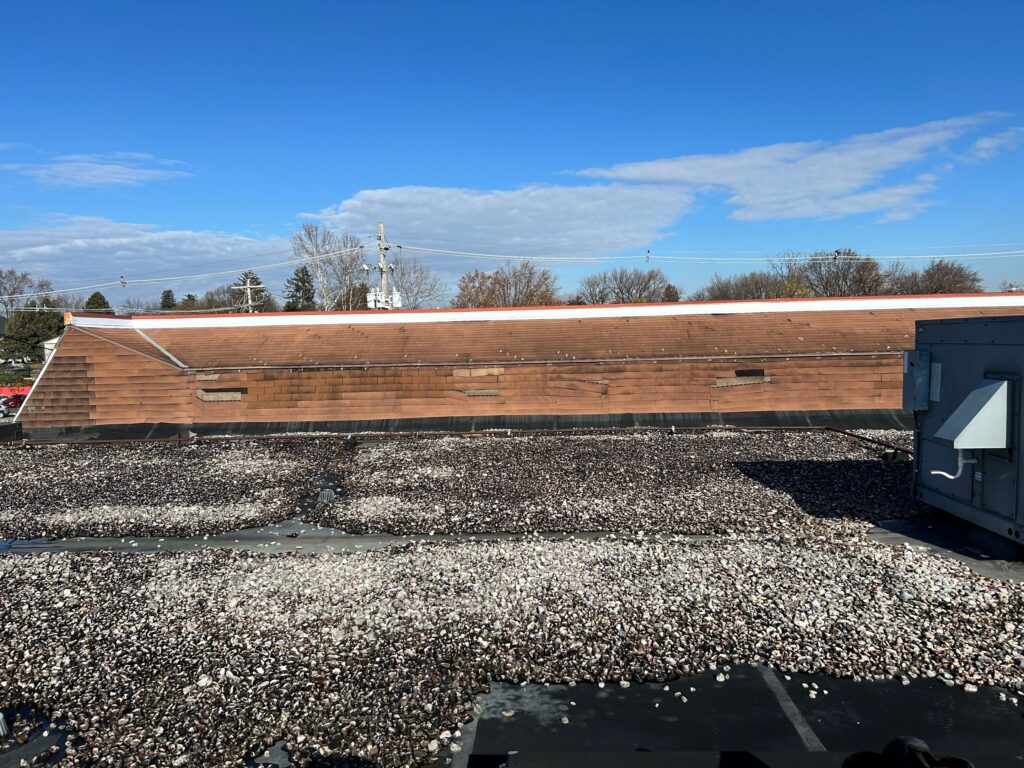
Emergency Tarp and Dry-In in Manchester, NH | Commercial Roofers of New Hampshire, New Hampshire commercial roofing.

Roof Tear-Off and Replacement in Manchester, NH | Commercial Roofers of New Hampshire, New Hampshire commercial roofing.
Send the building location, roof age, leak location, tenant constraints, and access notes. We will point the request toward inspection, repair scope, maintenance, replacement budgeting, or bid comparison.
Contact Us