Inspect Before Replacing
Document membrane condition, moisture risk, insulation, drainage, repairs, access, and the remaining options.

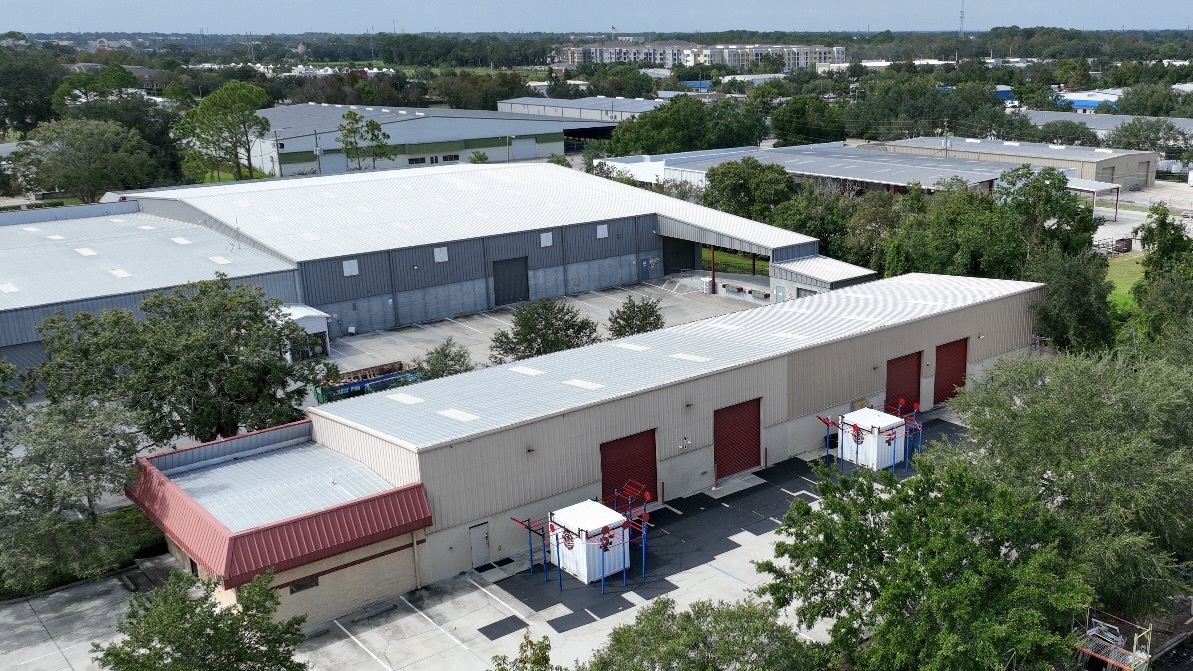
If water is entering the building, the first job is to protect the operation and locate the failure. If the roof is aging, the next job is to inspect it before a replacement budget is approved.
We help New Hampshire owners move from urgent repair to a clear choice between targeted repair, coating or restoration, recover, full replacement, and an ongoing service agreement.
Commercial Roofing of New Hampshire
Commercial Roof Inspection for New Hampshire commercial properties starts with the condition in front of the owner. The field record must explain an active leak, repeated service calls, an acquisition review, a restoration decision, an approaching warranty milestone, or a budget that needs defensible roof priorities, separate immediate protection from permanent work, and show how the findings affect repair, restoration, replacement, maintenance, and future capital decisions.
A New Hampshire roof review has to account for snow, ice, freeze-thaw cycling, wind, and repeated winter moisture. Those conditions affect access, observation timing, drying, and temporary protection before they affect the final recommendation. Start with the room, ceiling grid, equipment, wall line, and time of entry, then carry those coordinates to the roof. Comparing high and low points, rooftop details, prior patches, and flow paths is more reliable than standing over the first wet-looking surface. This distinction protects the owner from treating a correlation as proof. It also lets the next technician revisit the precise unknown instead of repeating the entire investigation.
For Commercial Roofing of New Hampshire, the field file should capture roof-area plans, system and deck information, observed defects, photographs, moisture evidence, drainage, repair history, immediate priorities, budget assumptions, and recommended follow-up. Each note needs a roof-area reference so a photograph or recommendation can be found again after the visit. The field sequence is to divide the roof into usable zones, compare interior history with exterior conditions, inspect drainage and details, and record defects in a way another decision-maker can follow. Photographs should show context and detail, and test locations should explain what question was being answered and how the opening was closed. The closeout should identify today's completed scope and tomorrow's unresolved work independently. That structure is especially important when several vendors, tenants, or ownership representatives will rely on the same roof file.
Standing Seam Metal Roof Systems, Spray Polyurethane Foam Systems, and Black EPDM Roof Systems can show a similar interior symptom while requiring different investigation and repair details. The observed assembly,not a generic flat-roof label,has to control the scope. Record membrane type, surfacing, insulation and cover-board clues, attachment, flashings, penetrations, edges, and earlier repairs. If the assembly cannot be confirmed visually, say so and define the core or document review needed to confirm it. The final comparison should show which materials can accept repair or restoration, which areas need removal, and which unknowns could change the scope. Product preference comes after those conditions are established.
Building operations change how the same roof work is performed. On Healthcare Systems, Food Processing Cold Storage, or Manufacturing Operators, access, interior sensitivity, security, and working hours can define the safe sequence. The pre-work review should locate safe access, occupied areas, shutdown constraints, fire or security procedures, rooftop equipment, pedestrian controls, and interior protection. The building contact should know which decisions are needed before mobilization. Operating controls are roof-quality controls. Water, debris, odor, noise, or an unsecured access point can harm the owner even when the installed detail itself is correct, so those risks need owners and closeout checks.
The recommendation must answer what needs action now, what can be maintained, what is eligible for restoration, and what belongs in a replacement budget. An isolated repair, repair program, restoration, recover assembly, and full replacement solve different condition patterns and should not be presented as interchangeable price levels. Compare the distribution of wet materials, attachment and deck concerns, drainage, detail density, repair frequency, disruption, expected ownership period, energy goals, code assumptions, and warranty requirements. Cost without those differences is not a lifecycle comparison. This prevents an urgent call from becoming an automatic reroof pitch. It also prevents endless patches from consuming money on a roof whose moisture, failures, or lifecycle cost has crossed a reasonable replacement threshold.
The practical handoff is a written repair, restoration, replacement, or service-agreement path tied to the inspection findings. The next person should receive the property address, roof-area identifiers, contacts, access notes, photographs, temporary measures, completed work, open recommendations, and timing. A persistent roof file connects dates, weather, symptoms, findings, repairs, costs, and follow-up. Trends become visible: recurring locations, growing wet areas, drainage issues, or a rising frequency of unrelated failures. The result is more than a completed patch or proposal. It is a controlled sequence from immediate response to documented condition, from condition to an appropriate option, and from that option to scheduled stewardship of the roof asset.
A useful intake for Commercial Roofing of New Hampshire identifies who can grant access, where water is entering, what operations are affected, whether electrical or ceiling hazards exist, how the symptom changes with weather, and which roof records or photographs are available. If the building has prior reports, warranties, repair invoices, roof plans, or known drain locations, those records can shorten the investigation. They should be treated as history to verify, not as proof that the present failure has the same cause. Clear intake notes reduce wasted roof time and prevent the handoff from losing urgent details. They also create the first event in the roof history that later inspections and repair records can reference.
A proposal should distinguish verified quantities from allowances and investigation from construction. Roof area, repair limits, test cuts, wet-material removal, deck repair, drain work, equipment coordination, and interior protection can carry different pricing certainty. Exclusions should not function as an escape hatch. Each exclusion needs a reason and, where practical, a defined way to resolve it through testing, access, document review, engineering, or a unit-price condition discovered during construction. When assumptions are visible, the owner can decide whether to investigate further before award or carry a controlled contingency. Either choice is stronger than discovering that two supposedly comparable bids covered different roofs.
No. The review should establish what needs action now, what can be maintained, what is eligible for restoration, and what belongs in a replacement budget. Replacement becomes a defensible recommendation only when the field evidence, moisture, assembly condition, repair history, deck or attachment concerns, and lifecycle comparison support it.
It should document roof-area plans, system and deck information, observed defects, photographs, moisture evidence, drainage, repair history, immediate priorities, budget assumptions, and recommended follow-up. It should also label temporary and permanent work separately, state assumptions and exclusions, and identify the inspection or service step that follows the current scope.
The immediate visit creates the first roof-area record. A follow-up inspection establishes condition and priorities. Completed repairs, recurring observations, drain service, warranties, and future recommendations are then retained so maintenance stays scheduled and larger work can be placed into the appropriate capital year.
From service call to roof plan
Stabilize the problem, document the roof, compare the viable paths, and keep the resulting roof history active.

Document membrane condition, moisture risk, insulation, drainage, repairs, access, and the remaining options.
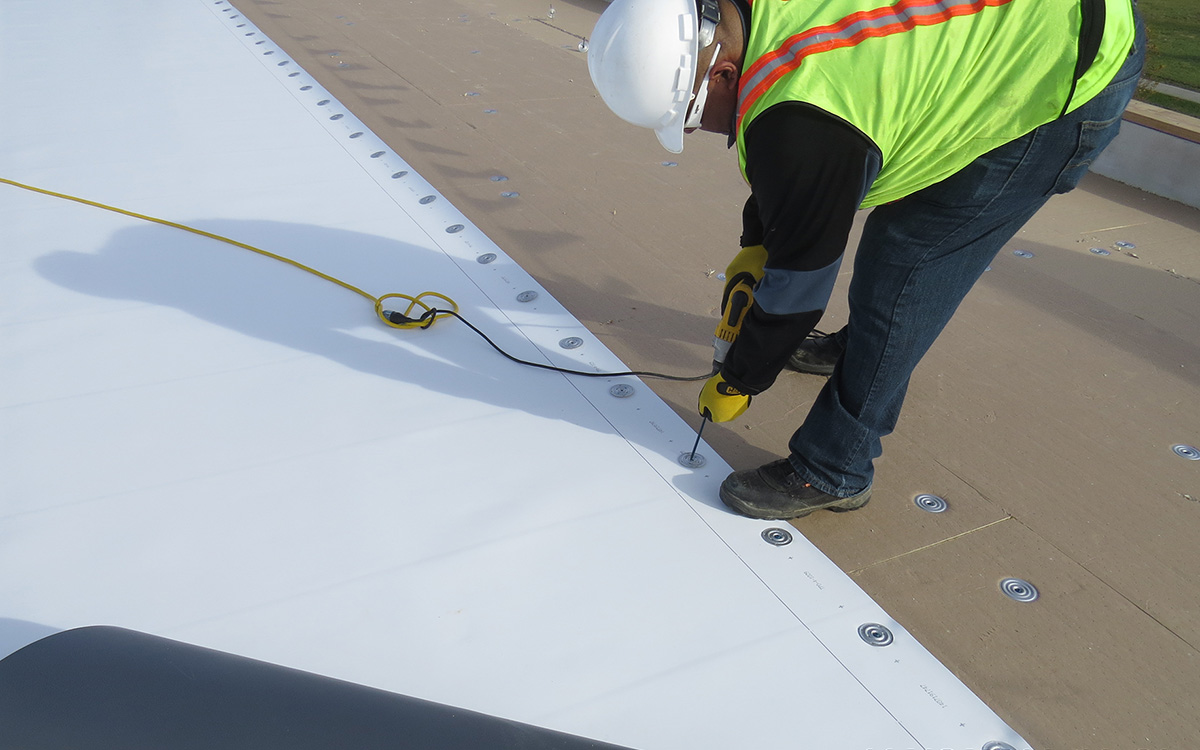
Compare restoration, recover, and replacement paths against the roof condition and the building plan.
Use scheduled inspection, repair history, and maintenance records to stay ahead of recurring problems.
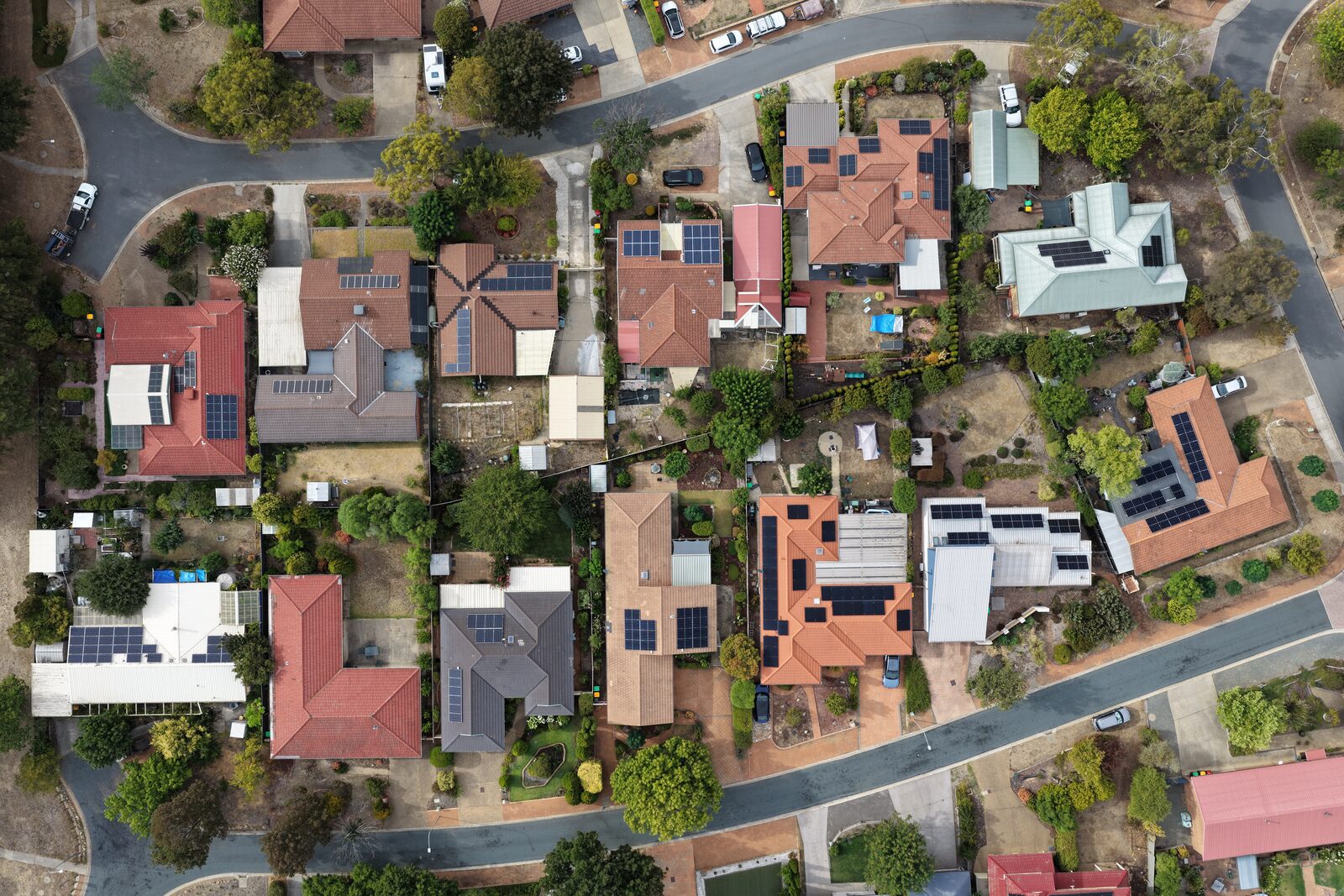
Photo-backed roof notes for repair limits, replacement planning, due diligence, and owner review.
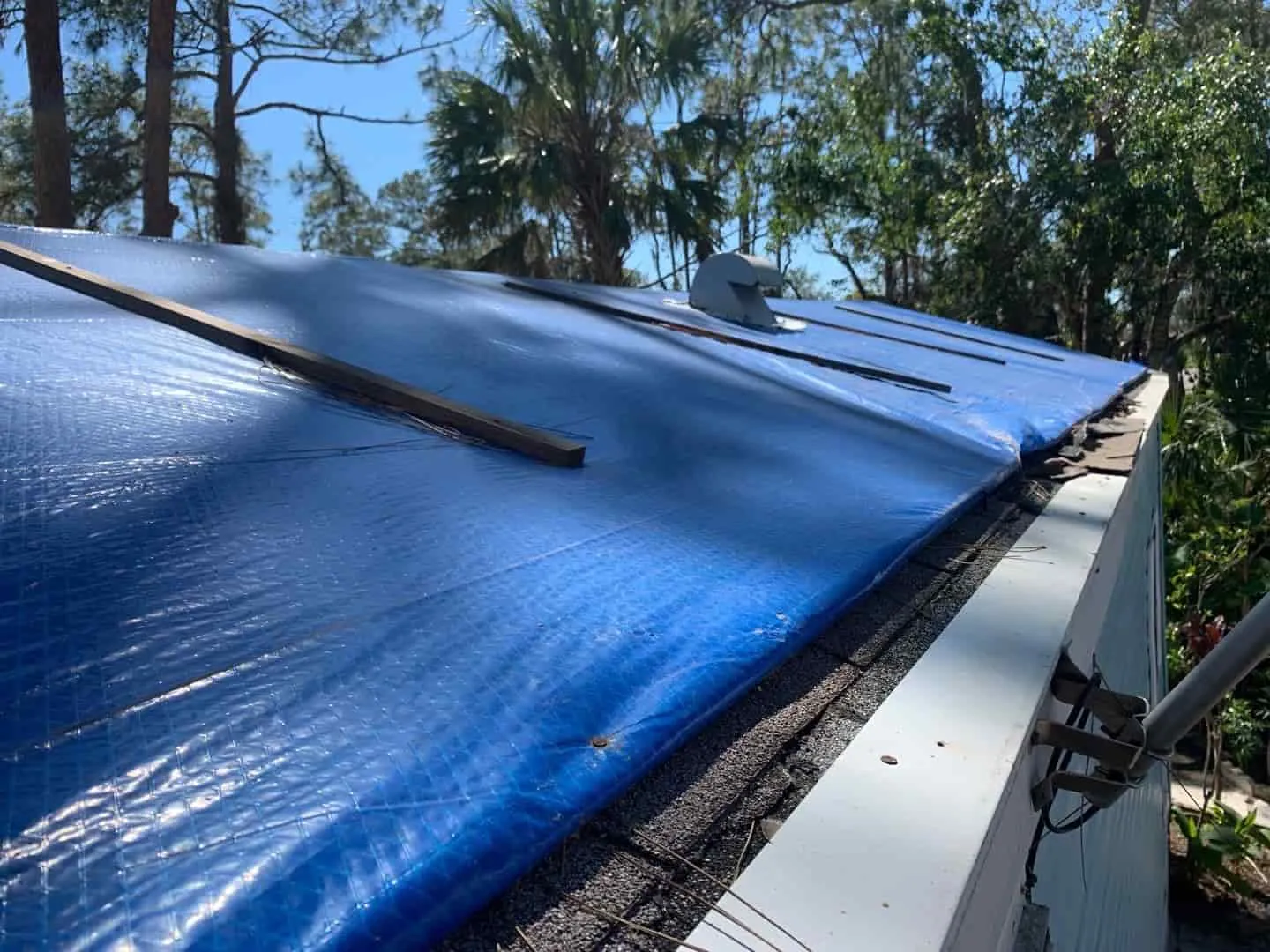
Active water entry, wind uplift, ice, snow, membrane tears, and emergency dry-in priorities.
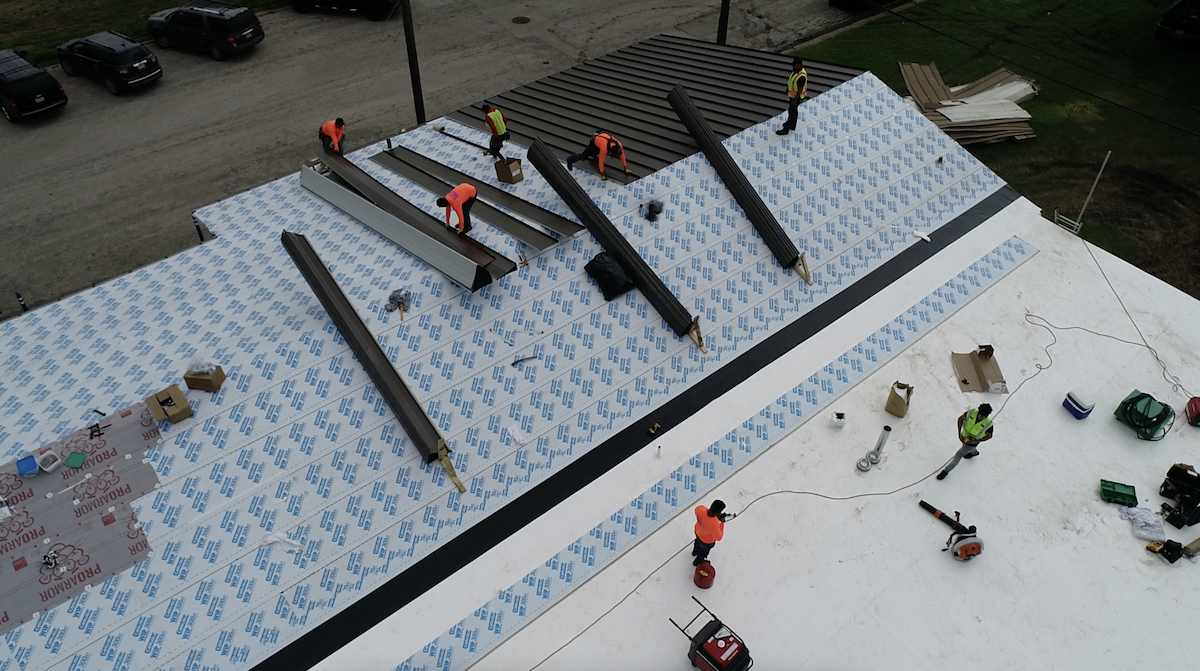
Roof scopes coordinated around tenants, loading docks, entrances, safety access, and weather windows.
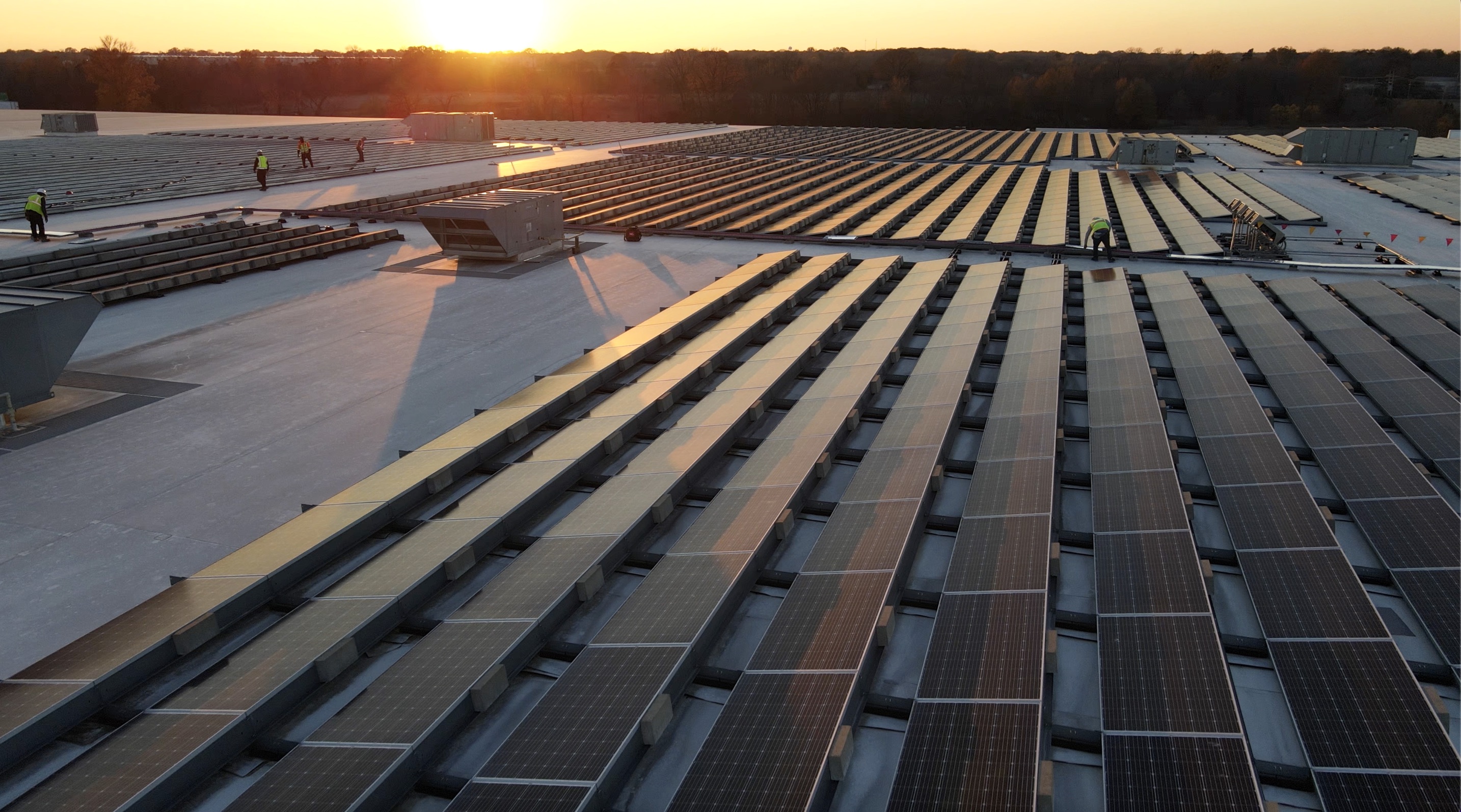
CAPEX roof planning, procurement support, warranty coordination, and multi-site roof records.
Send the building location, roof age, leak location, tenant constraints, and access notes. We will point the request toward inspection, repair scope, maintenance, replacement budgeting, or bid comparison.