Inspect Before Replacing
Document membrane condition, moisture risk, insulation, drainage, repairs, access, and the remaining options.

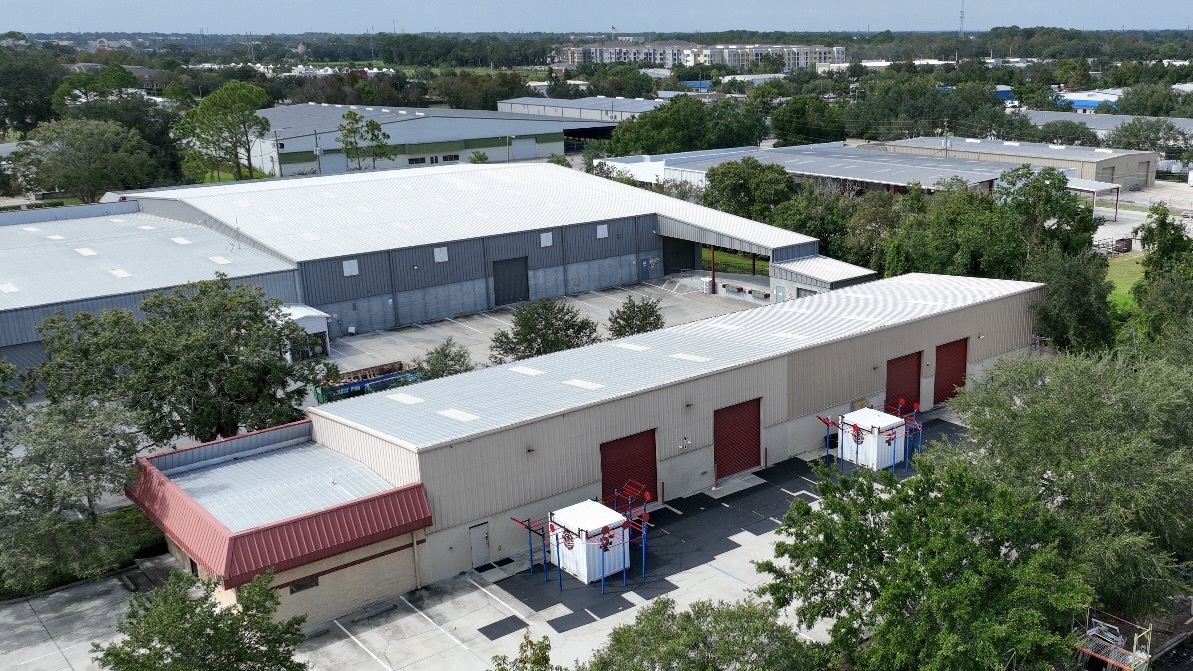
If water is entering the building, the first job is to protect the operation and locate the failure. If the roof is aging, the next job is to inspect it before a replacement budget is approved.
We help New Hampshire owners move from urgent repair to a clear choice between targeted repair, coating or restoration, recover, full replacement, and an ongoing service agreement.
Commercial Roofing of New Hampshire
Roof Drainage and Ponding Review for New Hampshire commercial properties starts with the condition in front of the owner. The field record must explain slow roof drains, blocked strainers, backed-up leaders, leaking drain bowls, undersized scuppers, missing overflow paths, or ponding that remains after rainfall, separate immediate protection from permanent work, and show how the findings affect repair, restoration, replacement, maintenance, and future capital decisions.
Before dispatch, collect the address, responsible building contact, safe access route, occupied area below the problem, time and behavior of the leak, known roof type, and any temporary protection already attempted at the New Hampshire property. The caller should not be asked to diagnose the assembly from the floor. A short description of timing, location, volume, affected equipment, and previous occurrences is more useful than guessing which roof product failed. Clear intake notes reduce wasted roof time and prevent the handoff from losing urgent details. They also create the first event in the roof history that later inspections and repair records can reference.
The owner should see the boundary between the base scope and contingent work. That includes moisture limits, substrate repair, additional layers, damaged deck, blocked piping, inaccessible details, hazardous materials, and work by other trades. Schedule assumptions also belong beside price: weather windows, material lead time, permits, shutdowns, tenant coordination, daily dry-in, and access restrictions. An unexplained low number can become an expensive sequence of changes if these constraints are omitted. When assumptions are visible, the owner can decide whether to investigate further before award or carry a controlled contingency. Either choice is stronger than discovering that two supposedly comparable bids covered different roofs.
New Hampshire, NH roofs work through snow, ice, freeze-thaw cycling, wind, and repeated winter moisture. That exposure guides the field sequence, but it does not by itself explain slow roof drains, blocked strainers, backed-up leaders, leaking drain bowls, undersized scuppers, missing overflow paths, or ponding that remains after rainfall. Interior evidence should be mapped to a roof elevation before anyone chooses a drain, wall, curb, seam, penetration, or edge as the cause. Water can move laterally through insulation, along deck flutes, or down structural elements and appear away from the opening. A useful report does not hide uncertainty. It names the unverified areas, explains why they were inaccessible, and states which follow-up observation or test would resolve the question.
A decision-grade New Hampshire roof record includes water depth and duration, debris, drain and scupper condition, membrane terminations, interior staining, discharge restrictions, roof slope, overflow provisions, and repeated ponding locations. Conditions should be organized by roof area and priority rather than buried in a chronological photo dump. The practical method is to follow water from the roof field through low points, sumps, drain bodies, clamping rings, scuppers, leaders, overflow openings, and safe discharge points. Where destructive or electronic testing is proposed, the scope should identify its purpose, limitations, and restoration procedure before work begins. Observed facts, recommended actions, completed work, and open items should never share one unlabeled list. Separating them lets an off-site approver see exactly what was authorized and what still needs a decision.
Roof-system identification changes the diagnosis. Around New Hampshire, the target page inventory includes PVC Roof Systems, TPO 80 Mil Roof Systems, and Modified Bitumen App Systems, each with its own seam, flashing, fastener, and compatibility questions. The scope should name the membrane or surface that was actually observed, identify unknown construction, and check compatibility before mastics, primers, membranes, or coatings are specified. Core information may be necessary when layers and attachment affect the option set. Drainage stays in the analysis because a sound patch cannot correct water held against a curb, an overloaded outlet, or settlement at a low point. System language should support whether cleaning is enough, whether a drain or flashing detail needs repair, or whether chronic slope and capacity problems require redesign instead of functioning as a product catalog.
A technically correct detail is only part of the job at New Hampshire properties such as REIT Roofing, Data Center Roofing, and General Contractors. The plan also has to protect people, inventory, equipment, and normal access below the roof. Document roof access, sensitive rooms and inventory, deliveries, public entrances, tenant hours, exhausts and air intakes, interior evidence, and the route used to move tools and debris. These conditions belong in the written scope before scheduling. Operating controls are roof-quality controls. Water, debris, odor, noise, or an unsecured access point can harm the owner even when the installed detail itself is correct, so those risks need owners and closeout checks.
The recommendation must answer whether cleaning is enough, whether a drain or flashing detail needs repair, or whether chronic slope and capacity problems require redesign. An isolated repair, repair program, restoration, recover assembly, and full replacement solve different condition patterns and should not be presented as interchangeable price levels. The option matrix should address present failure, remaining risk, investigation still required, installation disruption, anticipated service interval, and future maintenance. Unknown inputs should be visible rather than buried in an allowance. A smaller scope is not automatically prudent, and a larger scope is not automatically safer. The defensible option is the one whose boundaries match the documented condition and the owner's operating requirements.
The work becomes more valuable when it leads to a roof-condition review that connects drainage failures to membrane and insulation performance. A service call, inspection, and capital project should use one continuous property and roof-area history. A persistent roof file connects dates, weather, symptoms, findings, repairs, costs, and follow-up. Trends become visible: recurring locations, growing wet areas, drainage issues, or a rising frequency of unrelated failures. Commercial Roofing of New Hampshire can keep inspection and maintenance active while repair, restoration, or replacement moves through a separate project opportunity. The path remains response, evidence, the right scope, closeout, and the next scheduled roof decision.
No. The review should establish whether cleaning is enough, whether a drain or flashing detail needs repair, or whether chronic slope and capacity problems require redesign. Replacement becomes a defensible recommendation only when the field evidence, moisture, assembly condition, repair history, deck or attachment concerns, and lifecycle comparison support it.
It should document water depth and duration, debris, drain and scupper condition, membrane terminations, interior staining, discharge restrictions, roof slope, overflow provisions, and repeated ponding locations. It should also label temporary and permanent work separately, state assumptions and exclusions, and identify the inspection or service step that follows the current scope.
The immediate visit creates the first roof-area record. A follow-up inspection establishes condition and priorities. Completed repairs, recurring observations, drain service, warranties, and future recommendations are then retained so maintenance stays scheduled and larger work can be placed into the appropriate capital year.
From service call to roof plan
Stabilize the problem, document the roof, compare the viable paths, and keep the resulting roof history active.

Document membrane condition, moisture risk, insulation, drainage, repairs, access, and the remaining options.
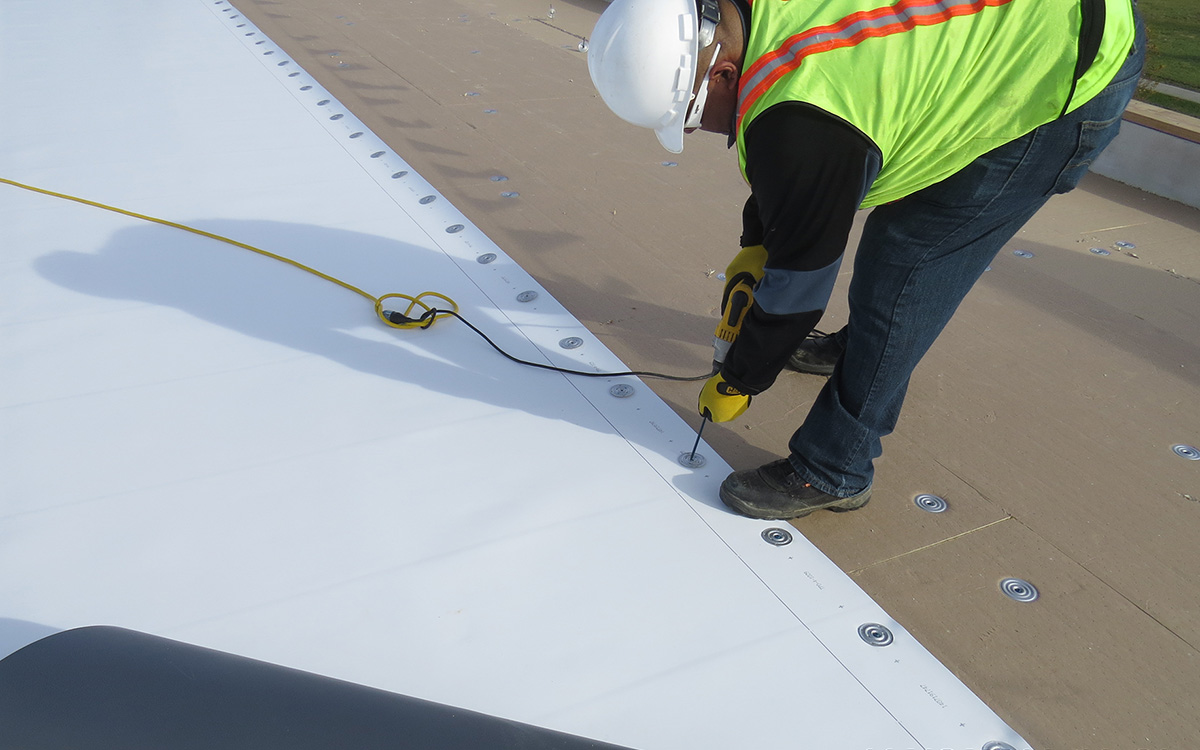
Compare restoration, recover, and replacement paths against the roof condition and the building plan.
Use scheduled inspection, repair history, and maintenance records to stay ahead of recurring problems.
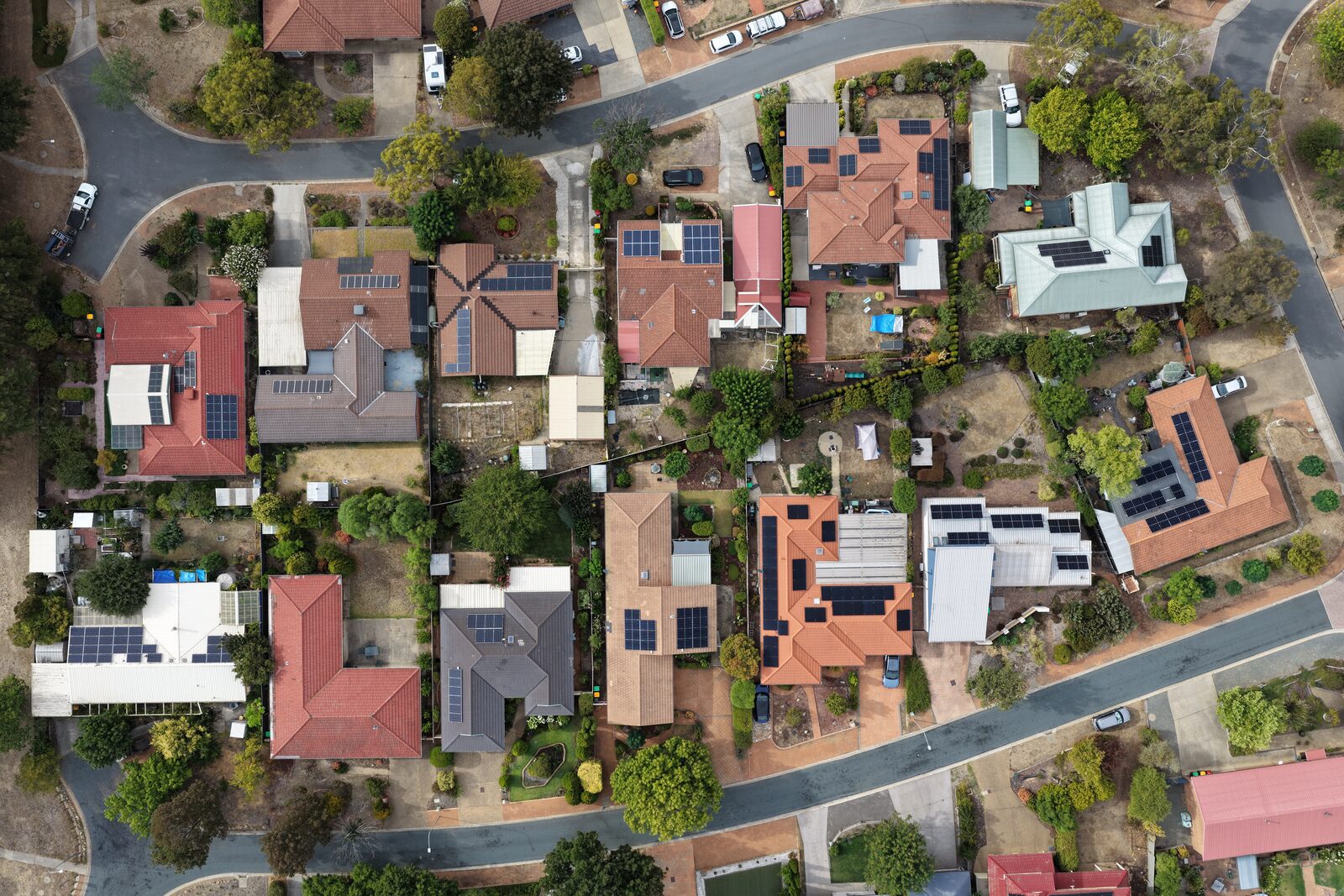
Photo-backed roof notes for repair limits, replacement planning, due diligence, and owner review.
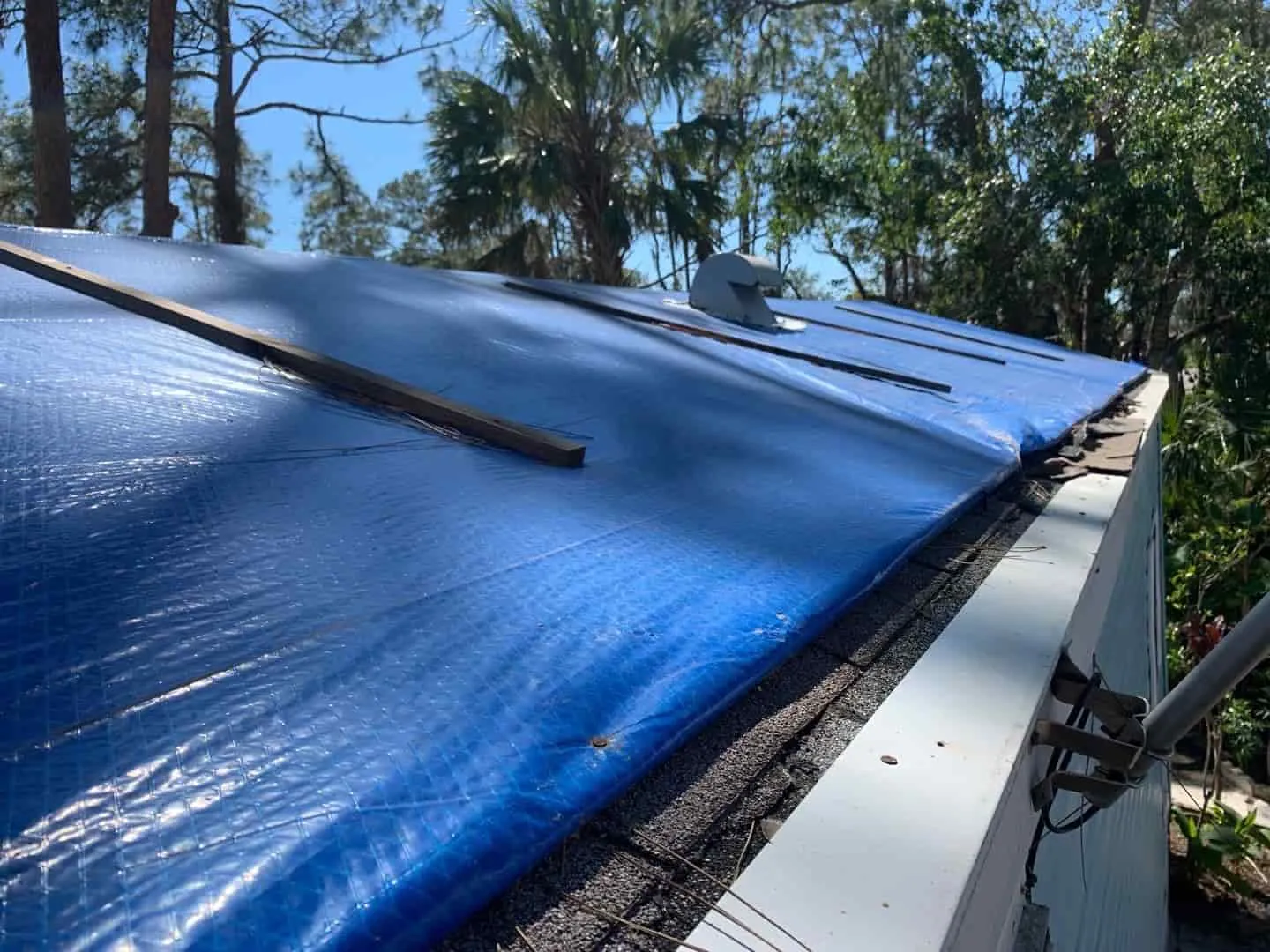
Active water entry, wind uplift, ice, snow, membrane tears, and emergency dry-in priorities.
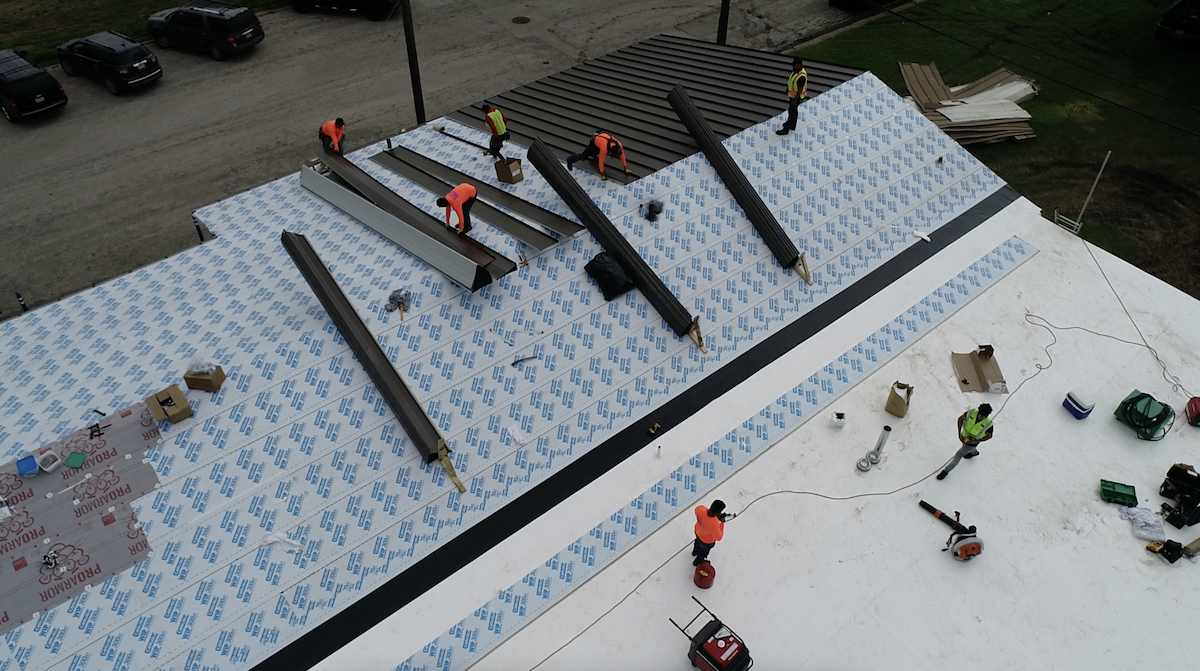
Roof scopes coordinated around tenants, loading docks, entrances, safety access, and weather windows.
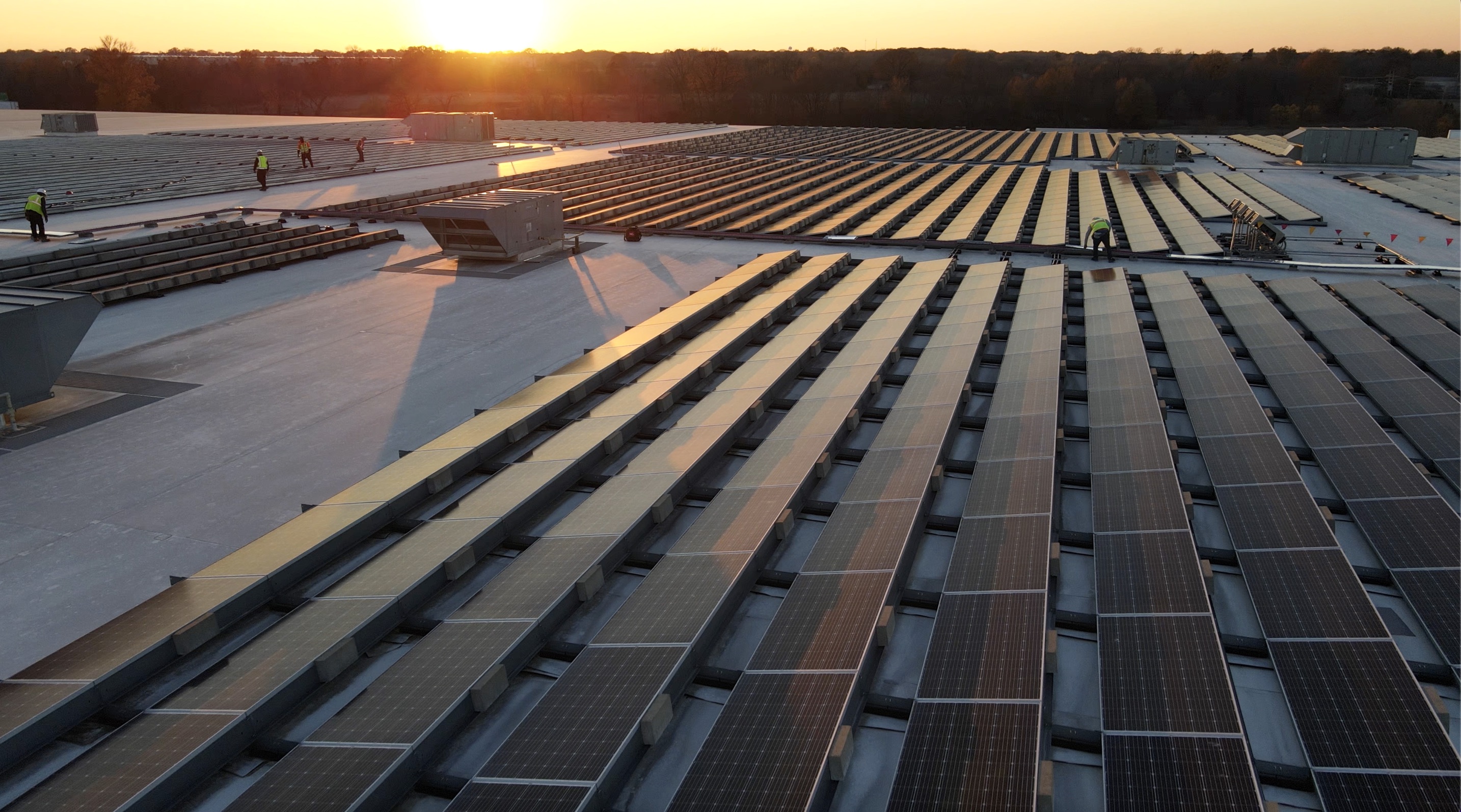
CAPEX roof planning, procurement support, warranty coordination, and multi-site roof records.
Send the building location, roof age, leak location, tenant constraints, and access notes. We will point the request toward inspection, repair scope, maintenance, replacement budgeting, or bid comparison.