Commercial Roof Leak Repair in Manchester, NH | Commercial Roofers of New Hampshire
Commercial Roof Leak Repair in Manchester, NH | Commercial Roofers of New Hampshire , New Hampshire commercial roofing.

The Elliot Hospital medical office campus on Elliot Way in Manchester, and the nearby BAE Systems electronic systems division offices in the city's South End employment corridor, represent the Class A and B office market anchors in New Hampshire's largest city. Manchester's office building stock reflects a New England climate that subjects commercial roofs to some of the harshest conditions in the continental United States: nor'easter snowstorms that deposit eighteen to twenty-four inches in a single event, ice storm cycles that load roofs with hundreds of thousands of pounds of ice, spring melt events that challenge every drainage detail, and the summer thunderstorms that bring hail and intense rainfall to Hillsborough County.
Occupied building protocols at Manchester office buildings require a level of winter-weather contingency planning that is unique to the New England market. When a nor'easter forecast calls for eighteen inches of snow, a roofing project with any exposed deck areas must have a fully developed snow and ice removal plan that specifies how the contractor will protect exposed areas, who is responsible for snow removal from staging areas, and what triggers a work suspension. The contractor's equipment and materials must be stored in ways that do not obstruct snow removal from the building's access and egress routes, which building management is required to maintain for life-safety compliance during any storm event.
Green roof options for Manchester office buildings are technically feasible but require engineering that addresses New Hampshire's full snow load spectrum. Elliot Hospital's campus buildings and similar Class A Manchester structures carry ground snow loads of forty-three pounds per square foot, and a green roof system with six inches of saturated growing medium adds twenty-five to thirty pounds per square foot of dead load before snow accumulation. This combined loading can exceed the structural capacity of many mid-century office building frames without supplemental strengthening. Any green roof evaluation for a Manchester office building should begin with a structural assessment of the existing roof framing capacity before the green roof system is specified.
HVAC coordination is the most schedule-sensitive aspect of Manchester office re-roofing projects, particularly during the late-fall shoulder period that is often the practical end of the outdoor roofing season. When HVAC equipment must be disconnected in October or November for curb reflashing, the maximum acceptable offline duration is measured in hours, not days. The contractor must pre-stage all curb flashing materials and have the complete crew in place before the disconnect order is given, ensuring that the equipment is reconnected and tested before temperatures drop to a level that requires the system for building heat. Failure to complete this sequence within the planned window is one of the most common causes of tenant complaints on New England office re-roofing projects.
New Hampshire's commercial energy code, which adopts the IECC's Climate Zone 6 provisions for the Manchester area, mandates R-30 minimum above-deck insulation for new commercial construction and triggers compliance upgrades on re-roofing projects that meet the code's threshold area. Eversource New Hampshire's commercial efficiency rebate program offers significant incentives for insulation upgrades on re-roofing projects, and the combination of an R-30 polyisocyanurate system with a white or medium-reflectance cap sheet can achieve payback on the insulation premium within five to six years through reduced heating costs in Manchester's Climate Zone 6 heating-dominated energy profile.
Lease obligations at Manchester Class A office buildings include the standard landlord covenant to maintain the building envelope in habitable condition, but New Hampshire's specific regulatory environment also imposes obligations on building owners related to ice dam formation and ice removal. New Hampshire courts have found landlords liable for injuries caused by ice that formed from roof drainage over occupied entrance canopies, and building managers who ignore documented ice dam formation on office roofs face both premises liability exposure and lease default claims from tenants whose leased space is damaged by ice dam infiltration. A roofing upgrade that includes adequate attic ventilation, parapet drainage details, and ice and water shield at eaves eliminates the liability exposure that the existing inadequate drainage details create.
Cool membrane selection for Manchester office buildings requires balancing the energy benefit of a reflective membrane against the heating-dominated energy profile of Climate Zone 6. A white TPO at SRI 90 reduces summer cooling loads but provides no benefit during Manchester's seven-month heating season. For most Manchester office buildings, a medium-reflectance membrane at SRI 40 to 60 achieves better annual energy balance than a maximum-reflectance white membrane, because it retains some solar heat gain contribution in the shoulder-season months when that gain reduces heating energy. This nuance is recognized in ASHRAE 90.1's alternative compliance path, which credits solar heat gain through low-slope roofs in heating-dominated climates.
Roof drainage management is a year-round maintenance concern for Manchester office buildings. Summer convective storms require that all drains and scuppers be clear before the storm season, and fall cleanup to remove leaf and debris accumulation from drain covers is essential before the first freeze. Winter heat cable systems require annual testing and thermostat calibration before Thanksgiving, and the results of that testing should be documented for both insurance purposes and facility maintenance records. A Manchester office building whose heat cable system is not operational when the first significant ice storm arrives in December faces both an ice dam risk and a potential insurance claim dispute if the resulting damage is attributed to deferred maintenance.
Choosing a Manchester office building roofing contractor requires verifying their New Hampshire contractor license, their ice dam mitigation experience in the New England market, and their references from occupied-building projects at comparable Class A properties. BAE Systems and similar Class A tenants in Manchester have corporate facility standards that require documented contractor qualifications before any work can begin on properties they occupy. Request the contractor's New Hampshire license certificate, their occupied-building protocol documentation, and references from at least three comparable Manchester-area office projects before making a selection.
Access, wet insulation, deck repair, edge metal, drains, temporary protection, after-hours work, and occupied-building staging change the number faster than the roof label. We verify those conditions around Merrimack before treating a square-foot price as reliable.
Often, but the sequence has to be planned. We review entrances, loading docks, patient or tenant areas, roof access, odor sensitivity, and weather windows near Milford before recommending daytime, phased, or after-hours work.
We look for wet insulation, deck condition, attachment, slope, seam condition, drain performance, and edge-metal risk. If the roof around Manchester AP station USW00014710 is dry and stable, preservation options stay on the table. If moisture or deck damage is spreading, replacement planning becomes more defensible.
Typical documentation includes roof-area notes, photo locations, leak or damage observations, priority levels, repair limits, access constraints, and budget categories. On storm work, we provide contractor-side roof evidence without promising insurance outcomes.
Timing depends on weather, crew load, access, and whether interior water is active. We triage emergency conditions first, especially when water is entering occupied space near airport hangars and logistics roofs, and then separate temporary dry-in from permanent scope.
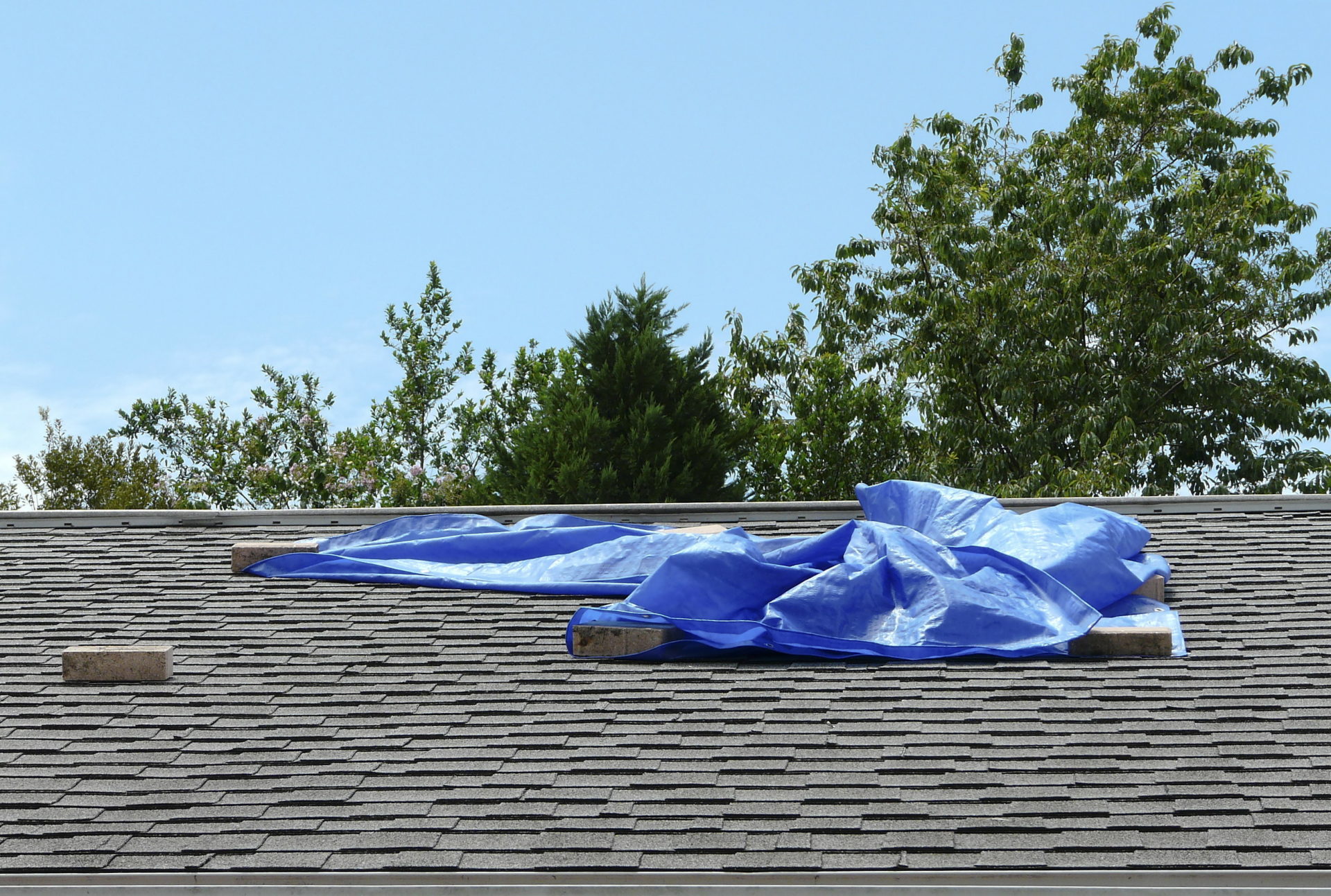
Commercial Roof Leak Repair in Manchester, NH | Commercial Roofers of New Hampshire , New Hampshire commercial roofing.
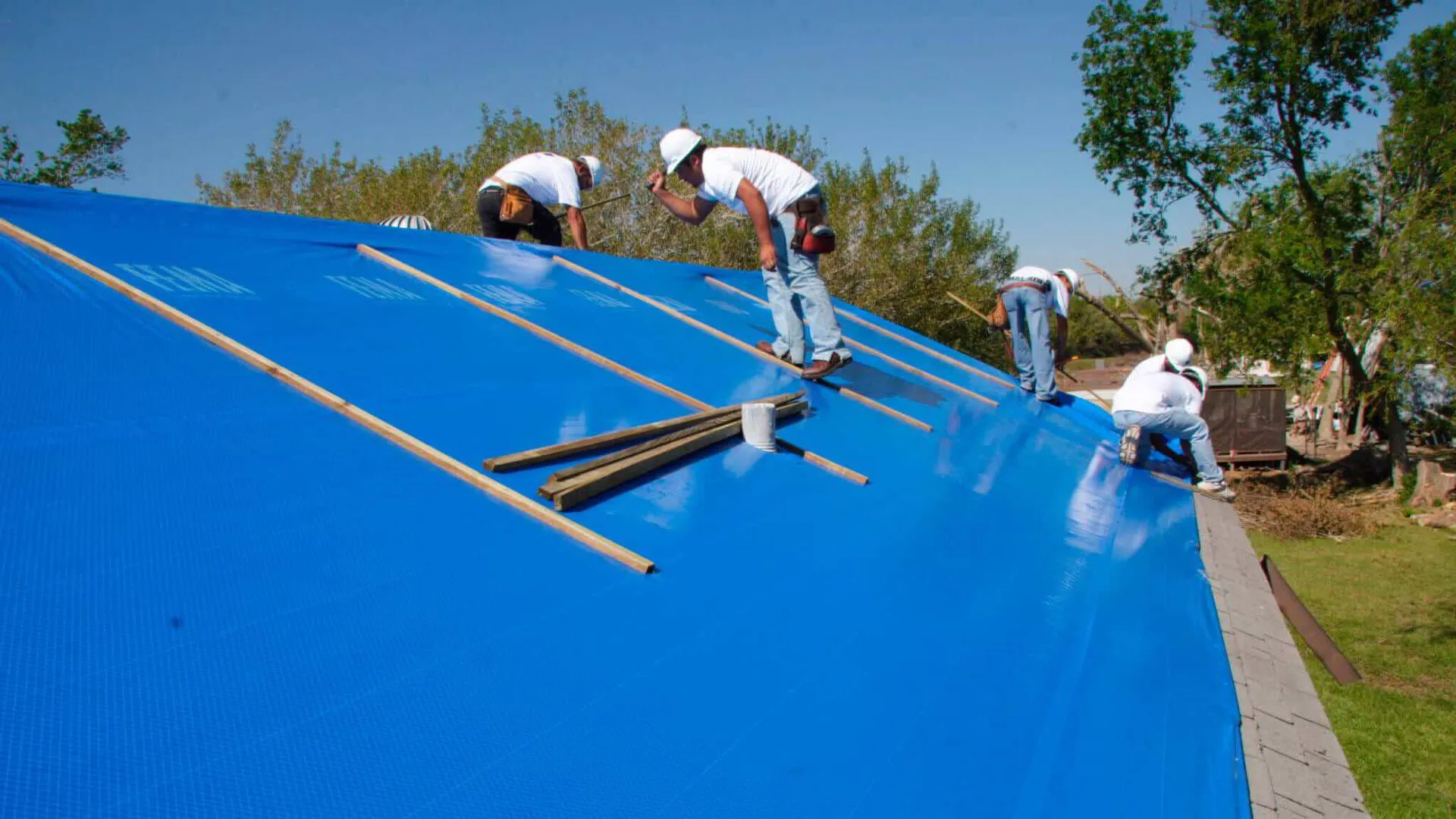
Storm Damage Roof Repair in Manchester, NH | Commercial Roofers of New Hampshire , New Hampshire commercial roofing.
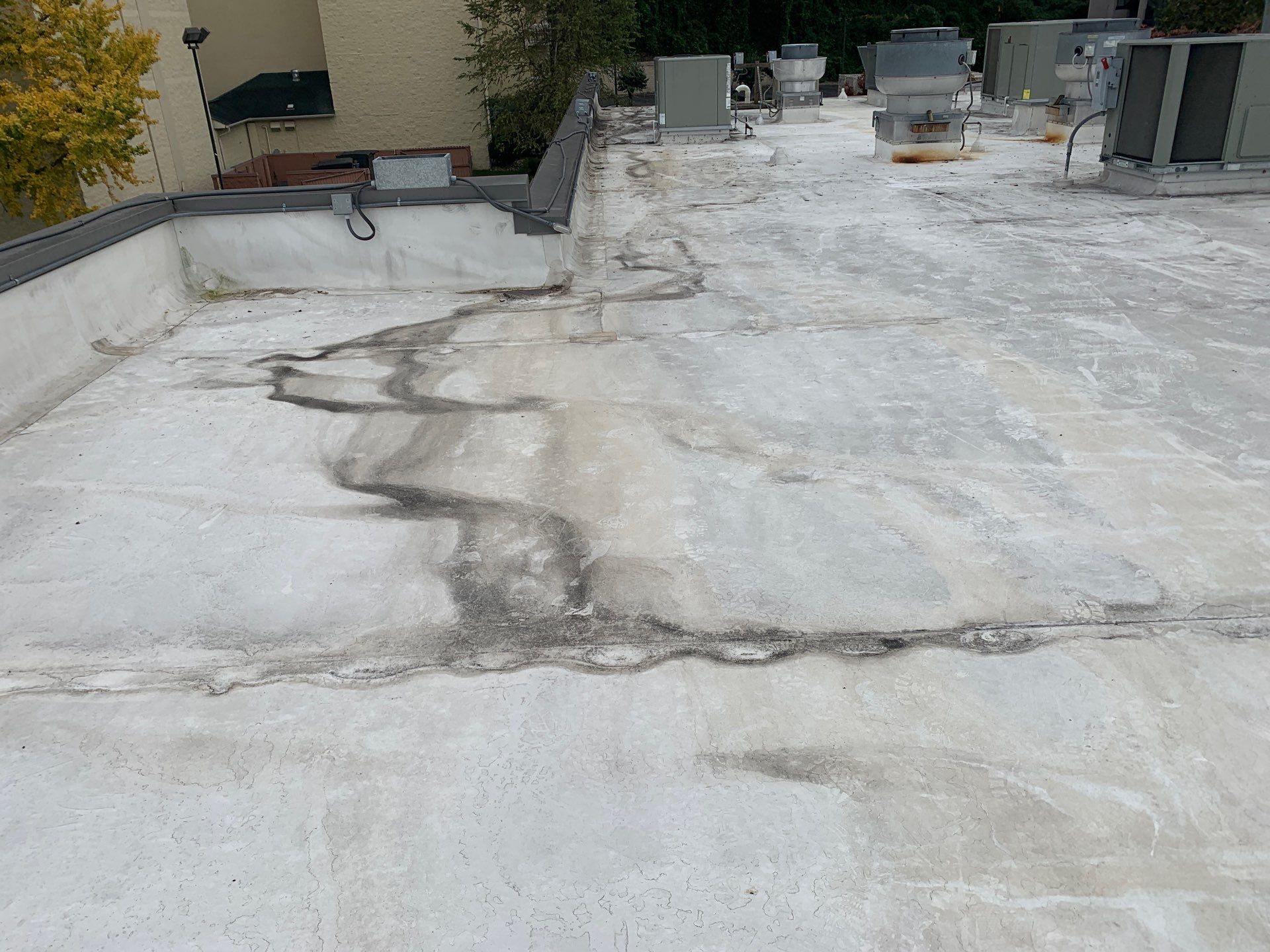
Wind Damage Roof Restoration in Manchester, NH | Commercial Roofers of New Hampshire , New Hampshire commercial roofing.
Send the building location, roof age, leak location, tenant constraints, and access notes. We will point the request toward inspection, repair scope, maintenance, replacement budgeting, or bid comparison.
Contact Us