Commercial Roof Leak Repair in Manchester, NH | Commercial Roofers of New Hampshire
Commercial Roof Leak Repair in Manchester, NH | Commercial Roofers of New Hampshire , New Hampshire commercial roofing.

Manchester, New Hampshire's public buildings must contend with one of New England's most demanding seasonal roofing environments. City Hall on Elm Street, the Manchester District Court building, the main branch of the Manchester City Library on Pine Street, and the constellation of fire stations serving the Queen City's nine wards all face winters capable of depositing several feet of snow in a single storm cycle. Ice damming along eaves, freeze-thaw cycling that accelerates membrane fatigue, and the abbreviated spring and fall windows available for roofing installation make municipal facility work in Manchester a project management exercise as much as a technical one.
The City of Manchester Purchasing Department administers competitive procurement for public facility roofing contracts above the formal bidding threshold. Solicitations are posted on the city's website and through the New Hampshire Bureau of Purchase and Property's vendor registration system. New Hampshire state law governs public bidding procedures, and Manchester's purchasing ordinances align closely with state requirements. Sealed bids are opened publicly, and the meeting minutes and bid tabulations are maintained as public records. Contractors pursuing city work should maintain current vendor registration with both Manchester and the state system to ensure they receive electronic notifications when relevant projects are posted.
New Hampshire's prevailing wage law applies to public construction contracts funded by the state, but the interaction with federal requirements on Manchester projects deserves careful attention. The city's capital improvement program often draws on federal Community Development Block Grant entitlement funds administered through HUD, and HUD-assisted projects trigger Davis-Bacon Act requirements independently of state law. Manchester has also received federal EPA brownfields and infrastructure grants tied to facility upgrades, and these programs carry their own compliance obligations. Contractors should request a copy of the project's funding source documentation from the city before finalizing a bid to understand the full wage compliance picture.
Manchester's fire stations are distributed across compact urban wards and mixed-use neighborhoods where site logistics present real constraints. Station , for example, sit on parcels with limited staging area, neighboring neighborhood and commercial uses, and street access that cannot be blocked during ladder truck response. Work plans submitted to the Manchester Fire Department facilities manager must address how materials will be delivered, where they will be staged, and how noise and debris will be managed in proximity to occupied buildings. These operational details influence how bids are structured and how project schedules are presented.
Several properties in Manchester's downtown core, including the City Hall building itself, are listed on the New Hampshire State Register of Historic Places. The New Hampshire Division of Historical Resources reviews proposed exterior alterations to registered properties and provides guidance under the Secretary of the Interior's Standards. Roofing replacements on these structures typically require the use of materials that replicate the historic appearance when visible from public vantage points, and the preservation of original architectural metalwork including copper gutters, cornices, and flashing details where structurally feasible. Engaging NHDHR staff early in project design prevents costly revisions to bid documents after the review process surfaces concerns.
Energy performance requirements for Manchester's public facilities have evolved with New Hampshire's updated energy codes and the city's participation in the New Hampshire Energy Efficiency and Clean Energy Districts program. For a climate with significant heating degree days, the dominant energy roofing strategy is thermal performance: continuous insulation with R-values meeting or exceeding ASHRAE 90.1 requirements for Climate Zone 6, airtight assembly details, and drainage systems designed to prevent standing water from degrading insulation effectiveness. Cool-roof requirements that make sense in southern climates are balanced here against the need to capture winter solar heat gain, and specifications are written accordingly.
Bonding requirements on Manchester public roofing contracts follow New Hampshire statutory guidance. Bid bonds of five percent of the total bid are standard at submission. Performance and payment bonds, each at 100 percent of the awarded contract value, are required before the notice to proceed is issued. New Hampshire does not maintain its own approved surety list but requires that surety companies be licensed to write bonds in the state and be listed on the Federal Treasury's Circular 570. Contractors whose surety relationships are limited in capacity should be attentive to the contract value thresholds above which additional collateral or co-suretyship becomes necessary.
The Manchester Public Library's main branch and its branch facilities at Webster and Goffstown Road serve as community gathering spaces that cannot sustain prolonged disruption. Roofing work phasing plans on library buildings must account for patron and staff access, the protection of exterior book return infrastructure, and the HVAC interactions that become critical when sections of the roof are temporarily open. Library administration has historically been willing to work with contractors on weekend or early-morning scheduling for the noisiest phases of demolition, but these arrangements must be documented in the contract and confirmed in writing before mobilization.
Contractor qualifications on Manchester public projects extend beyond license and bonding. The city has moved toward including references and relevant project experience as evaluated criteria in some solicitation formats, particularly for larger or more technically complex facility projects. A roofing contractor who can cite completed municipal contracts in New Hampshire's climate zone, provide contact references from other public clients, and demonstrate familiarity with the documentation requirements of federal-aid projects will score more competitively across Manchester's evaluation criteria than a firm with price alone as its differentiator.
Access, wet insulation, deck repair, edge metal, drains, temporary protection, after-hours work, and occupied-building staging change the number faster than the roof label. We verify those conditions around Merrimack before treating a square-foot price as reliable.
Often, but the sequence has to be planned. We review entrances, loading docks, patient or tenant areas, roof access, odor sensitivity, and weather windows near Milford before recommending daytime, phased, or after-hours work.
We look for wet insulation, deck condition, attachment, slope, seam condition, drain performance, and edge-metal risk. If the roof around Manchester AP station USW00014710 is dry and stable, preservation options stay on the table. If moisture or deck damage is spreading, replacement planning becomes more defensible.
Typical documentation includes roof-area notes, photo locations, leak or damage observations, priority levels, repair limits, access constraints, and budget categories. On storm work, we provide contractor-side roof evidence without promising insurance outcomes.
Timing depends on weather, crew load, access, and whether interior water is active. We triage emergency conditions first, especially when water is entering occupied space near airport hangars and logistics roofs, and then separate temporary dry-in from permanent scope.
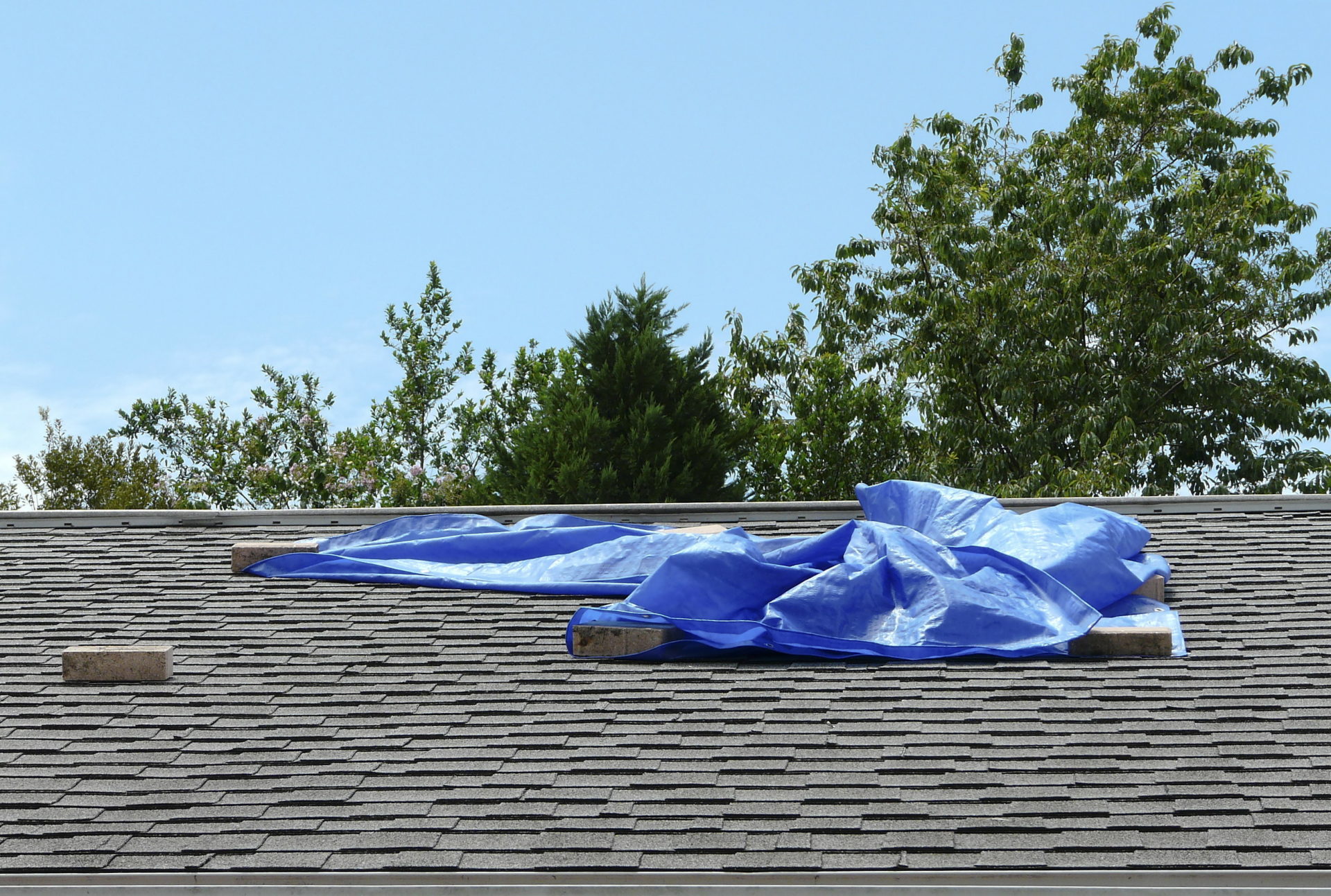
Commercial Roof Leak Repair in Manchester, NH | Commercial Roofers of New Hampshire , New Hampshire commercial roofing.
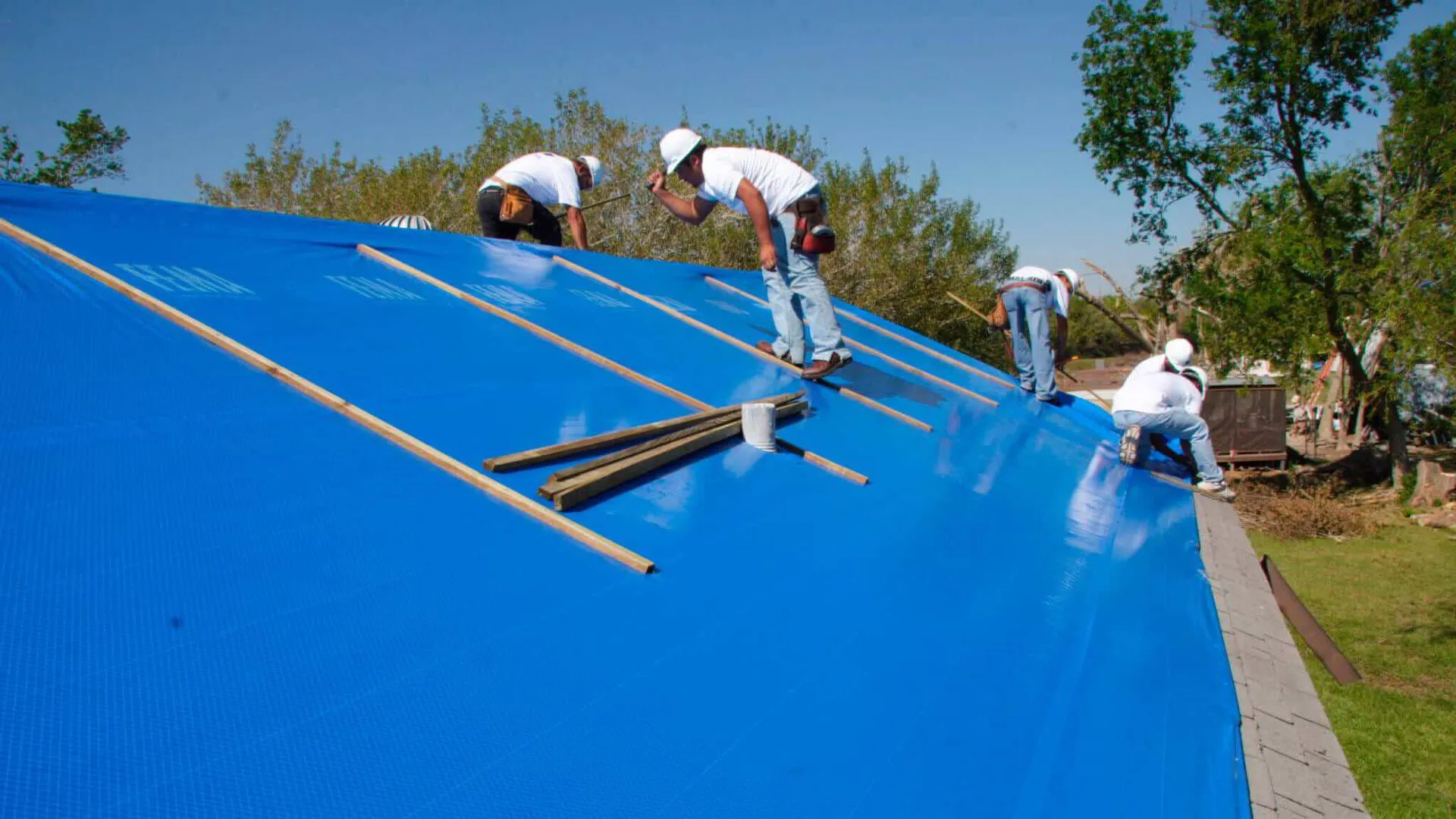
Storm Damage Roof Repair in Manchester, NH | Commercial Roofers of New Hampshire , New Hampshire commercial roofing.
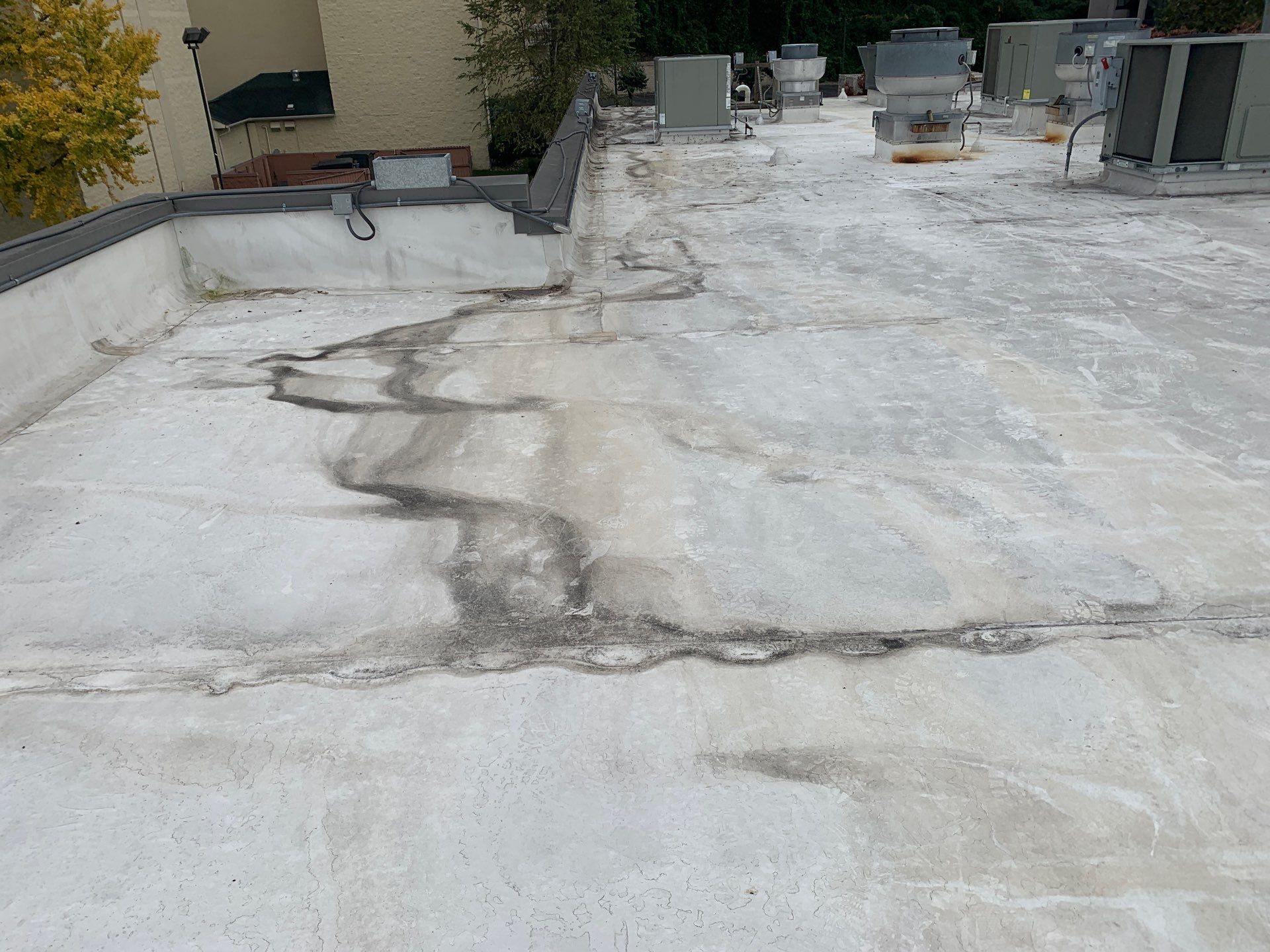
Wind Damage Roof Restoration in Manchester, NH | Commercial Roofers of New Hampshire , New Hampshire commercial roofing.
Send the building location, roof age, leak location, tenant constraints, and access notes. We will point the request toward inspection, repair scope, maintenance, replacement budgeting, or bid comparison.
Contact Us