Commercial Roof Leak Repair in Manchester, NH | Commercial Roofers of New Hampshire
Commercial Roof Leak Repair in Manchester, NH | Commercial Roofers of New Hampshire , New Hampshire commercial roofing.

Manchester's restaurant scene has evolved considerably over the past decade, with the Millyard's converted brick mill buildings now housing craft breweries and gastropubs alongside the Elm Street dining corridor that anchors downtown foot traffic on weekends. Whether the building is a 19th-century textile mill turned taproom or a franchise strip center near Manchester-Boston Regional Airport, the flat and low-slope roofs above New Hampshire food-service operations face a climate that tests every material and every installation detail through freeze-thaw cycles, ice storms, and the weight of wet Nor'easter snow.
New Hampshire's climate imposes a demanding annual cycle on restaurant roofs. Manchester averages over 60 inches of snowfall per year, and the rain-on-snow events that characterize late winter and early spring load flat roofs with dense, water-saturated accumulations that far exceed the weight of dry powder. Restaurant operators in the Millyard district and along South Willow Street's commercial corridor should verify that their building's roof deck carries a certified snow load rating that accounts for these wet-snow events rather than relying on a design that assumes average conditions. A roofing contractor assessing a Manchester restaurant for re-roof should include a structural observation as part of the initial site visit.
Grease exhaust flashing is a year-round concern in Manchester, but winter introduces a complication that southern markets never face: grease that condenses and freezes inside exhaust stacks can restrict airflow, causing backdraft conditions that push greasy vapor laterally under base flashings rather than straight up and out. When those vapors cool under the membrane, they leave grease deposits at the base of penetration flashings that are invisible from above but detectable on infrared surveys by the differential heating they create. Manchester roofing crews who work regularly on restaurants watch for this pattern during inspection and treat affected flashing transitions with compatible cleaner before new sealant is applied.
The brewery and taproom sector in Manchester, centered in the Millyard and expanding into the West Side industrial pockets, deals with roofing challenges that combine the ventilation demands of commercial brewing with the moisture management issues inherent in old masonry construction. Mill buildings have parapet walls that can trap debris and hold water at the roof-wall transition, and older built-up roofing systems that have been patched repeatedly since the 1980s are often hiding saturated fiberglass insulation that has long since lost meaningful R-value. When a Millyard taproom schedules a re-roof, the scope almost always includes parapet cap replacement and counter-flashing work that is as important as the field membrane itself.
Fast-food operators and QSR franchises along South Willow Street, Hooksett Road, and the commercial stretches near Exit 5 off I-293 have roofing maintenance cycles tied to franchise renewal schedules and corporate property standards. Manchester's building permit office and the state's contractor licensing requirements add compliance layers that franchise maintenance coordinators need to account for when sourcing local roofing bids. New Hampshire requires contractor licensure through the Office of Professional Licensure and Certification, and franchise corporate teams that accept bids from unlicensed crews can face warranty invalidation that creates expensive liability when a roof fails during its supposed coverage period.
Walk-in coolers in Manchester restaurants create the same vapor management risks seen across New England cold-climate markets, but the age of the building stock in downtown Manchester adds a wrinkle. Many older commercial buildings were constructed without any vapor control layer in the roof assembly, and decades of moisture infiltration from both kitchen steam and condensation around refrigeration curbs have left insulation assemblies in compromised condition. Nuclear moisture surveys, which provide quantitative moisture content measurements across the entire roof area, are more accurate than visual inspection alone on Manchester's older restaurant buildings and should be standard scope before any full replacement project is bid and priced.
Health inspections by the Manchester City Health Department and the New Hampshire Division of Public Health Services include physical plant observations when inspectors visit food-service establishments. A slow leak that has stained ceiling tiles in a prep kitchen, condensation dripping from ductwork that traces back to saturated roof insulation, or pest entry points at deteriorated flashing are all conditions that can generate violations requiring documented correction. Manchester restaurant owners who maintain a roofing service contract with a local commercial contractor have a clear path to fast repair documentation and the kind of written repair history that satisfies re-inspection requirements without extended back-and-forth with the inspector's office.
TPO membrane systems are the most common specification for Manchester commercial restaurant re-roofs because the material's cold-climate weld performance, combined with its resistance to grease degradation and UV exposure, addresses the full range of stresses a Manchester roof encounters across the four seasons. Insulation specifications for Manchester food-service buildings should target R-30 or better to satisfy New Hampshire energy code requirements for commercial occupancies, and recovery board installation above existing insulation layers improves both the quality of the membrane attachment and the surface for heat-welding seams. Specifying thicker insulation at the design stage is far less expensive than addressing energy code deficiencies after installation.
The best time to schedule a commercial re-roof in Manchester is late summer through mid-September, when temperatures are reliably above 50 degrees Fahrenheit through the installation window and before the Nor'easter season begins in earnest. Projects that slip into October face increasing rain risk and the possibility of early freezes that compromise weld quality for inexperienced crews. Manchester restaurant owners who get an inspection and permit application submitted by August can typically complete a re-roof before the first hard freeze and before the holiday season ramps up kitchen activity to a level that makes phased work more disruptive.
Access, wet insulation, deck repair, edge metal, drains, temporary protection, after-hours work, and occupied-building staging change the number faster than the roof label. We verify those conditions around Merrimack before treating a square-foot price as reliable.
Often, but the sequence has to be planned. We review entrances, loading docks, patient or tenant areas, roof access, odor sensitivity, and weather windows near Milford before recommending daytime, phased, or after-hours work.
We look for wet insulation, deck condition, attachment, slope, seam condition, drain performance, and edge-metal risk. If the roof around Manchester AP station USW00014710 is dry and stable, preservation options stay on the table. If moisture or deck damage is spreading, replacement planning becomes more defensible.
Typical documentation includes roof-area notes, photo locations, leak or damage observations, priority levels, repair limits, access constraints, and budget categories. On storm work, we provide contractor-side roof evidence without promising insurance outcomes.
Timing depends on weather, crew load, access, and whether interior water is active. We triage emergency conditions first, especially when water is entering occupied space near airport hangars and logistics roofs, and then separate temporary dry-in from permanent scope.
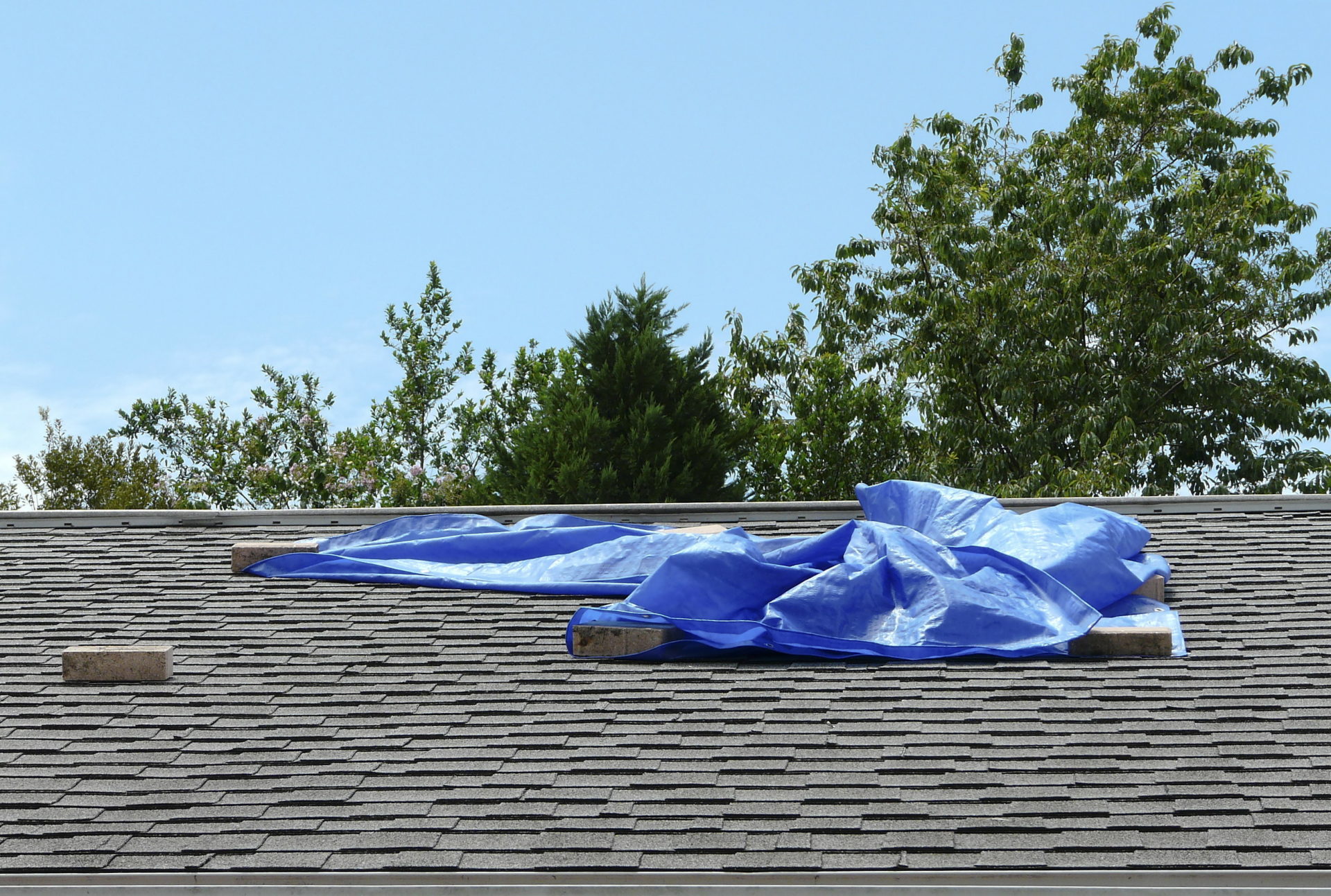
Commercial Roof Leak Repair in Manchester, NH | Commercial Roofers of New Hampshire , New Hampshire commercial roofing.

Storm Damage Roof Repair in Manchester, NH | Commercial Roofers of New Hampshire , New Hampshire commercial roofing.
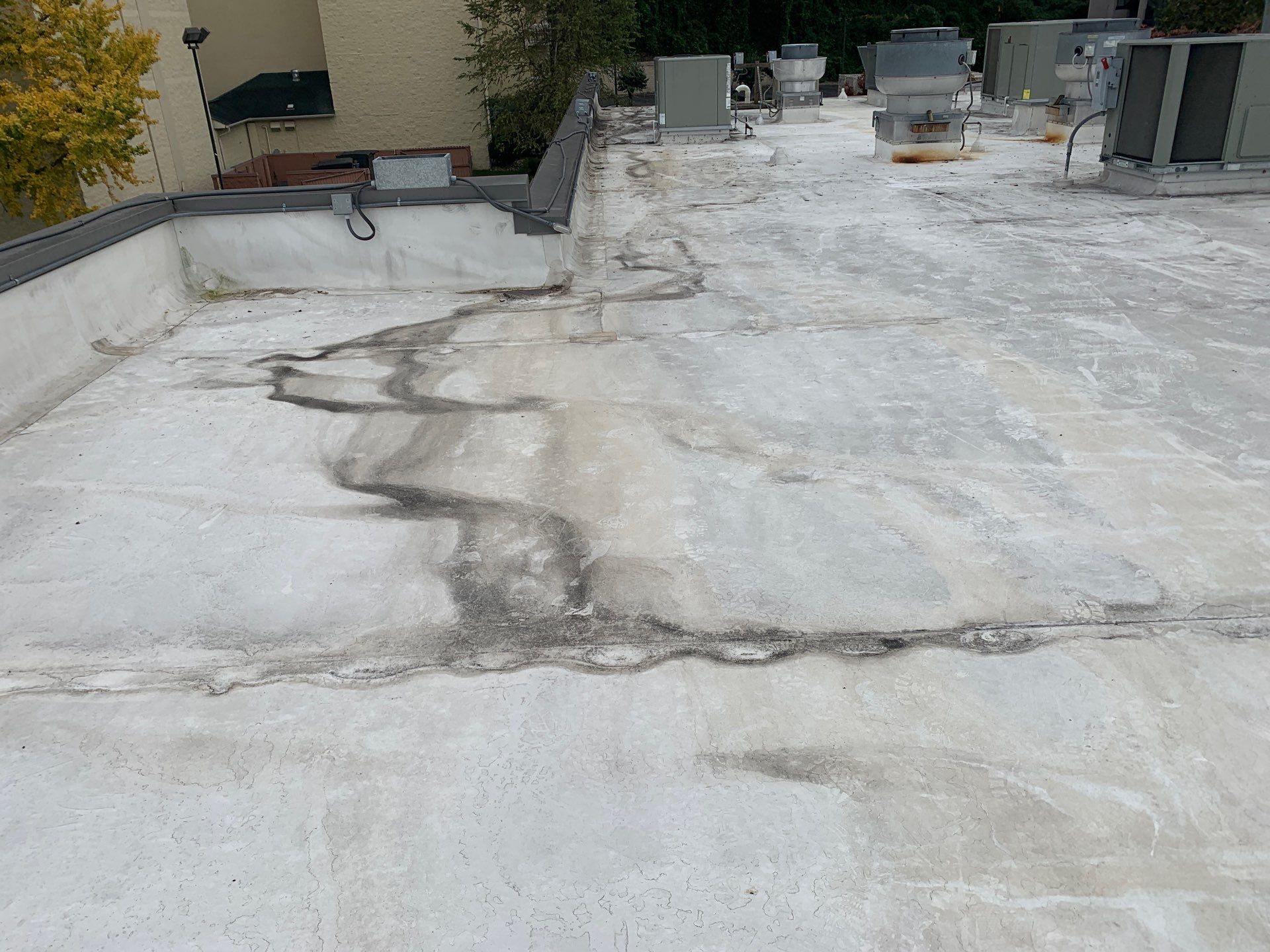
Wind Damage Roof Restoration in Manchester, NH | Commercial Roofers of New Hampshire , New Hampshire commercial roofing.
Send the building location, roof age, leak location, tenant constraints, and access notes. We will point the request toward inspection, repair scope, maintenance, replacement budgeting, or bid comparison.
Contact Us