Commercial Roof Leak Repair in Manchester, NH | Commercial Roofers of New Hampshire
Commercial Roof Leak Repair in Manchester, NH | Commercial Roofers of New Hampshire , New Hampshire commercial roofing.

Every commercial PV array sits on a roof, and the roof is where most solar problems are born and where almost all of them get blamed. We are not a solar developer and we do not sell panels. We are the commercial roofing contractor that the building owner and the solar installer both rely on to make sure the surface under the array is sound, the attachments are watertight, and the membrane warranty is still alive after the last module is energized. On the flat and low-slope roofs that cover Manchester's commercial buildings, that work is detailed enough that we treat it as its own discipline rather than an afterthought to the electrical scope.
When an owner along the South Willow Street retail strip, inside one of the brick mill buildings in the Millyard, or out at a distribution building near the Manchester-Boston Regional Airport asks us to support a solar project, the conversation starts with the roof's condition and ends with a coordinated set of warranties. Everything in between is roofing.
A PV system is built to generate for a quarter-century or more. If we let it go up on a membrane with eight years left, the owner has guaranteed themselves a future bill to detach the whole array, reroof, and reset it , and that detach-and-reset alone routinely runs tens of thousands of dollars on a mid-size system, with the array dark the entire time. So before any layout gets drawn we core the existing assembly where appropriate, check seam and flashing condition, and give an honest estimate of how many years the roof has left.
The decision tree is simple once we have that number. Plenty of life remaining, and we prepare the existing membrane and proceed. Marginal life, and the responsible move is almost always to reroof first so the array lands on a fresh, fully warranted surface and never has to come off early. We have walked owners through both outcomes, and we would rather lose a few weeks to a reroof than watch a six-figure generating asset get stranded on a roof that quit underneath it.
On a low-slope commercial roof there are two attachment strategies, and each one lands squarely in the roofer's lap.
Membrane type dictates how those holes get closed. TPO calls for heat-welded clad penetrations or approved pourable sealer pockets; EPDM needs the correct primer, cured cover strip, and seam tape; PVC needs PVC-weldable boots. The racking vendor's standoff is a structural part, not a waterproofing part , it does not seal anything. We insist on detailing every penetration ourselves rather than handing our membrane to a racking crew, because the instant a non-roofer cuts and patches the waterproofing, the manufacturer's warranty is in jeopardy.
Southern New Hampshire carries a real ground snow load, and a ballasted array adds permanent dead load that stacks on top of whatever snow piles up over the winter. We will not endorse a ballast layout until a structural engineer confirms the deck and framing can carry the array plus the design snow load with margin to spare. The older Millyard buildings deserve particular scrutiny here , their roof structures were framed long before anyone imagined a field of solar modules and ballast blocks living up there permanently, and we have seen proposed layouts that quietly outran the original deck capacity.
Wind uplift is the counterweight to all that dead load. An array is effectively a grid of small wings, and wind can lift it, peel its leading edge, or scour ballast pads out of position. Ballasted systems fight uplift with weight and aerodynamic deflectors; attached systems fight it with anchor pullout strength. Either way the uplift math has to agree with how the membrane itself is fastened , when the array's hold-down pattern works against the membrane's attachment pattern, you get localized flutter and seams that fatigue early. We reconcile the racking plan against the membrane attachment plan so the two are pulling together instead of against each other.
In our experience the array feet are rarely the first thing to leak , the conduit is. Wiring has to travel from the modules down into the building's electrical room, and that run crosses the roof to a penetration point. Strapped flat against the membrane, conduit grinds a wear groove through it over a few seasons of expansion and contraction. Run through a generic off-the-shelf boot instead of a roofer-installed conduit flashing, it becomes a slow chronic leak that goes unnoticed until insulation is saturated. We want conduit carried on raised standoff blocks that keep it off the surface, and we want every roof penetration flashed by our crew before the electrician pulls a single wire.
This is the part of a solar project owners hear about least and pay for most. The membrane carries its own manufacturer's warranty; the PV system carries equipment and workmanship warranties of its own. The major single-ply manufacturers will keep a roof warranty in force beneath an array , but only when the installation honors their published requirements: approved ballast and walkway pads protecting the membrane between racks, approved penetration details, and in most cases a pre-installation review by the manufacturer's field representative.
We run that review on the owner's behalf. We document the membrane's condition, submit the proposed array layout for the manufacturer's sign-off, supervise the penetration detailing in the field, and capture the photo record both warranties require for registration. What the owner ends up with is a single, coherent paper trail where the roofer and the solar installer are not pointing fingers if a leak appears , there is a clear record of who touched what, and a roof warranty that survived the solar installation intact.
Remaining service life settles it. With plenty of years left we prepare the existing membrane and proceed; with the roof near the end of its life, reroofing first almost always costs less than the eventual detach-and-reset of the array. We give you the service-life estimate so the choice rests on the roof's real condition.
Not always. Ballasted racking holds an array down with weighted trays and need never break the membrane, which is ideal where the structure can carry the load and snow. Where weight limits rule that out, mechanically attached racking is used and we individually flash every foot to the membrane manufacturer's detail.
Not when it is built to the manufacturer's rules. The major makers keep coverage in force under an array when ballast pads, walkway pads, and penetration details are approved and a field rep reviews the layout beforehand. We manage that review and gather the documentation.
A reflective TPO or PVC system is the usual call , the cooler surface beneath the modules helps the array's output and gives the racking a uniform, stable base. Where ballast weight is tight, a fully adhered system is the better fit.
Yes. The membrane goes in and gets inspected before any racking is set, and we flash the conduit penetrations before wire is pulled. We hold a pre-construction meeting with the solar EPC to lock down conduit routing, penetration details, and the inspections each warranty requires.
If you are weighing rooftop solar on a commercial building anywhere in Manchester or the surrounding Hillsborough County towns, talk to us before you commit to a solar EPC. We will assess the membrane, give you a straight answer on whether to reroof first, and make sure whatever array goes up does so on a roof built to outlast it. Call or request a roof review and we will get you a condition assessment scoped to your building and your solar plans.
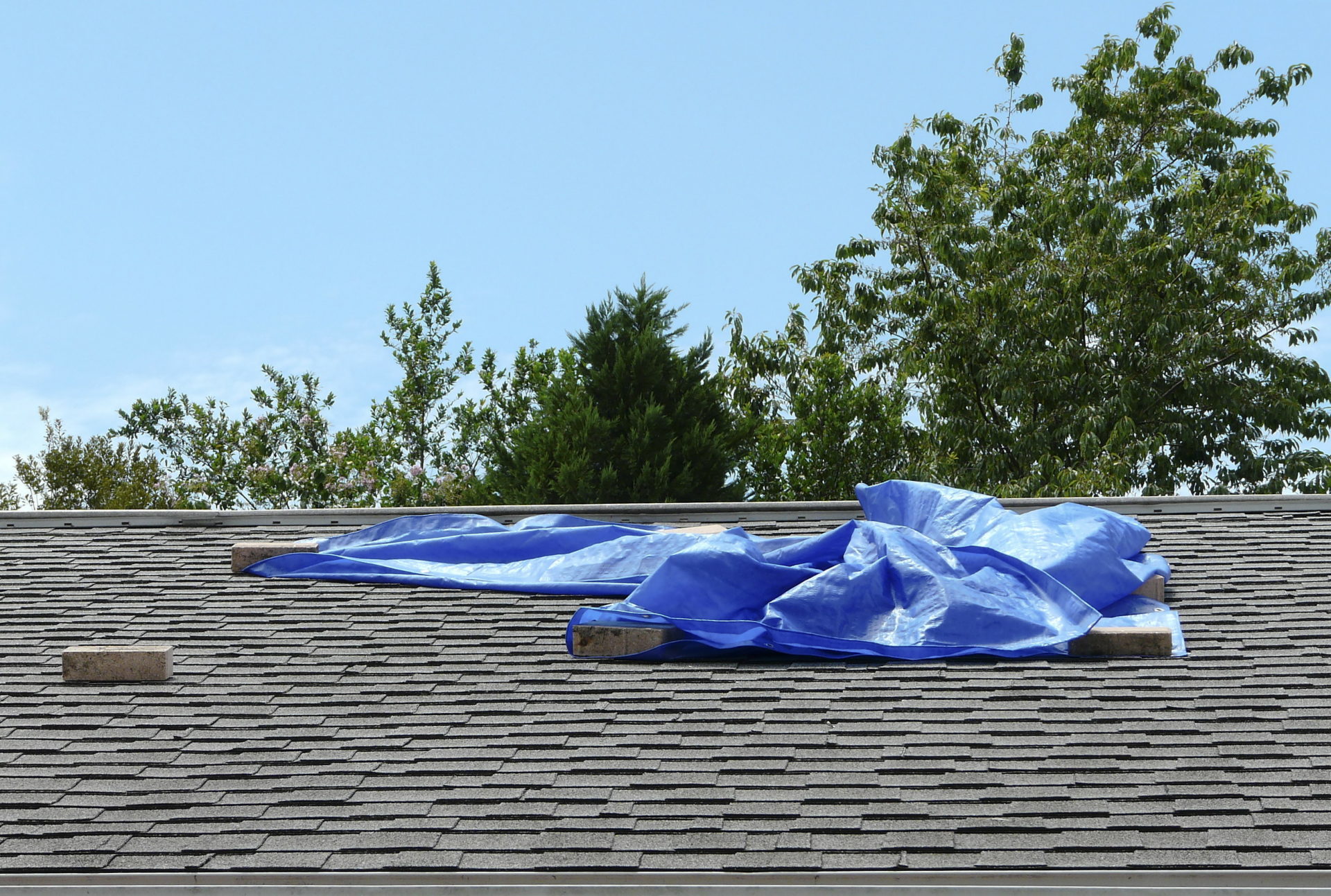
Commercial Roof Leak Repair in Manchester, NH | Commercial Roofers of New Hampshire , New Hampshire commercial roofing.
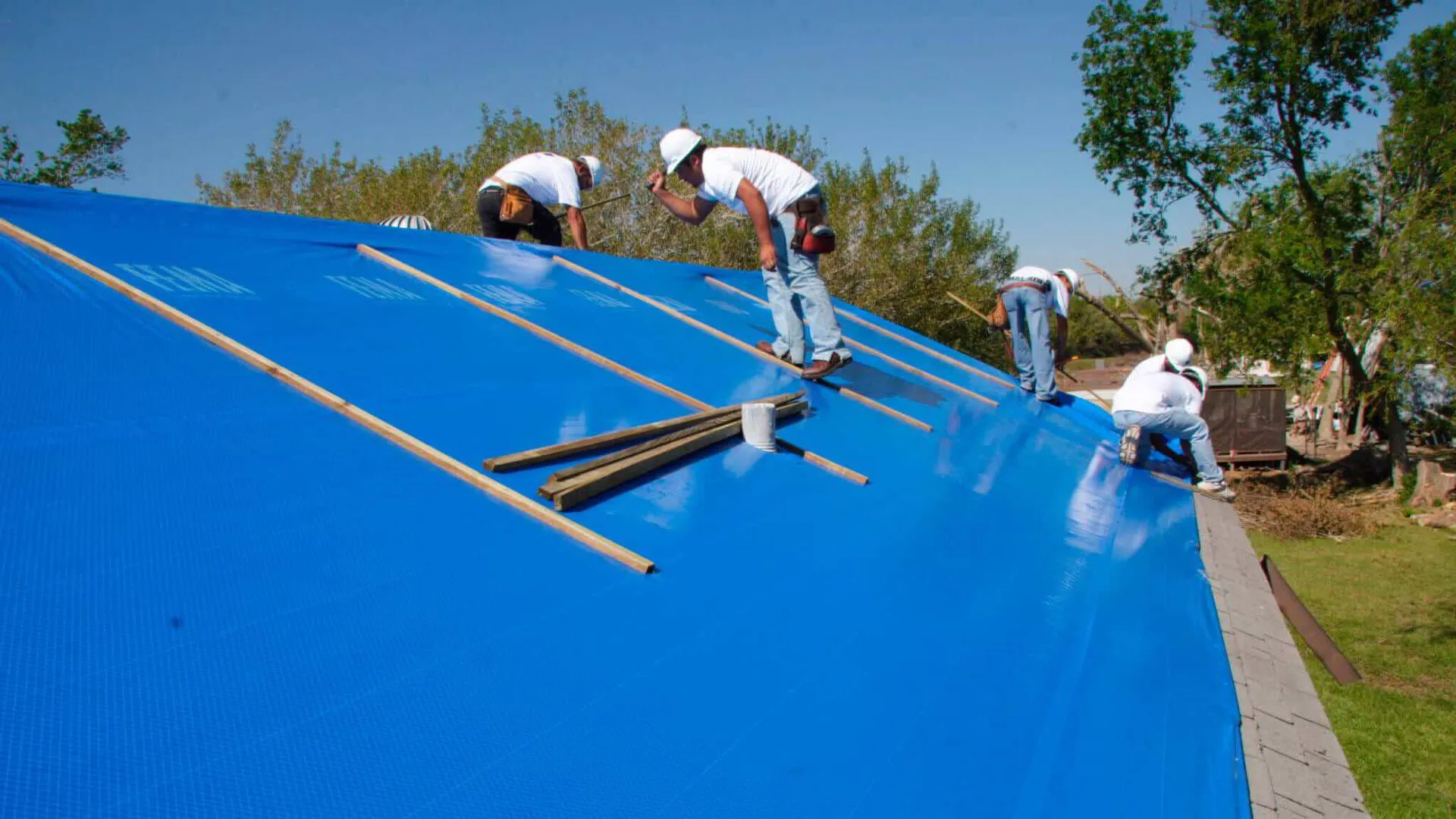
Storm Damage Roof Repair in Manchester, NH | Commercial Roofers of New Hampshire , New Hampshire commercial roofing.
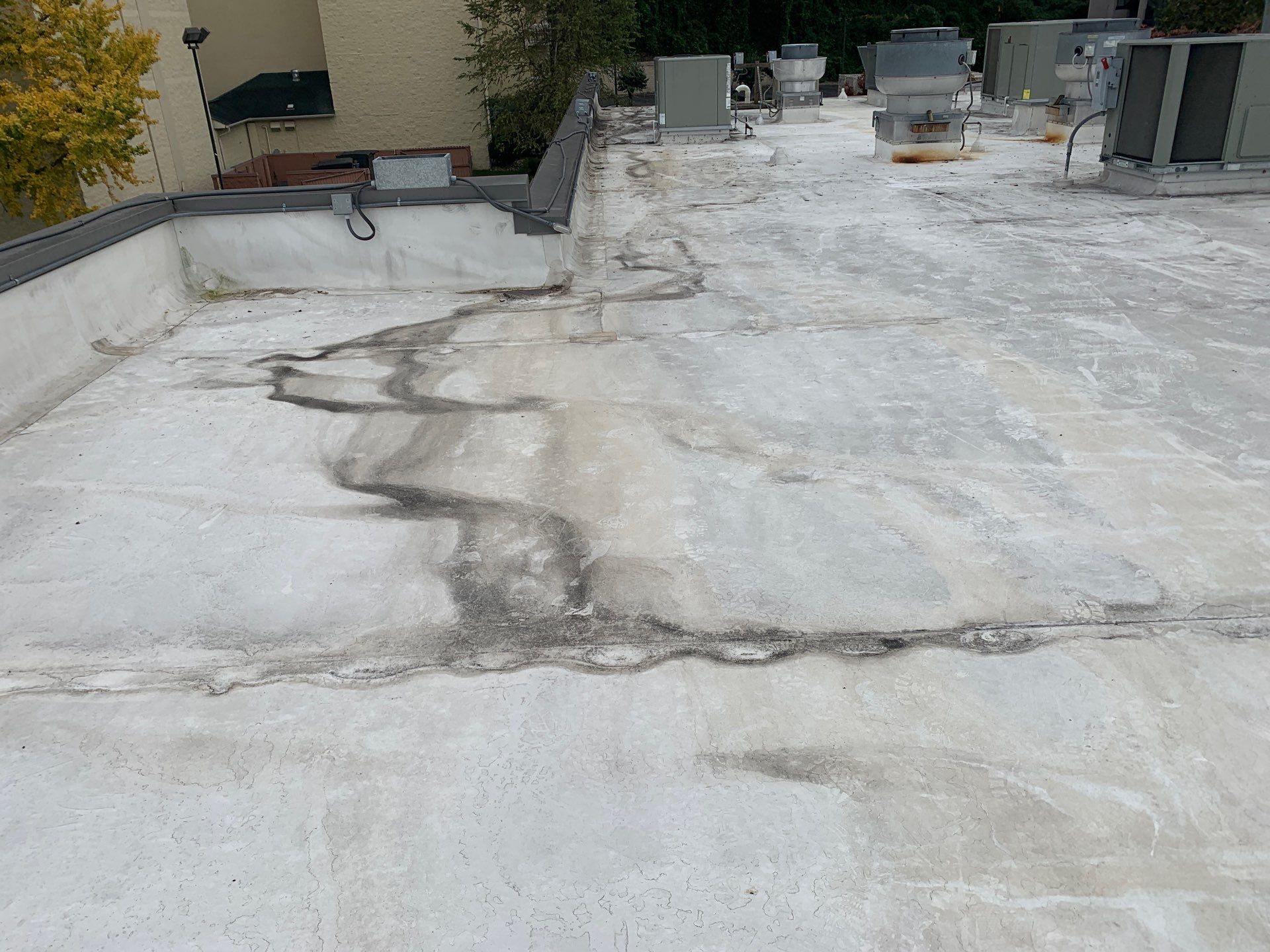
Wind Damage Roof Restoration in Manchester, NH | Commercial Roofers of New Hampshire , New Hampshire commercial roofing.
Send the building location, roof age, leak location, tenant constraints, and access notes. We will point the request toward inspection, repair scope, maintenance, replacement budgeting, or bid comparison.
Contact Us