Commercial Roof Leak Repair in Manchester, NH | Commercial Roofers of New Hampshire
Commercial Roof Leak Repair in Manchester, NH | Commercial Roofers of New Hampshire , New Hampshire commercial roofing.

Manchester has emerged as one of New Hampshire's most active multifamily real estate markets , a city where an affordable cost of living relative to Boston, a growing healthcare and education sector centered on Elliot Hospital and Saint Anselm College, and improving transit connectivity have driven both new apartment development and sustained investor interest in the city's existing rental housing stock. Property managers overseeing apartment buildings throughout Manchester's neighborhoods , from the historic brick mill buildings along the Merrimack River being converted to neighborhood lofts, to the three-decker apartment buildings in the Beech Street and Union Street corridors, to newer garden-style communities in the West Side neighborhoods , all contend with a New England climate that tests roofing systems through ice storms, heavy snow loads, dramatic spring thaws, and summer heat that arrives abruptly after the long cold season.
The mill building conversion market is a defining feature of Manchester's multifamily landscape. The massive brick industrial structures along the Millyard have been progressively transformed into apartments, condominiums, and mixed-use spaces over the past three decades, and their roofing systems present challenges specific to adaptive reuse: vast flat or very low-slope roof areas on structures with unconventional deck configurations, irregular penetration patterns from industrial repurposing, and in some cases historic designation that creates design constraints on what roofing systems and visible components are permissible. Property managers and condo associations overseeing these buildings benefit from contractors with experience on adaptive reuse multifamily properties rather than those accustomed primarily to conventional new construction or neighborhood re-roofing.
Three-decker apartment buildings , the signature multifamily housing type of New Hampshire's older industrial cities , are plentiful throughout Manchester's Rimmon Heights, Bakersville, and Hallsville neighborhoods. These wood-frame structures typically have minimal attic spaces and modest pitched roofs that are prone to ice dam formation when top-floor apartments are not adequately insulated at the roofline. Property owners running portfolios of three-deckers in Manchester face a recurring ice dam season that drives ceiling damage claims across their tenant base and produces annual wood damage at eaves, fascias, and gutters. While the immediate cost of seasonal ice dam repairs can feel manageable, the accumulated cost over a decade significantly exceeds what a proper thermal envelope correction would have cost to implement once.
HOA-managed condominium communities in Manchester's newer development areas , particularly the townhome and condo communities in the South End and along Brown Avenue , present governance-level roofing challenges when systems approach end of life. New Hampshire condominium associations operate under RSA 356-B, which establishes the legal framework for reserve fund management and major capital decisions. HOA boards facing a decision about whether to re-roof a 30-unit condominium community need to navigate the proxy vote or unit owner meeting requirements of their governing documents while also managing the practical decisions about contractor selection, system specification, and project phasing. A commercial roofing contractor familiar with New Hampshire HOA governance requirements can reduce the board's burden by providing the documentation and presentation materials that the unit owner approval process requires.
Manchester's weather profile includes specific risk factors that property managers need to treat proactively. The city receives significantly less snow than northern New Hampshire communities but enough , typically 60 to 70 inches annually , to create meaningful structural load on flat roofs, especially during wet snow events or when rain follows a snow accumulation and dramatically increases the weight of the snowpack. Ice storms , a distinctive New England weather hazard that coats every roof surface in a shell of ice , create dead loads and drainage blockages that are particularly dangerous on older Manchester apartment buildings with flat roofs and limited structural reserve capacity. The spring thaw season, when ice and snow accumulations release their moisture simultaneously, stresses every roof drain and scupper on every flat-roof building in the city at the same time.
Real estate investors who have been drawn to Manchester's multifamily market as a Boston alternative , where yields remain meaningfully higher even after Manchester's own price appreciation , should calibrate their roofing capital reserves to the specific buildings they are buying rather than applying generic regional benchmarks. Manchester's three-decker and mill-era apartment stock has distinct roofing cost profiles that differ from newer construction, and the prevalence of deferred maintenance on older city buildings means that pre-purchase inspections frequently reveal conditions that require immediate attention rather than the planned mid-hold capital expenditure that conservative pro formas might assume. Engaging a commercial roofing contractor for a pre-purchase assessment before finalizing an acquisition price is standard practice for experienced Manchester multifamily investors.
Energy performance is an increasing concern for Manchester apartment building owners as New Hampshire utility costs have climbed. Roof assemblies represent one of the most significant opportunities to improve building thermal performance , particularly on older Manchester apartment buildings where original insulation levels fall well below current code requirements. Re-roofing projects that increase insulation to or above current NH Energy Code standards produce measurable utility cost reductions for buildings where heating and cooling loads have been elevated by inadequate roofing assembly performance. For property managers operating portfolios with utility expense responsibility or for owners in markets where tenant-paid utilities affect competitiveness, this improvement is a concrete financial benefit that can be incorporated into the capital project return analysis.
Manchester's contractor market is smaller than the Boston metro area it serves as an alternative to, and commercial roofing contractor capacity in Manchester is more limited than in the greater New England market. The practical implication is that scheduling premium commercial roofing work , particularly phased projects across multiple apartment buildings , requires planning lead times that Manchester owners may find longer than they'd experience in a larger metro market. Property managers who establish working relationships with qualified commercial roofing contractors before an emergency arises will have access to faster response and more favorable scheduling than those who are seeking contractor relationships for the first time during a roof failure event.
For Manchester apartment complex owners, property management firms, and HOA boards, the key to effective roofing management in New Hampshire's climate is combining honest assessment of current system condition with realistic capital planning that accounts for what replacement actually costs in the Manchester market, and building contractor relationships with commercial specialists who have documented experience with the specific building types , mill conversions, three-deckers, newer garden-style communities , that define Manchester's multifamily inventory. The roof is the building's primary defense against a climate that delivers genuine structural challenges over the full seasonal cycle, and treating it as a managed capital asset rather than a reactive maintenance item is the approach that protects both the building and the investment it represents.
Access, wet insulation, deck repair, edge metal, drains, temporary protection, after-hours work, and occupied-building staging change the number faster than the roof label. We verify those conditions around Merrimack before treating a square-foot price as reliable.
Often, but the sequence has to be planned. We review entrances, loading docks, patient or tenant areas, roof access, odor sensitivity, and weather windows near Milford before recommending daytime, phased, or after-hours work.
We look for wet insulation, deck condition, attachment, slope, seam condition, drain performance, and edge-metal risk. If the roof around Manchester AP station USW00014710 is dry and stable, preservation options stay on the table. If moisture or deck damage is spreading, replacement planning becomes more defensible.
Typical documentation includes roof-area notes, photo locations, leak or damage observations, priority levels, repair limits, access constraints, and budget categories. On storm work, we provide contractor-side roof evidence without promising insurance outcomes.
Timing depends on weather, crew load, access, and whether interior water is active. We triage emergency conditions first, especially when water is entering occupied space near airport hangars and logistics roofs, and then separate temporary dry-in from permanent scope.
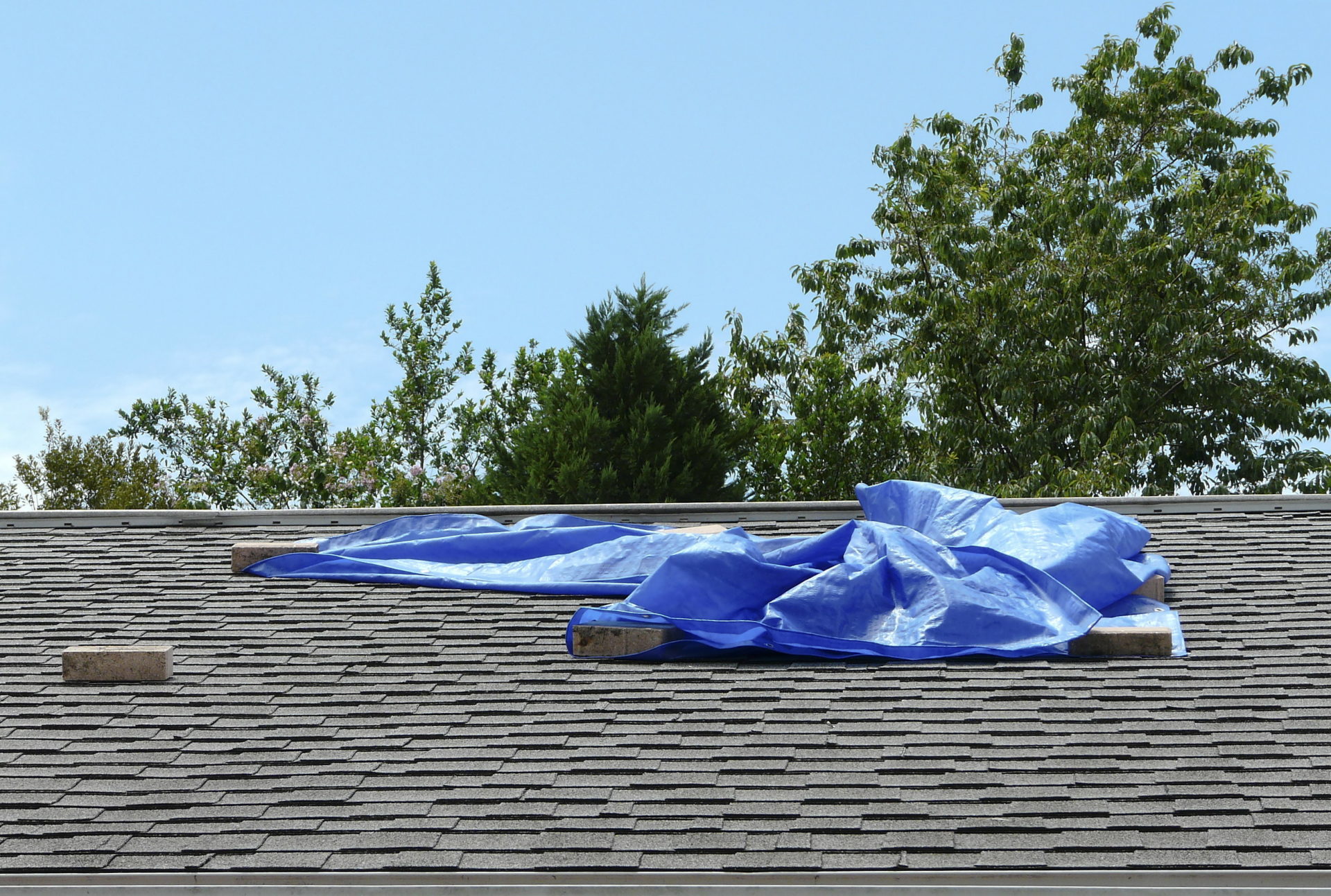
Commercial Roof Leak Repair in Manchester, NH | Commercial Roofers of New Hampshire , New Hampshire commercial roofing.

Storm Damage Roof Repair in Manchester, NH | Commercial Roofers of New Hampshire , New Hampshire commercial roofing.
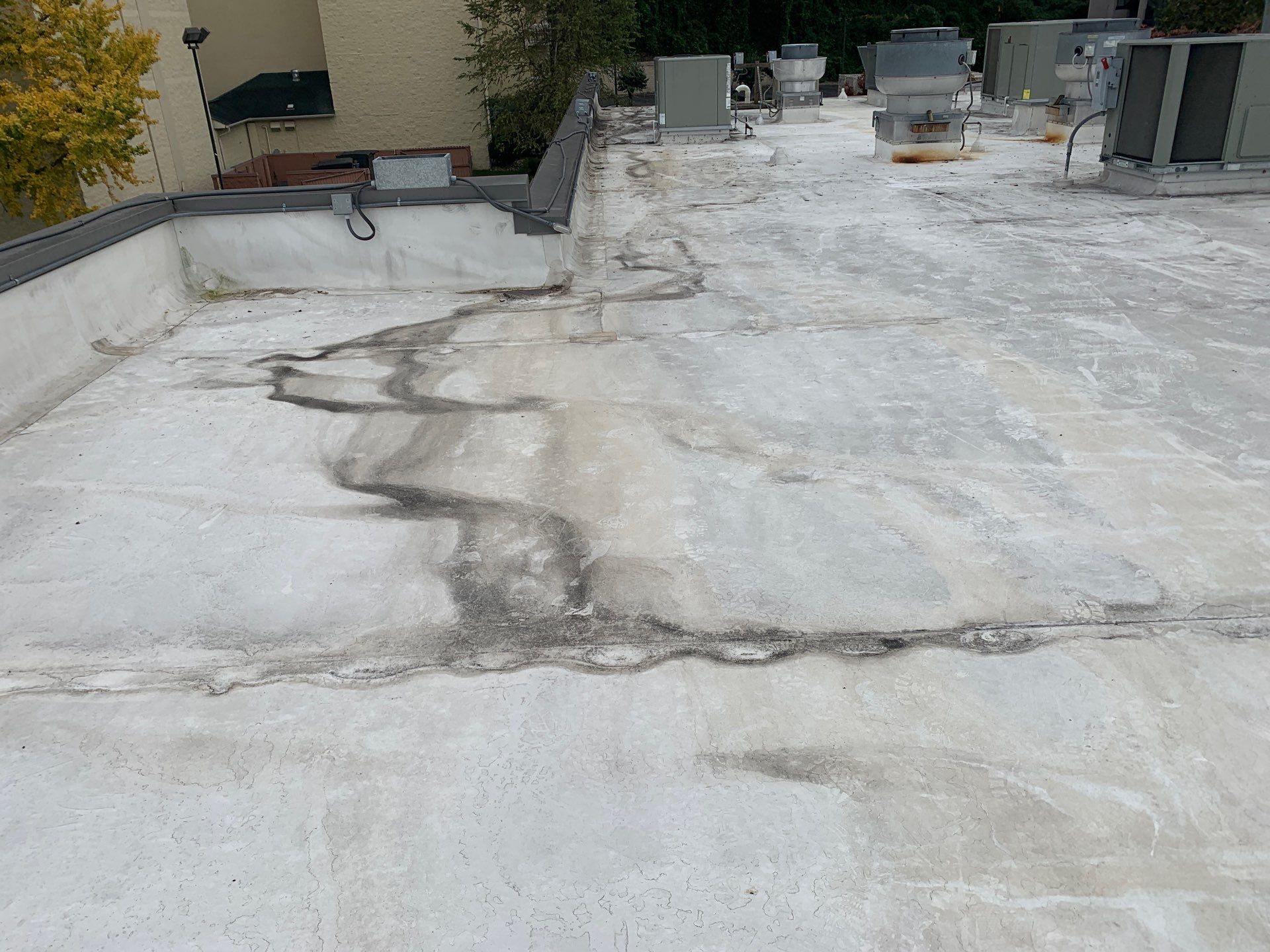
Wind Damage Roof Restoration in Manchester, NH | Commercial Roofers of New Hampshire , New Hampshire commercial roofing.
Send the building location, roof age, leak location, tenant constraints, and access notes. We will point the request toward inspection, repair scope, maintenance, replacement budgeting, or bid comparison.
Contact Us