Data Center Roofing
Data Center Roofing planned around Manchester-area roof conditions, winter freeze-thaw exposure, and commercial building operations.

Manchester, New Hampshire serves as the commercial center of a state that has quietly attracted institutional capital to its industrial, retail, and mixed-use real estate markets over the past decade. National Retail Properties (NNN REIT) holds net lease commercial assets across New England, including New Hampshire properties that benefit from the state's tax-advantaged structure , no general sales tax and no income tax , and from Manchester's position as a distribution and light manufacturing hub within a day's drive of Boston and the broader Northeast consumption corridor. What these institutional holdings share across all asset classes is the relentless roofing CAPEX pressure imposed by New Hampshire's cold, wet winters , a pressure that must be modeled accurately to protect distributions and meet the expectations of institutional limited partners.
Manchester's climate delivers a challenging combination of winter conditions that test every element of a commercial roofing assembly. Average annual snowfall exceeds 65 inches, and the city's position in southern New Hampshire means it is often in the path of nor'easter systems that can deposit 12 to 24 inches in a single event. Temperature swings through the winter and early spring months create repeated freeze-thaw cycles, with daytime temperatures above freezing and overnight refreezing generating the ice dam conditions at parapet walls, valleys, and low-slope transitions that are responsible for the majority of winter roofing leak claims in New England. A REIT asset manager unfamiliar with New England roofing failure modes may underestimate how quickly these ice dam events translate from cosmetic water staining to structural damage.
Multi-property master service agreements for REIT portfolios in Manchester must address both reactive emergency response and proactive winter preparation. The pre-winter preparation visit , typically conducted in September or October , is one of the most valuable services a preferred roofing vendor can provide. This visit clears drains and scuppers of debris accumulated over the summer, re-seals any flashings that have lifted or cracked during summer heat, repairs minor membrane defects before winter moisture loading begins, and documents the roof's condition as it enters the high-risk winter season. A portfolio whose roofs enter winter with drains flowing freely and flashings intact will experience materially fewer emergency calls than one whose maintenance program begins only when a tenant reports a problem.
Snow removal on New Hampshire commercial roofs requires a calibrated, safety-conscious approach that not every contractor can provide. The goal is not to strip the roof to bare membrane , which would remove the insulating snow layer and expose the membrane to extreme cold , but to reduce accumulation that approaches structural thresholds while leaving a protective base layer. REIT-preferred vendors in Manchester maintain the equipment, fall protection systems, and worker training to conduct snow removal safely, and they understand the structural loading principles well enough to prioritize removal locations based on where accumulation creates the greatest concentrated load risk rather than simply removing snow from the most accessible areas.
Property condition assessments for Manchester commercial acquisitions require the same seasonal timing discipline that applies across northern New England. A PCA conducted in July when the roof is dry and temperatures are moderate will not reveal the ice dam vulnerabilities at parapet transitions, the drain freezing issues that cause ponding during winter thaw cycles, or the flashing failures that admit water only when subjected to hydrostatic ice dam pressure. Late April or May PCAs, conducted after the last significant snowmelt, reveal the full extent of winter damage and give the buyer an accurate picture of reserve adequacy. The PCA report should note any evidence of previous ice dam infiltration , ceiling staining at exterior walls, mold growth near parapets, deteriorated interior insulation , as these are indicators of recurring annual events rather than one-time anomalies.
New Hampshire's industrial market, concentrated along the Route 3 corridor and near Manchester-Boston Regional Airport, has attracted logistics and light manufacturing tenants whose operations depend on climate-controlled environments. A roof leak in a pharmaceutical distribution facility or a precision electronics assembly plant creates immediate product integrity concerns and potential regulatory implications beyond the simple cost of repair. REIT asset managers holding these assets carry that elevated consequence context when they evaluate roofing condition and maintenance program design. The cost of a comprehensive preventive maintenance program is trivially small relative to the liability exposure created by a moisture event in a quality-sensitive tenant environment.
Ten-year reserve models for Manchester commercial portfolios must reflect the regional cost environment for roofing work. New England labor markets are among the most expensive in the country, and commercial roofing crews in New Hampshire command rates that reflect both the cost of living and the specialized training required for cold-weather installation and maintenance. Material costs also carry freight premiums relative to Mid-Atlantic and Midwest markets. A reserve model built on national average cost data will systematically under-reserve a New Hampshire portfolio by 20 to 30 percent over a ten-year horizon , a gap that compounds over time and eventually manifests as distribution shortfalls or deferred replacements that further degrade asset quality.
Manchester's position in the New England commercial real estate market creates an interesting dynamic for REIT roofing vendor relationships. The city is large enough to support multiple qualified commercial roofing contractors but small enough that institutional clients represent a meaningful share of any single contractor's revenue base. This creates a different relationship dynamic than in major metro markets: preferred vendors in Manchester have genuine incentive to invest in the documentation capabilities, reporting formats, and technical expertise that institutional clients require, because losing a REIT relationship is a material revenue event rather than a marginal one. Asset managers who engage their Manchester roofing partners as genuine advisors , sharing reserve model assumptions, CAPEX planning timelines, and acquisition pipeline context , tend to get more proactive value back from those relationships than transactional-minded clients do.
Commercial roofing vendors building institutional relationships in Manchester need to invest in the full suite of capabilities that REIT asset managers expect: ASTM-standard inspection protocols, thermal imaging for moisture detection, detailed reserve modeling support, warranty compliance tracking, and investor-grade documentation. The vendors who operate at this level in southern New Hampshire's relatively contained commercial market establish positions that are genuinely difficult for competitors to displace , and those positions generate sustained, multi-property revenue streams that reward the investment in capabilities many times over.
Access, wet insulation, deck repair, edge metal, drains, temporary protection, after-hours work, and occupied-building staging change the number faster than the roof label. We verify those conditions around Commercial Real Estate and REITs before treating a square-foot price as reliable.
Often, but the sequence has to be planned. We review entrances, loading docks, patient or tenant areas, roof access, odor sensitivity, and weather windows near budget file documentation before recommending daytime, phased, or after-hours work.
We look for wet insulation, deck condition, attachment, slope, seam condition, drain performance, and edge-metal risk. If the roof around Elliot Hospital is dry and stable, preservation options stay on the table. If moisture or deck damage is spreading, replacement planning becomes more defensible.
Typical documentation includes roof-area notes, photo locations, leak or damage observations, priority levels, repair limits, access constraints, and budget categories. On storm work, we provide contractor-side roof evidence without promising insurance outcomes.
Timing depends on weather, crew load, access, and whether interior water is active. We triage emergency conditions first, especially when water is entering occupied space near Concord, and then separate temporary dry-in from permanent scope.
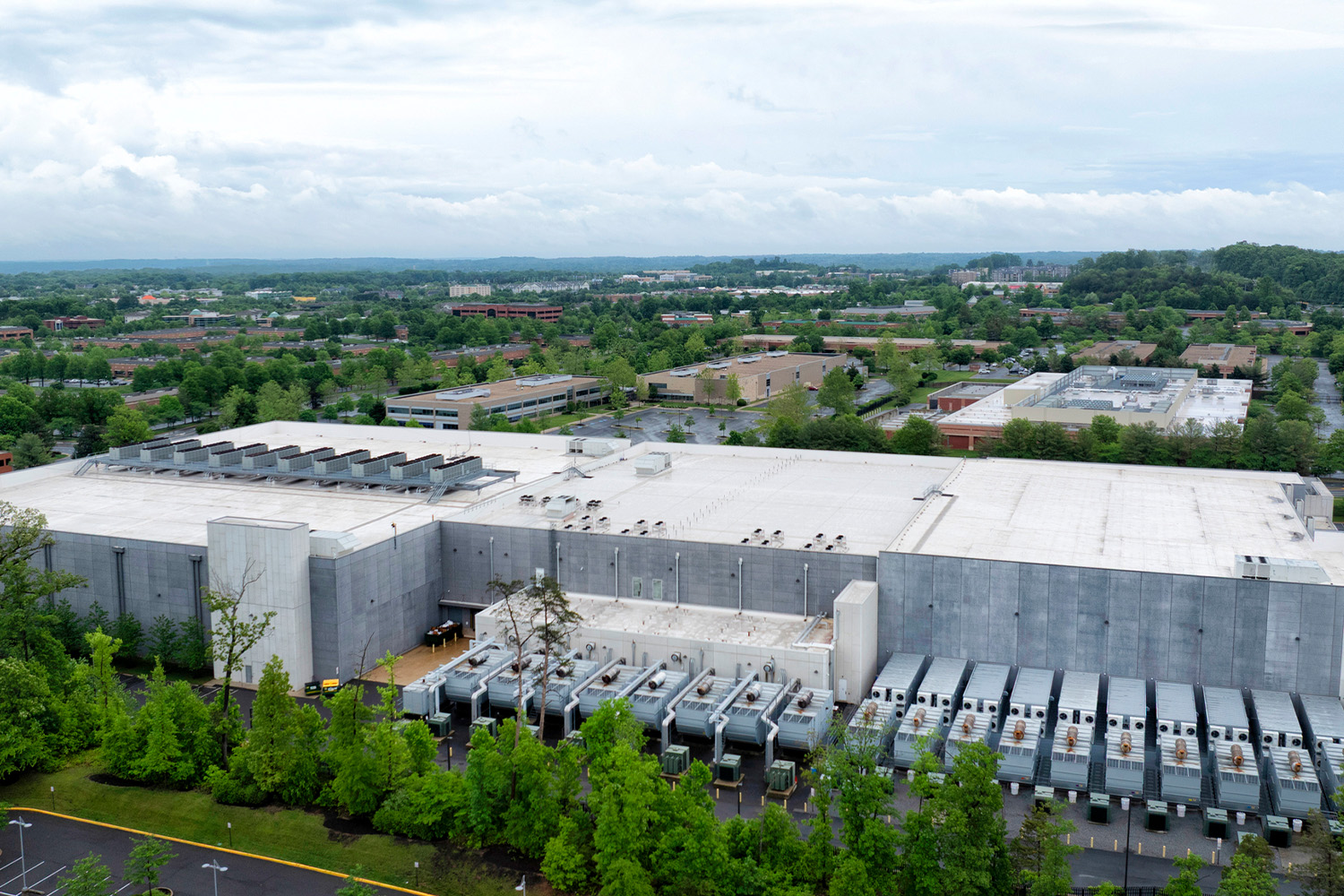
Data Center Roofing planned around Manchester-area roof conditions, winter freeze-thaw exposure, and commercial building operations.
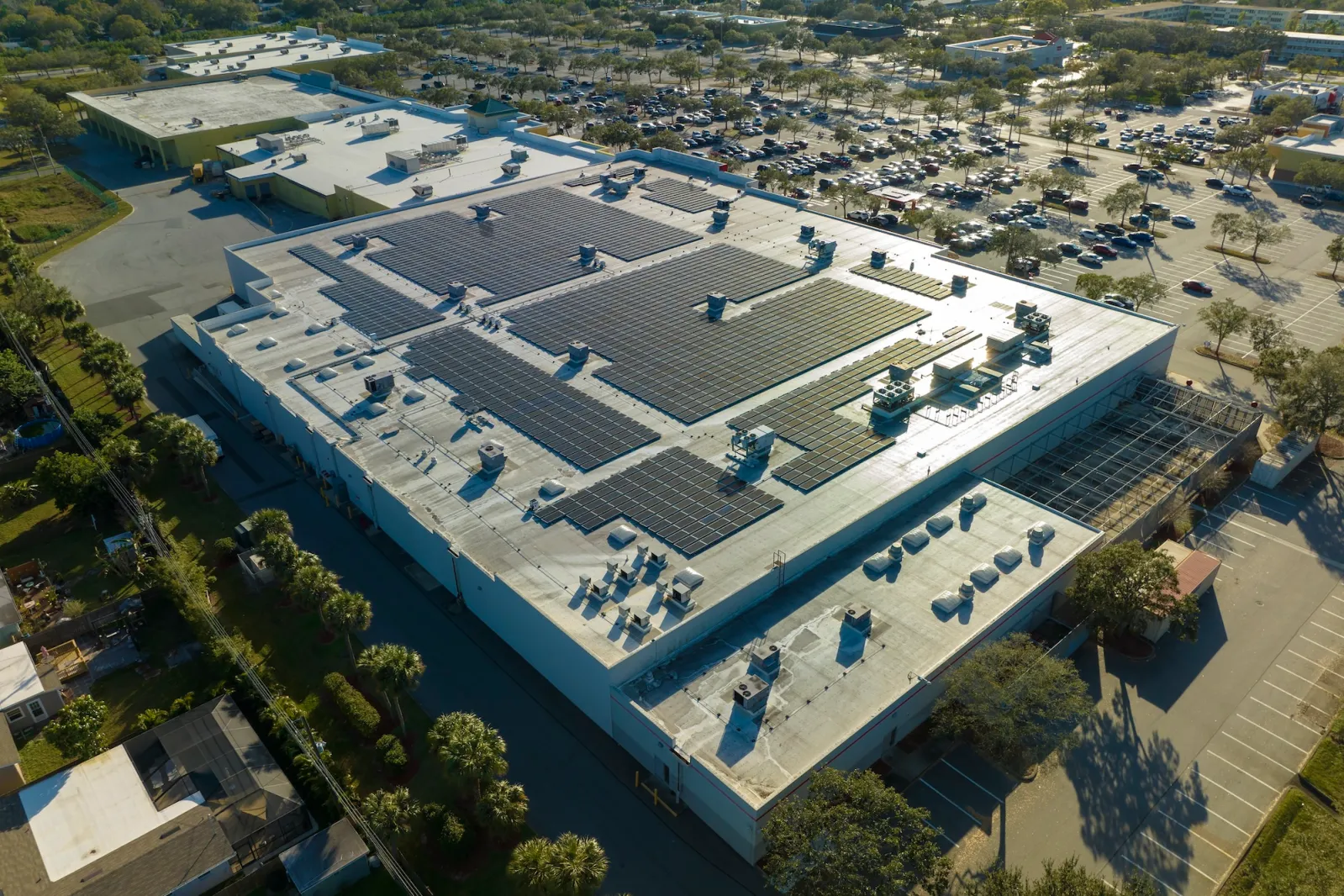
DST Roofing Services planned around Manchester-area roof conditions, drainage and overflow paths, and commercial building operations.
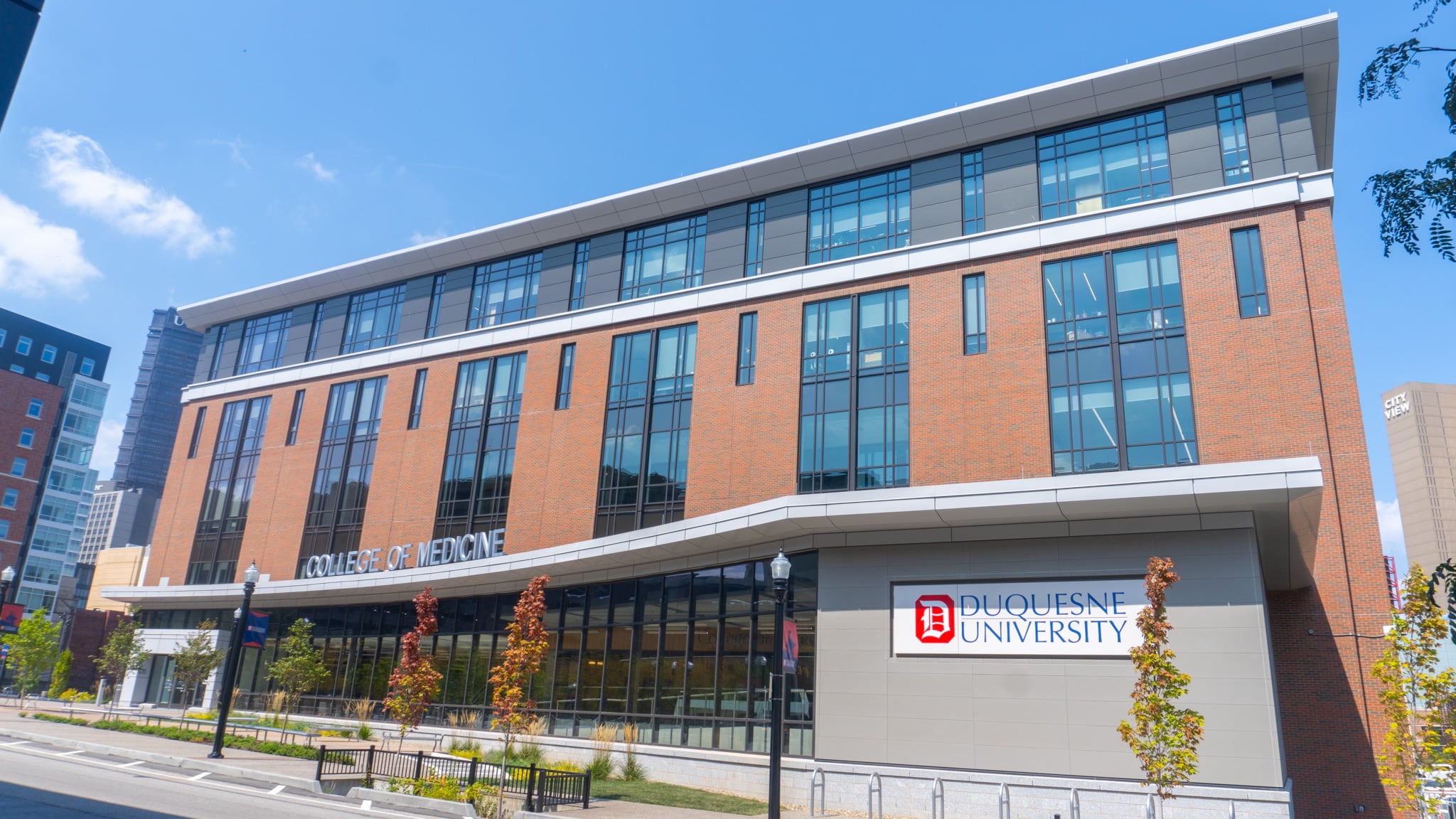
Education Facilities planned around Manchester-area roof conditions, tenant disruption limits, and commercial building operations.
Send the building location, roof age, leak location, tenant constraints, and access notes. We will point the request toward inspection, repair scope, maintenance, replacement budgeting, or bid comparison.
Contact Us