DST Roofing Services
DST Roofing Services planned around Manchester-area roof conditions, drainage and overflow paths, and commercial building operations.

Manchester, New Hampshire's data infrastructure has grown significantly in the shadow of its proximity to Boston, with several major employers and institutions anchoring the market. Southern New Hampshire University has built one of the most extensive online education platforms in the country, with computing infrastructure that supports hundreds of thousands of enrolled students and requires high-availability systems capable of handling enrollment peaks, exam periods, and continuous content delivery at scale. BAE Systems, with a substantial New Hampshire presence, operates computing infrastructure supporting defense electronics and cybersecurity programs that operate under federal security frameworks and continuity requirements. Manchester-Boston Regional Airport's data systems support flight operations, security screening, and passenger services for a facility that handles millions of travelers annually. These tenants have established Manchester as a secondary data center market that serves both regional demand and Boston-area firms seeking geographic redundancy.
New Hampshire's climate is characteristic of northern New England , cold, snowy winters with significant freeze-thaw cycling in the spring transition, and humid summers that combine heat with the moisture content typical of the Atlantic Coast region. Manchester averages over 64 inches of annual snowfall, and the Merrimack Valley's position can concentrate snowfall from nor'easter systems that track inland from the coast. Ice storms are a regular winter occurrence in southern New Hampshire, with freezing rain events that add heavy adhered ice loads to rooftop surfaces and seal drainage inlets. The combination of high snowfall, ice events, and freeze-thaw cycling creates a demanding multi-mechanism roofing environment that requires systems specified for each individual stressor.
Southern New Hampshire University's computing demands have grown dramatically with the expansion of their online education model. Their data infrastructure supports real-time video streaming, assessment systems, and learning management platforms used simultaneously by students across every US time zone. System downtime during midterm or final exam periods creates direct academic harm for students with no alternative access to coursework, giving SNHU's uptime requirements a public service dimension beyond standard commercial data center SLAs. Their facilities management approach to roofing reflects this institutional responsibility, with inspection and maintenance programs that minimize the risk of building envelope failure during periods of peak operational demand.
BAE Systems' New Hampshire computing operations fall under federal defense contractor facility standards that impose requirements beyond typical commercial building management. Physical security, access control, and personnel clearance requirements affect how roofing contractors can access and work on BAE facilities. Contractors serving defense contractor data facilities must be prepared to comply with facility security protocols, which may include background checks for all workers, escort requirements during on-site work, and documentation of materials and tools brought onto the property. These requirements add logistical complexity to roofing projects but are non-negotiable conditions of accessing this class of facility.
The cold-storage corridor along I-93 north of Manchester has created an industrial real estate environment where data-intensive cold chain logistics operations have co-located with food distribution facilities. The computing systems that manage inventory, temperature monitoring, and supply chain logistics for these operations represent a distributed data infrastructure demand that is less visible than corporate campus data centers but equally dependent on reliable building envelope performance. Roofing contractors who serve the I-93 corridor industrial market are positioned to serve this data infrastructure need as cold chain logistics increasingly depends on real-time computing systems.
Vapor management in Manchester's cold climate requires vapor retarders placed on the warm interior side of insulation, consistent with standard cold-climate practice. Data centers maintain warm, humidity-controlled interiors that create outward vapor drive through the roof assembly in winter conditions. The Manchester market's cold winters , average January temperatures in the single digits to low 20s , create strong vapor pressure differentials that can drive significant moisture into roof assemblies where vapor retarder continuity is compromised. Annual inspections should include assessment of any areas where vapor retarder seams have separated or penetrations have allowed vapor bypasses to develop.
Ice damming deserves specific attention in Manchester's climate. The combination of significant snowfall, roof heat loss from warm building interiors, and freeze-thaw cycles creates conditions where meltwater from snow warmed by escaping building heat refreezes at parapet walls and drainage points. On data center roofs where insulation is typically thick and well-installed, the heat loss is lower than in commercial buildings with minimal insulation, but data center mechanical equipment on the roof can create localized warm zones where ice damming risk is concentrated. Rooftop HVAC discharge areas, emergency generator exhaust zones, and areas near heating equipment should receive specific attention in ice damming risk assessments.
Manchester's role as a cost-effective alternative to Boston data center space is driving new construction and facility expansion that benefits the local commercial roofing market. New facilities being built to serve Boston-area geographic redundancy needs are typically specified to Tier II or Tier III standards, with roofing systems that support documentation requirements and maintenance program structures appropriate to those tier levels. Contractors who understand the Tier classification system and the roofing implications of each tier level are better positioned to engage meaningfully with specifiers and facility managers who are building Manchester's next generation of data center infrastructure.
Energy performance requirements for New Hampshire commercial roofing reflect the state's cold climate classification under the IECC, which mandates continuous insulation values of R-30 or greater for new low-slope commercial construction. Data center operators in Manchester typically specify R-35 or R-40 to achieve superior envelope performance given the high year-round mechanical loads these facilities carry. Compliance with NH's energy code must be documented and submitted as part of the building permit process, and contractors should ensure that specified insulation products are installed as continuous layers without thermal bridging at fasteners or structural elements that would reduce effective R-value below code minimums.
Commercial roofing contractors who develop expertise in data center roofing in Manchester are entering a market with long-term growth dynamics driven by SNHU's continued expansion, the ongoing demand for Boston-redundant data center space, and the broader New Hampshire technology sector's maturation. The clients in this market are institutionally sophisticated, the projects are technically demanding, and the service relationships that emerge from competent performance are durable in a market where the pool of qualified data center roofing specialists is limited relative to demand. Investing in the technical capabilities and documentation practices that these clients require is a sound long-term market development strategy.
Access, wet insulation, deck repair, edge metal, drains, temporary protection, after-hours work, and occupied-building staging change the number faster than the roof label. We verify those conditions around Commercial Real Estate and REITs before treating a square-foot price as reliable.
Often, but the sequence has to be planned. We review entrances, loading docks, patient or tenant areas, roof access, odor sensitivity, and weather windows near budget file documentation before recommending daytime, phased, or after-hours work.
We look for wet insulation, deck condition, attachment, slope, seam condition, drain performance, and edge-metal risk. If the roof around Elliot Hospital is dry and stable, preservation options stay on the table. If moisture or deck damage is spreading, replacement planning becomes more defensible.
Typical documentation includes roof-area notes, photo locations, leak or damage observations, priority levels, repair limits, access constraints, and budget categories. On storm work, we provide contractor-side roof evidence without promising insurance outcomes.
Timing depends on weather, crew load, access, and whether interior water is active. We triage emergency conditions first, especially when water is entering occupied space near Concord, and then separate temporary dry-in from permanent scope.
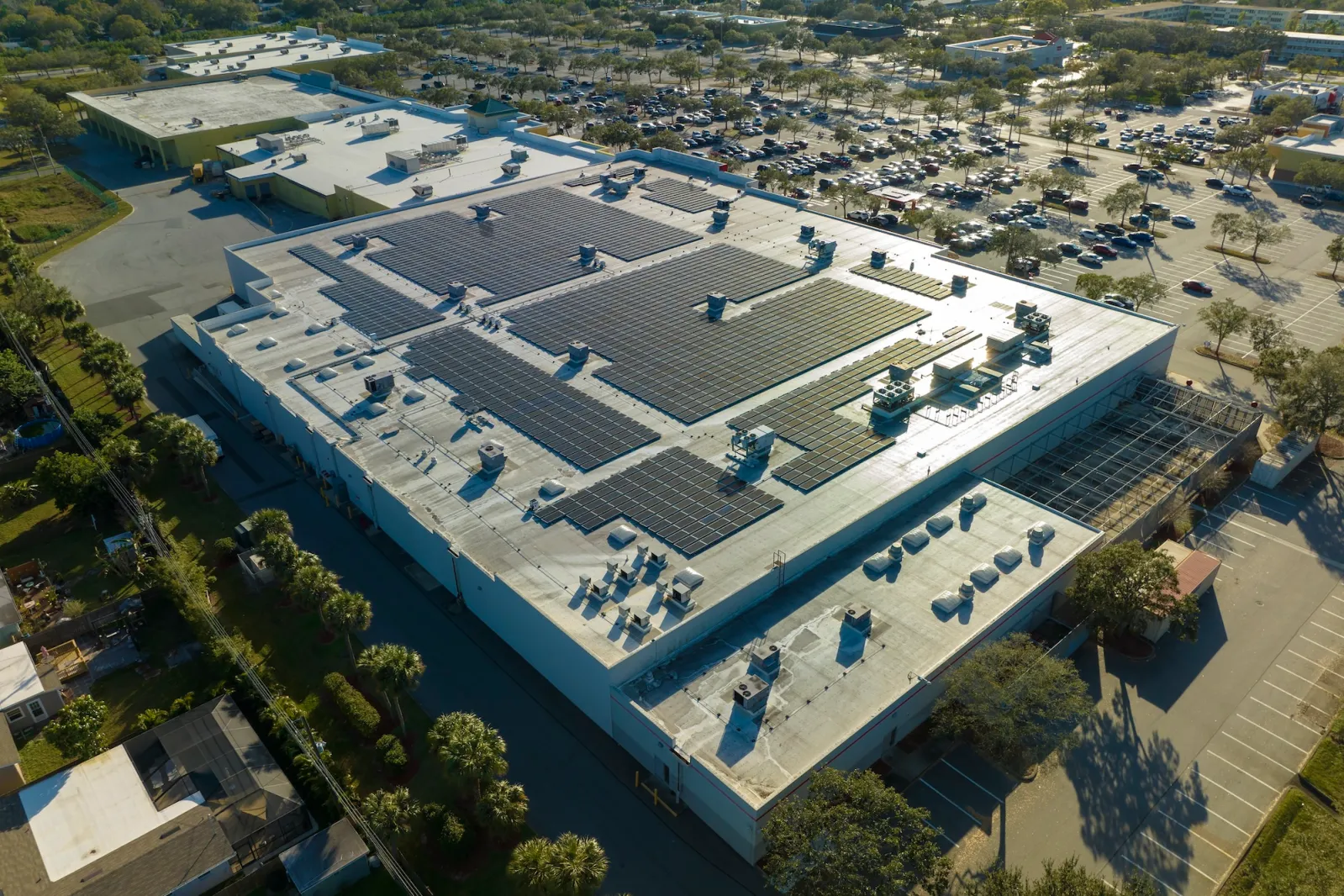
DST Roofing Services planned around Manchester-area roof conditions, drainage and overflow paths, and commercial building operations.
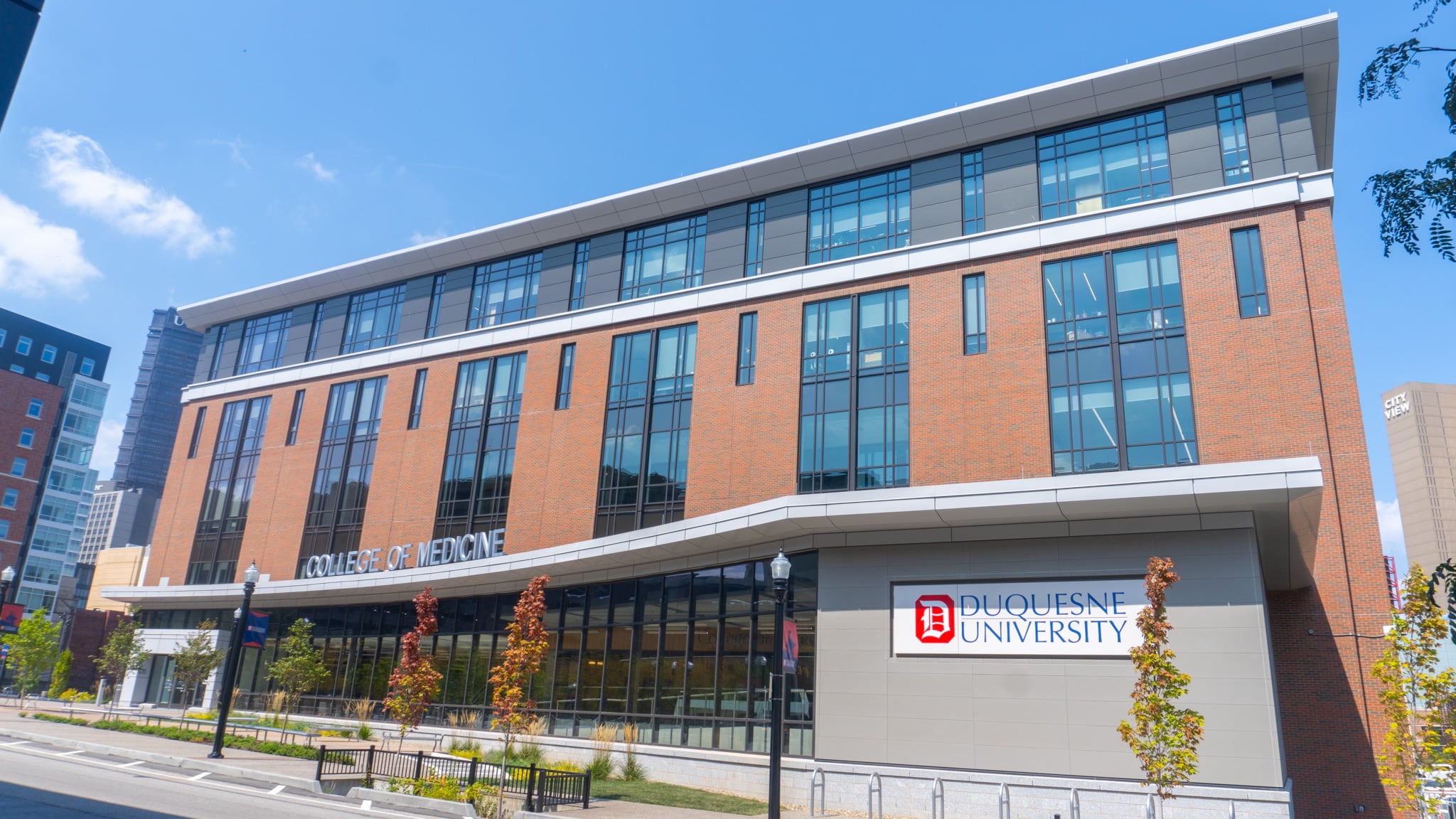
Education Facilities planned around Manchester-area roof conditions, tenant disruption limits, and commercial building operations.
Send the building location, roof age, leak location, tenant constraints, and access notes. We will point the request toward inspection, repair scope, maintenance, replacement budgeting, or bid comparison.
Contact Us