Data Center Roofing
Data Center Roofing planned around Manchester-area roof conditions, winter freeze-thaw exposure, and commercial building operations.

Delaware Statutory Trust sponsors acquiring commercial properties in Manchester, New Hampshire encounter a New England market where cold winters, significant snow loading, and an aging commercial building stock converge to create roof maintenance obligations that national underwriting models systematically understate. Manchester is New Hampshire's largest city and its commercial hub, with industrial inventory along the Merrimack River corridor and multi-tenant retail and office properties concentrated in the south end and suburban growth areas toward Bedford and Londonderry. The properties that attract DST acquisition interest in this market come with roof systems that have been tested by decades of New Hampshire winters, and that accumulated testing leaves physical evidence that only a thorough pre-acquisition inspection will reveal.
New Hampshire's climate imposes specific demands on commercial rooftops that out-of-state DST sponsors who are accustomed to warmer markets do not intuitively appreciate. Annual snowfall in Manchester typically ranges from 50 to 70 inches, with accumulation events that can deposit substantial loads on flat commercial roof surfaces within 24 hours. Ice dam formation at parapets and roof edges is a recurring problem on older commercial buildings with inadequate insulation detailing, and the weight of accumulated ice at roof perimeters can compromise flashing systems and create water infiltration pathways that remain active long after the ice melts. A pre-acquisition condition report that does not specifically address these cold-climate failure modes is not a complete condition report for a New Hampshire commercial property.
The 1031 identification deadline creates familiar time pressure in Manchester as it does in every DST market, but in New Hampshire, the seasonal timing of acquisitions adds a layer of complexity. A pre-close inspection performed in summer or early fall does not reveal winter stress damage in the same way an April or May inspection would, the snow has melted, drainage has normalized, and the accumulated effects of the previous winter's freeze-thaw cycling may not be fully visible until the membrane has dried out and been examined closely. DST sponsors whose acquisition calendars favor fall closings should specifically request post-winter inspection updates or commission additional assessments that account for this seasonal limitation.
Offering memorandums for DST interests in Manchester commercial properties require reserve models that reflect New Hampshire contractor pricing, which differs from both national benchmarks and the pricing of neighboring Massachusetts urban markets. Manchester and the southern New Hampshire commercial market has a defined contractor base with capacity constraints that become relevant when multiple properties are competing for repair services simultaneously following a significant storm or ice event. Emergency response pricing in the immediate aftermath of a major weather event can be substantially above baseline contractor rates, and reserves that do not account for this premium create a gap that the DST structure's passive investor constraints make very difficult to close after the fact.
Several DST sponsors with active Northeastern portfolios have found Manchester to be an attractive secondary market entry point, favorable acquisition pricing relative to Boston, strong manufacturing and distribution tenancy, and a growing tech and healthcare employment base that supports commercial occupancy. These fundamentals are real. But the physical assets underlying these DST investments carry roof systems that must be maintained to the standard that New Hampshire winters demand, and a hold-period maintenance budget built on national averages rather than local reality is a budget that will be exceeded, with consequences for distributions and investor relations.
The passive investor structure of a DST is most constraining when a property emergency requires immediate capital deployment. In Manchester, roof emergencies during the winter months, a failed membrane allowing water into tenant spaces, an ice dam that has forced water through a parapet flashing, a drainage failure during a rapid snowmelt event, require a trustee who can authorize immediate response from reserves that are actually available. A trustee without adequate reserves, or without an established contractor relationship that prioritizes their call, is in a difficult position that the DST structure provides no mechanism to resolve through investor participation.
Hold-period maintenance for Manchester DST commercial properties should follow a structured annual program that includes pre-winter drain and flashing inspection, post-winter damage assessment, and regular condition updates that feed the asset manager's capital planning. Roof drain maintenance is particularly important in Manchester's environment, drains that are functioning in October may be ice-blocked by January, and a flat roof whose drainage is compromised during a mid-winter melt event is at risk for structural overloading as well as membrane failure. This is a preventable condition, but only for sponsors who have a local contractor relationship capable of monitoring and maintaining these systems proactively.
New Hampshire's commercial market has attracted interest from DST sponsors serving the New England investor base, where 1031 exchange activity remains strong among investors transitioning out of Boston-area investment real estate. Manchester provides the geographic familiarity and market legibility that New England investors often prefer, combined with acquisition pricing that supports the yield requirements of DST capital structures. The opportunity is genuine, but it requires a property management approach that is calibrated to New Hampshire's climate, not to a generic national operating standard.
DST sponsors entering the Manchester market should commission pre-acquisition inspections that specifically address New Hampshire cold-climate failure modes, build reserves on current local contractor pricing with appropriate emergency response premiums, and establish a formal service relationship with a Manchester-area commercial roofing contractor capable of responding to hold-period emergencies promptly. The Manchester commercial market rewards disciplined operators, and part of that discipline is treating the roof system as the physical asset it is, not a line item that can be standardized across a national portfolio without attention to local conditions.
Access, wet insulation, deck repair, edge metal, drains, temporary protection, after-hours work, and occupied-building staging change the number faster than the roof label. We verify those conditions around Commercial Real Estate and REITs before treating a square-foot price as reliable.
Often, but the sequence has to be planned. We review entrances, loading docks, patient or tenant areas, roof access, odor sensitivity, and weather windows near budget file documentation before recommending daytime, phased, or after-hours work.
We look for wet insulation, deck condition, attachment, slope, seam condition, drain performance, and edge-metal risk. If the roof around Elliot Hospital is dry and stable, preservation options stay on the table. If moisture or deck damage is spreading, replacement planning becomes more defensible.
Typical documentation includes roof-area notes, photo locations, leak or damage observations, priority levels, repair limits, access constraints, and budget categories. On storm work, we provide contractor-side roof evidence without promising insurance outcomes.
Timing depends on weather, crew load, access, and whether interior water is active. We triage emergency conditions first, especially when water is entering occupied space near Concord, and then separate temporary dry-in from permanent scope.
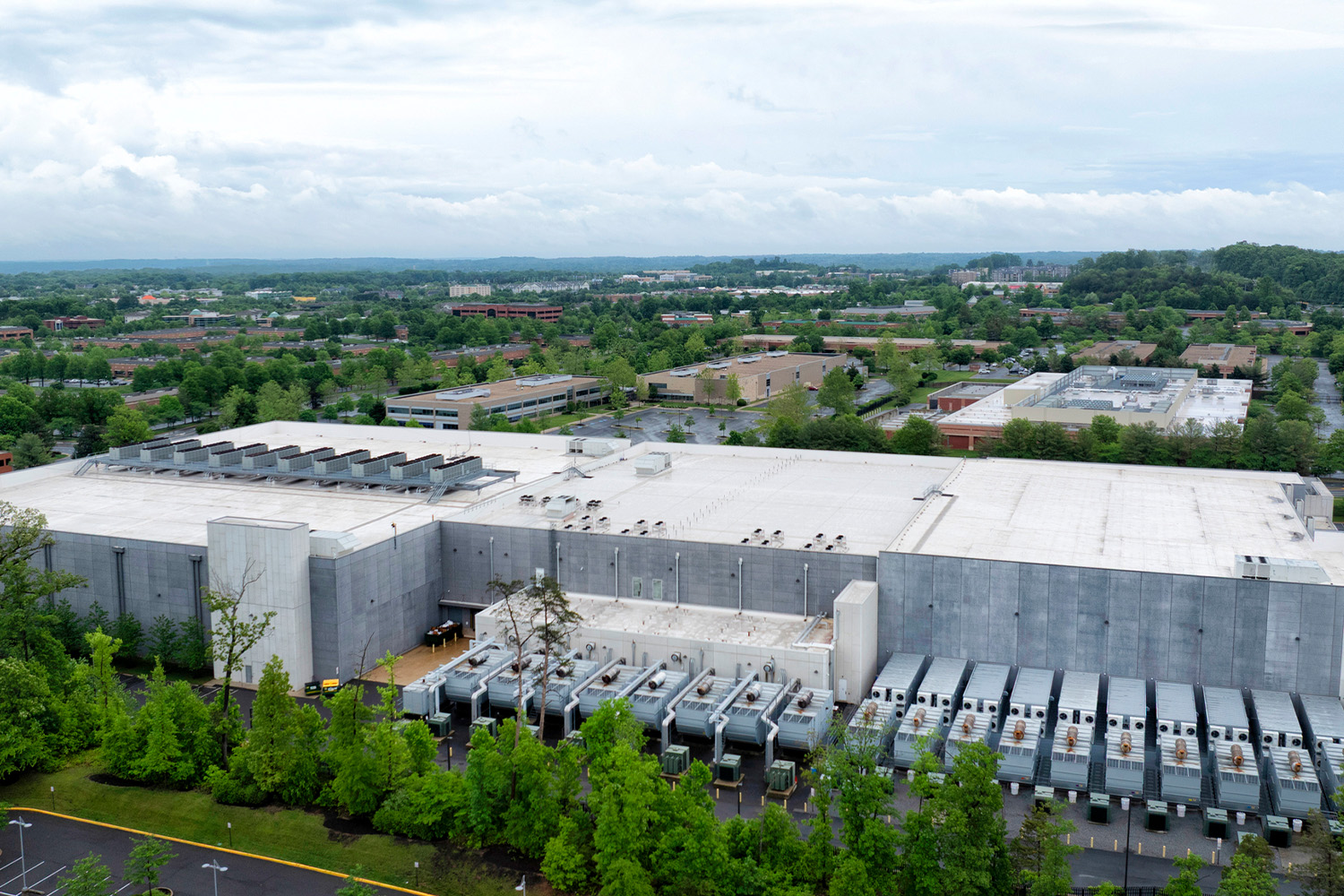
Data Center Roofing planned around Manchester-area roof conditions, winter freeze-thaw exposure, and commercial building operations.
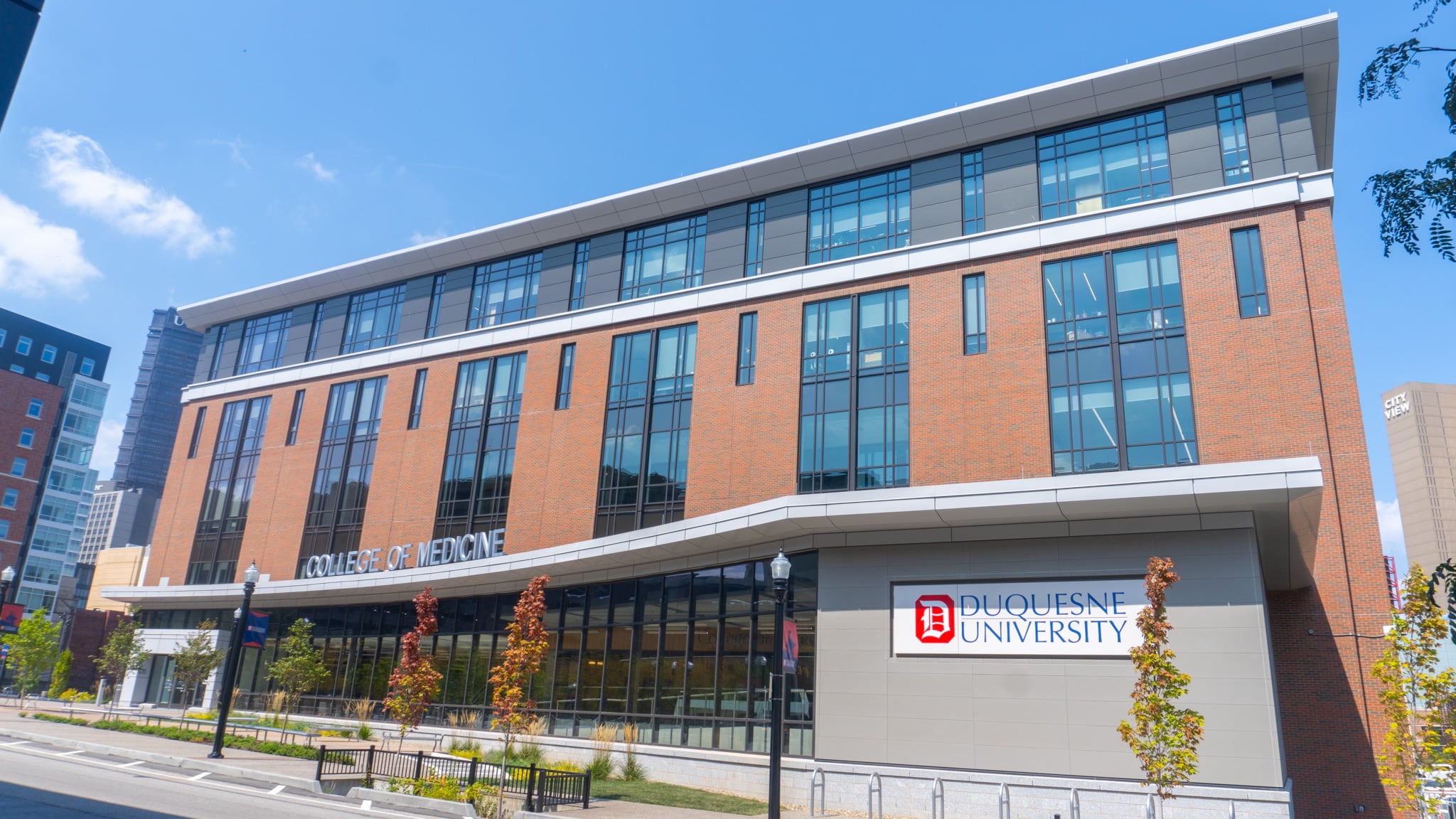
Education Facilities planned around Manchester-area roof conditions, tenant disruption limits, and commercial building operations.
Send the building location, roof age, leak location, tenant constraints, and access notes. We will point the request toward inspection, repair scope, maintenance, replacement budgeting, or bid comparison.
Contact Us