Warehouse Roofing in Manchester, NH
Warehouse Roofing in Manchester, NH , New Hampshire commercial roofing.

Flex space is the chameleon of the commercial inventory. A single building might hold a light-manufacturing shop in one bay, a distribution tenant in the next, a contractor's warehouse-and-office down the row, and a lab or showroom at the end , and those uses rotate as leases turn over. The roof has to perform across all of it. We roof multi-tenant flex and light-industrial buildings throughout Manchester's business parks: the Harvey Road and Perimeter Road clusters around the airport, the Hackett Hill area off Front Street, and the established industrial blocks along Gold Street and Second Street. What ties them together is a roof that has to survive constant change, and a tenant mix that turns every reroof into a coordination exercise as much as a construction one.
The defining problem on a multi-tenant flex roof is penetrations. Pure single-user industrial buildings keep a relatively stable roof; flex buildings accumulate years of tenant-driven modifications , added rooftop units, new electrical and HVAC runs cut through the membrane, equipment dropped on the roof outside the original loading plan , and most of it never makes it into the property records. That is not a knock on anyone; it is just what happens when a building serves five different businesses across two decades. It does mean that every flex roofing scope we run in Manchester starts with a penetration inventory survey, because you cannot price or warranty a roof you have not actually mapped.
Before any membrane decision gets made, we walk the roof and photograph and map every penetration on it, compare what is there against the original construction documents when they exist, and flag the non-standard or improperly sealed penetrations that need remediation before new membrane goes down. This is the step that prevents the warranty fights that happen when an undocumented, abandoned curb starts leaking six months after a reroof. On a multi-tenant building, the penetration field is the roof's history written in sheet metal, and we read it carefully before we touch anything.
Coordinating a reroof across tenants who all have different leases, hours, and tolerances is its own discipline. We start with a bay-by-bay occupancy map and a tenant contact list from property management, identify which bays have active rooftop equipment, which sit vacant, and which tenants are sensitive to noise or HVAC downtime, and build the sequencing and daily dry-in plan around that picture. Tenants get advance notice, but communication runs through the property manager rather than crew members fielding questions from a dozen different businesses. The point is a project that property managers can actually run without their phone lighting up every time we move to a new bay.
Manchester's flex stock runs the gamut from 1970s and 80s tilt-wall and concrete buildings with aging built-up roofs to newer pre-engineered metal buildings with standing-seam or R-panel roofs, and the right reroof depends on the deck, the existing assembly, and how much disruption the current tenants can absorb. For tilt-wall and concrete flex, a 60-mil TPO mechanically attached over new polyiso is the dependable, cost-effective standard; where rooftop equipment density or multi-tenant service traffic is heavy, stepping up to 80-mil TPO or a fully adhered 60-mil PVC buys real puncture and traffic resistance. Pre-engineered metal buildings are a different decision entirely , a standing-seam recover, a retrofit framing system, or a silicone coating is weighed against full tear-off based on panel condition, purlin spacing, and load capacity. We design and install across all of these because flex portfolios rarely have just one kind of roof.
The riskiest moment in a flex building's life is the gap between tenants, and property managers and investors need to understand why. When a tenant leaves and pulls their rooftop units, the open curbs often get capped with temporary protection that fails within a rain event or two, and a vacant bay collects debris in its drains far faster than an occupied one. Our flex inspections for buildings in lease transition always confirm curb-cap status, verify that former tenant penetrations are properly and permanently sealed, and check that the drain system is clear , because the leak that shows up in a freshly leased bay almost always started during the vacancy nobody was watching.
We survey them before we do anything else. Every penetration gets photographed and mapped, compared against the original drawings where they exist, and any non-standard or improperly sealed penetration is flagged for remediation before new membrane goes down. That up-front mapping is what prevents warranty disputes after the job is finished.
For tilt-wall and concrete buildings, 60-mil TPO mechanically attached over tapered polyiso is the cost-effective standard. Where rooftop equipment is dense or multiple tenants' service contractors are on the roof regularly, 80-mil TPO or fully adhered 60-mil PVC is worth it for the extra puncture and traffic resistance.
We start with a bay-by-bay occupancy map and contact list from property management, identify active equipment, vacant bays, and noise- or downtime-sensitive tenants, and sequence around that. Tenants get advance notice, but they communicate through the property manager, not directly with the crew.
Per roof square, based on membrane spec, assembly condition, penetration density, and bay configuration, with fixed-price proposals after a roof walk and core sampling where needed. Portfolio owners get standardized condition reports they can use for capital planning across multiple properties.
Yes. Pre-engineered metal roofs get a recover-versus-replace analysis , silicone-coated metal, retrofit standing seam, or full tear-off , weighed on panel condition, purlin spacing, and load capacity. We spec and install both recover systems and replacements.
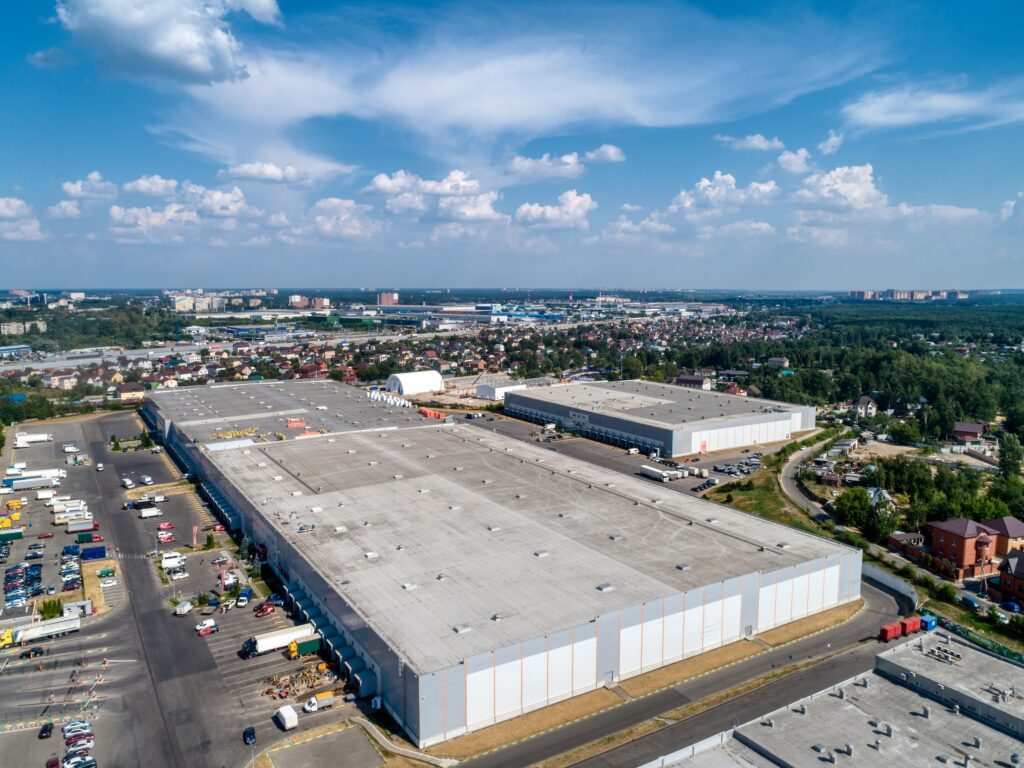
Warehouse Roofing in Manchester, NH , New Hampshire commercial roofing.
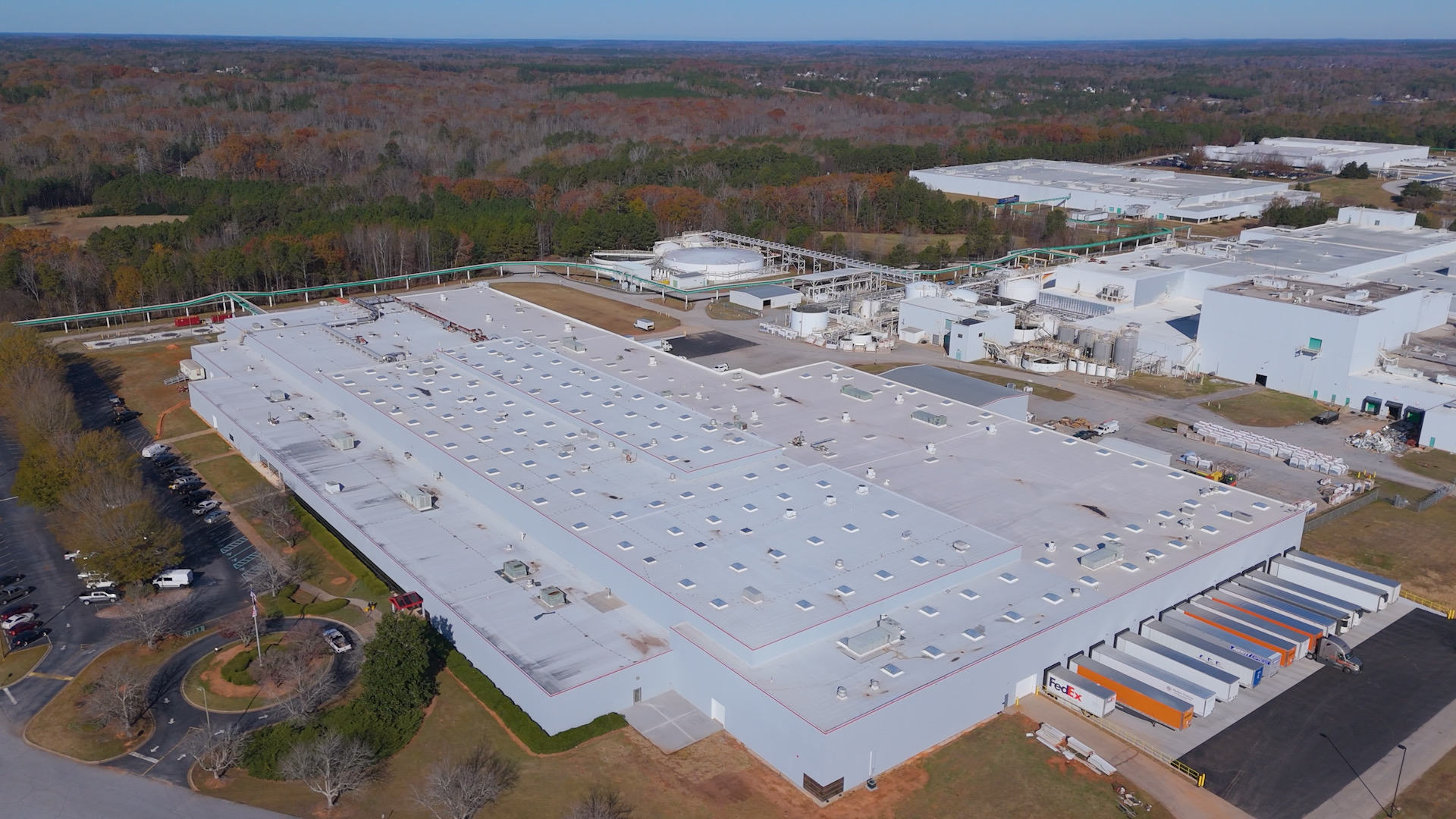
Distribution Center Roofing in Manchester, NH , New Hampshire commercial roofing.
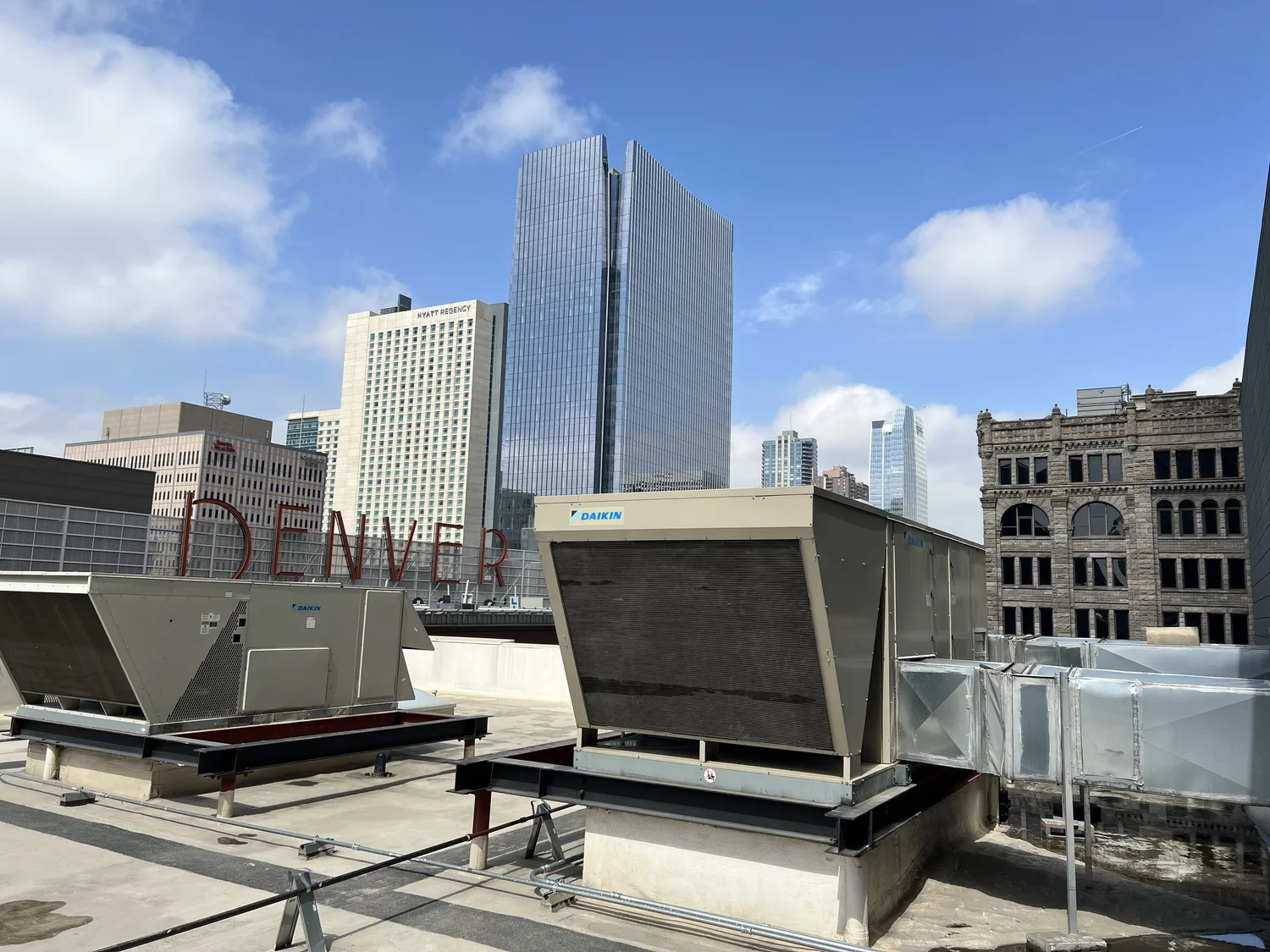
Big-Box Retail Roofing in Manchester, NH , New Hampshire commercial roofing.
Send the building location, roof age, leak location, tenant constraints, and access notes. We will point the request toward inspection, repair scope, maintenance, replacement budgeting, or bid comparison.
Contact Us