Warehouse Roofing in Manchester, NH
Warehouse Roofing in Manchester, NH , New Hampshire commercial roofing.

Above a working production line, water coming through the roof is not a maintenance ticket. It is a contamination risk that can trigger a product hold, a call to quality assurance, and a regulatory paper trail before the puddle even spreads. That is the reality we design around for food and beverage processors in Manchester. The city's processing and production buildings cluster along the Gold Street industrial corridor, the rail-served sites off Second Street, and the older heavy-commercial blocks near the river , facilities that bake, blend, bottle, freeze, and pack on schedules that almost never stop. For every one of them, our job is to make sure the roof never becomes the reason a lot gets quarantined.
Food plants put two specific pressures on a roof that ordinary commercial buildings do not: relentless interior humidity from washdown and steam, and heavy rooftop refrigeration loads serving the cold side of the operation. Both attack the roof in ways you cannot see from the parking lot, and both have to be engineered for from the start. We plan food processing roofing in Manchester to eliminate that risk up front rather than chase it after a leak shows up over the wrong line.
Sanitation in a food plant means high-pressure hot water and steam, every single day, and that moisture does not just run down the drains. It rises. A processing floor that gets washed down nightly pushes a steady column of warm, humid air against the underside of the deck, and in a New Hampshire winter that vapor hits cold steel and condenses inside the roof assembly. Left unmanaged, it corrodes the deck and saturates insulation from below while the membrane on top still looks intact. The defense is a properly designed and continuously lapped vapor retarder under the insulation, so the interior humidity has no path into the assembly. On washdown-heavy buildings, that vapor retarder is not optional , it is the difference between a roof that lasts and a deck that quietly rusts out over a packaging hall.
The refrigerated side of the plant , freezer rooms, chill rooms, blast freezers, cooler vaults , turns the roof into a thermal boundary, and that creates a problem most contractors miss entirely. Over a freezer, the vapor drive and the dew point sit inside the roof assembly, so an insulation system designed for a normal heated building will trap condensation against the deck. The symptom is deck corrosion and failed insulation with no external leak to point to. We design tapered insulation and vapor control over refrigerated spaces around the actual operating temperatures and the vapor-drive direction for Manchester's climate, so the assembly stays dry and the cold chain stays continuous. Drainage over those areas matters too , ponding water over a freezer adds thermal load to the refrigeration plant and accelerates deck corrosion, so we slope water away from the coldest, most sensitive bays rather than letting it sit there.
Not every roofing material is acceptable above a food production environment, and that starts at the membrane and runs all the way down to the adhesives, primers, and sealants in the flashing details. USDA- and FDA-regulated areas require materials confirmed acceptable for use over food zones, and many ordinary roofing adhesives are solvent-based products that simply do not belong above an open process. White single-ply membranes are generally appropriate over enclosed processing space, but we confirm the specific product and installation method against the plant's food-safety plan before anything goes down , including swapping solvent-based adhesives for low-odor or mechanically attached alternatives where the operation requires it.
Most Manchester processors run two or three shifts with one weekly sanitation window as the only time the floor is truly down. Any work that opens the envelope above an active production area has to live inside that window, with the QA manager confirming the floor is clean and protected before we start. We build the phasing around your production calendar, not the other way around, and we coordinate any work near refrigeration coils or condensing units with your refrigeration team so cold-chain continuity is never interrupted. Every section is dried in watertight before the line comes back up , there is no version of this work where we leave an opening over a floor that is about to run product.
No. USDA- and FDA-regulated areas require membranes, adhesives, primers, and sealants confirmed acceptable over food zones, and many standard roofing adhesives are solvent-based products that are not appropriate above an open line. We confirm every material against your food-safety plan before installation and substitute low-odor or mechanically attached alternatives where needed.
Because the condensation is forming inside the assembly. Over a freezer the dew point sits within the roof, and insulation designed for a normal heated building traps moisture against the deck. The fix is insulation and vapor control engineered for the actual freezer temperature and the local vapor-drive direction, plus drainage that keeps water off the coldest bays.
We work inside your weekly sanitation window for anything that opens the envelope over the floor, build the phasing around your shift schedule, and dry in every section watertight before the line restarts. Work near refrigeration equipment is coordinated with your refrigeration team to protect the cold chain.
You contact QA and facilities for a product-hold evaluation, and we mobilize on priority for a temporary dry-in and provide the documentation your incident reporting needs. Emergency response contact information is part of every closeout package we hand over.
Yes. Roof condition is a standard inspection item, and we provide condition documentation and repair records your QA team can produce to show proactive roof maintenance during an inspection.
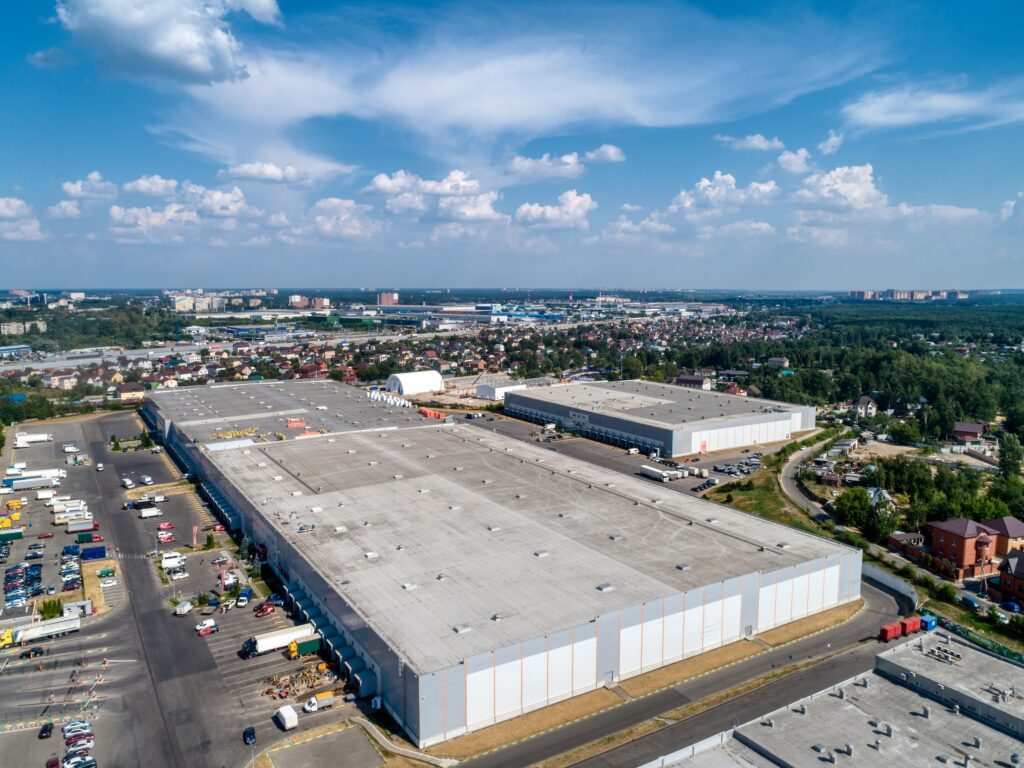
Warehouse Roofing in Manchester, NH , New Hampshire commercial roofing.
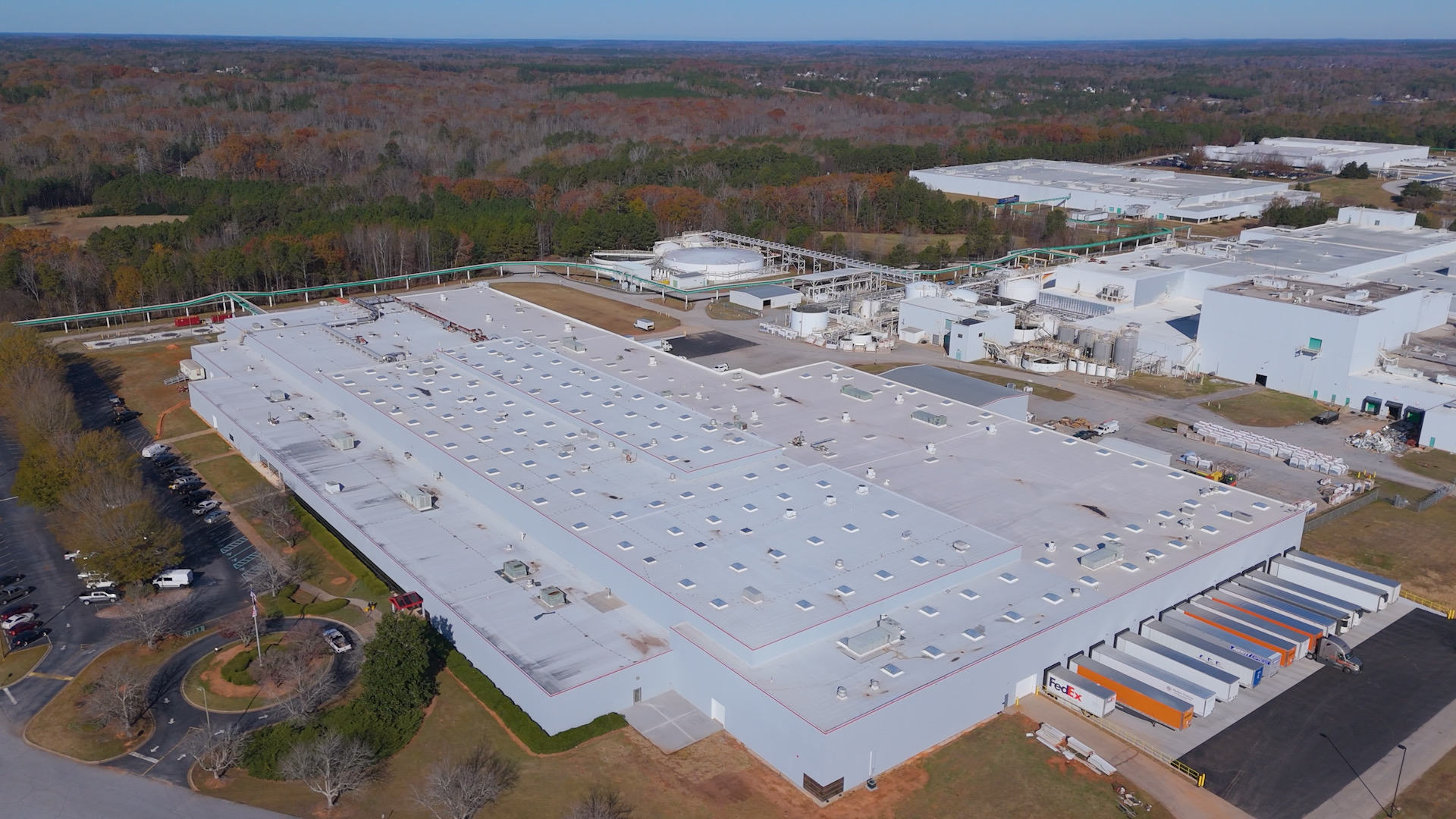
Distribution Center Roofing in Manchester, NH , New Hampshire commercial roofing.
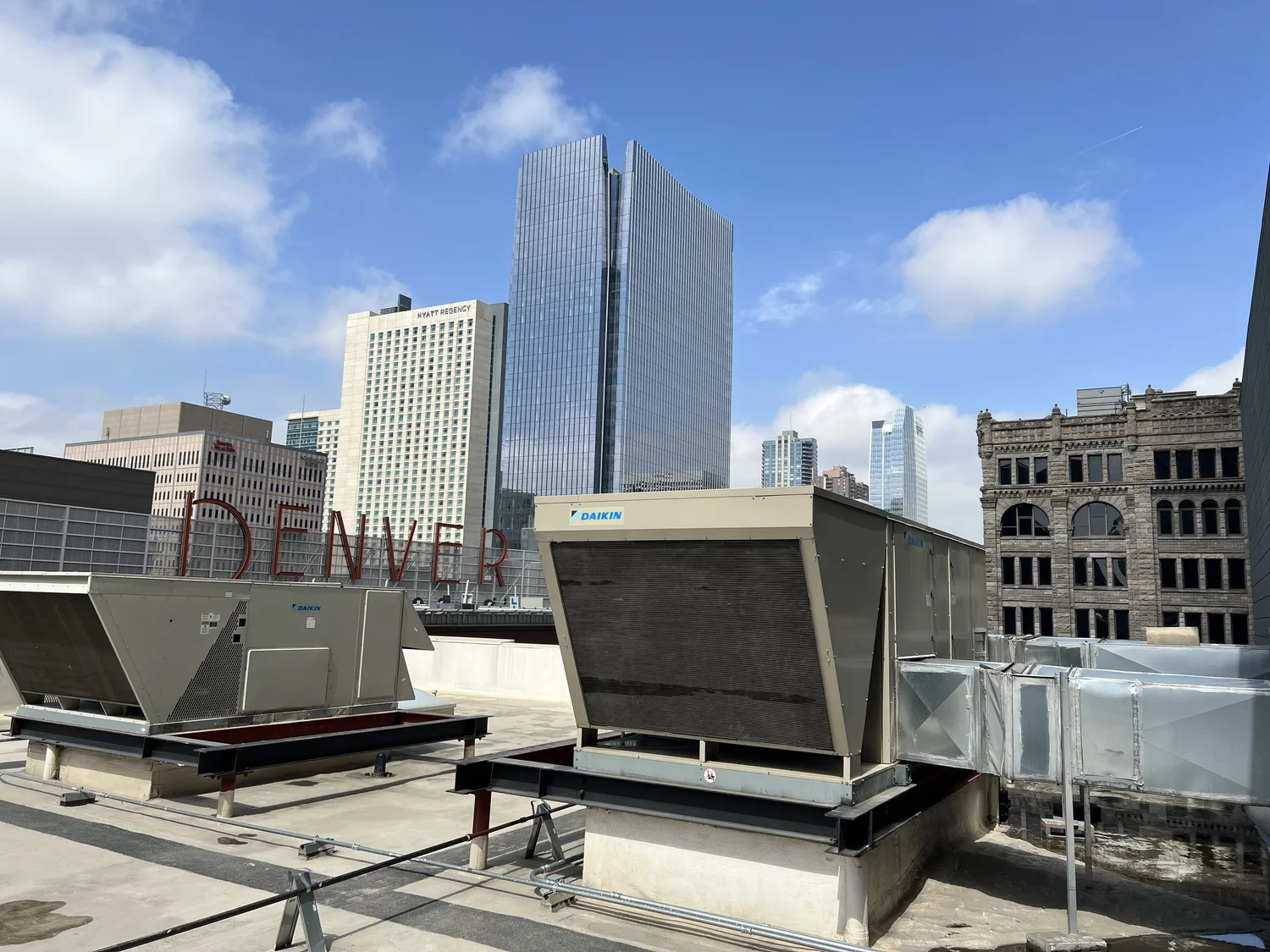
Big-Box Retail Roofing in Manchester, NH , New Hampshire commercial roofing.
Send the building location, roof age, leak location, tenant constraints, and access notes. We will point the request toward inspection, repair scope, maintenance, replacement budgeting, or bid comparison.
Contact Us