Warehouse Roofing in Manchester, NH
Warehouse Roofing in Manchester, NH , New Hampshire commercial roofing.

A car wash is the rare commercial building where the roof gets attacked harder from the inside than from the weather above it. We roof express tunnels, in-bay automatics, and self-serve bays across Manchester, and on every one of them the real adversary is the warm, chemical-laden fog that rises off the wash equipment all day long and condenses against the underside of the deck. The high-traffic wash corridors here , South Willow Street near the Mall of New Hampshire, Second Street toward the West Side, and the Brown Avenue stretch feeding the airport , are dense with these facilities, and most of them were roofed by someone who treated the building like an ordinary retail box. It is not one, and the roof fails accordingly.
When you run heated water, foaming detergents, tire-dressing compounds, drying agents, and wax through enclosed bays for fourteen hours a day, you generate a constant column of humid vapor. That vapor carries surfactants and alkaline chemistry with it. It works its way up through every seam, fastener head, and curb gap, then condenses on the cold steel deck in a New Hampshire winter and starts corroding fasteners and rotting insulation from a side no inspector ever sees. By the time a stain shows up on the ceiling, the deck above an express tunnel can already be pitted. Our entire approach to car wash roofing in Manchester is built on stopping that interior vapor drive before it ever reaches the structure.
The enclosure directly over the active wash , the tunnel on an express, or the bay on an in-bay automatic , is the most punishing roof zone we work on anywhere in the city. Three things happen there at once: thermal cycling from hot-water spray, mechanical wear from the air pressure of high-volume dryers, and continuous chemical exposure. Standard single-ply membranes are not tested for that combination, and most manufacturer warranties specifically exclude chemical attack.
Membrane chemistry matters more here than on almost any other building. TPO and EPDM both lose ground to the alkaline detergents and wax solvents that a modern wash menu puts into the air. PVC holds up far better because its plasticizer package resists that chemistry, which is why we lean toward a 60-mil fleece-back PVC, fully adhered, over the tunnel itself. Fully adhered matters as much as the material , it eliminates the membrane flutter that dryer air pressure induces in a mechanically attached field, and it removes the fastener penetrations that vapor loves to travel through. Before we specify anything, we ask which chemical line the wash runs, because a basic exterior-only express and a full-service operation running hot wax and ceramic coatings are not the same roofing job.
On in-bay and self-serve formats the chemistry is gentler, but drainage becomes the headline issue. These buildings frequently get put up with minimal slope over the equipment mezzanine, and ponding sits directly above the reclaim tanks and pump room. Standing water plus a building that pushes humidity upward is exactly the recipe for blistered membrane and saturated insulation. We map slope and drain locations on every car wash inspection and, where the deck allows, design tapered insulation to actually move water to a scupper or drain instead of letting it pool over the most moisture-sensitive part of the building.
The detail that separates a wash roof that lasts from one that fails in five years is the vapor retarder and the way the high-volume dryer exhaust penetrations are flashed. Those exhaust fans move enormous volumes of saturated air, and a standard pipe-boot detail will not survive the airflow or the chemistry around them. We treat every dryer stack, blower curb, and equipment vent as an individual engineered penetration with oversized, chemically compatible flashing, and we install a properly lapped vapor retarder under the insulation so the interior fog has nowhere to migrate. Get those two things right and the deck stays dry; get them wrong and no membrane on the market will save the building.
Manchester's express washes almost all run vacuum canopies and pay-station canopies out on the lot, and these structures fail on a completely different schedule than the main building. They take vehicle exhaust, overspray drift, road grime, and full outdoor thermal cycling, and the connection where the canopy ties back to the main wall is the single most common leak we find on these properties. Canopy drains clog, canopy-to-building counterflashing pulls loose, and the gutters that run the vacuum islands rust through. We scope all of it , canopy membrane or panel replacement, gutter and downspout repair, and the wall transitions , so the whole site is addressed, not just the roof you can see from the road.
A successful Manchester wash runs seven days a week through most of the year, and tunnel revenue is too valuable to shut down for a roof. We sequence the work the way the building actually operates. Tunnel and bay roof work gets staged into the early-morning and late-evening close windows so the wash equipment underneath is protected and the line keeps moving during business hours. Exterior building areas, equipment-room roofs, and canopy work happen during the day behind traffic control that keeps vehicles clear of the crew. Every section is dried in watertight before we leave it, because one open seam over a running tunnel is a flood, not a leak.
Almost always because the damage is happening from underneath. Interior humidity and chemical vapor migrate up through the assembly and condense on the deck, corroding fasteners and saturating insulation while the top surface still looks serviceable. The fix is a proper vapor retarder, adhered chemical-resistant membrane, and exhaust penetrations detailed for the airflow , not another patch on top.
A 60-mil PVC, typically fleece-back and fully adhered. PVC resists the alkaline detergents and wax compounds in the wash vapor far better than TPO or EPDM, and the adhered application kills the membrane flutter from dryer air pressure while removing the fastener penetrations vapor travels through.
Only if it is written to. Most standard single-ply warranties exclude chemical exposure, so we confirm with the manufacturer that the specific wash chemistry is compatible with the specified system and pursue a chemical-exposure or car-wash warranty where one is available. We sort that out before we install, not after a claim.
Yes. We stage tunnel and bay work into your morning and evening close windows and keep each section dried in watertight, while exterior and canopy work proceeds during business hours behind traffic control. The wash keeps running.
We do. Canopy roofs, gutters, downspouts, and the canopy-to-building connections are part of our scope , and on Manchester express sites those transitions are the leak we find most often, so they get addressed alongside the main building.
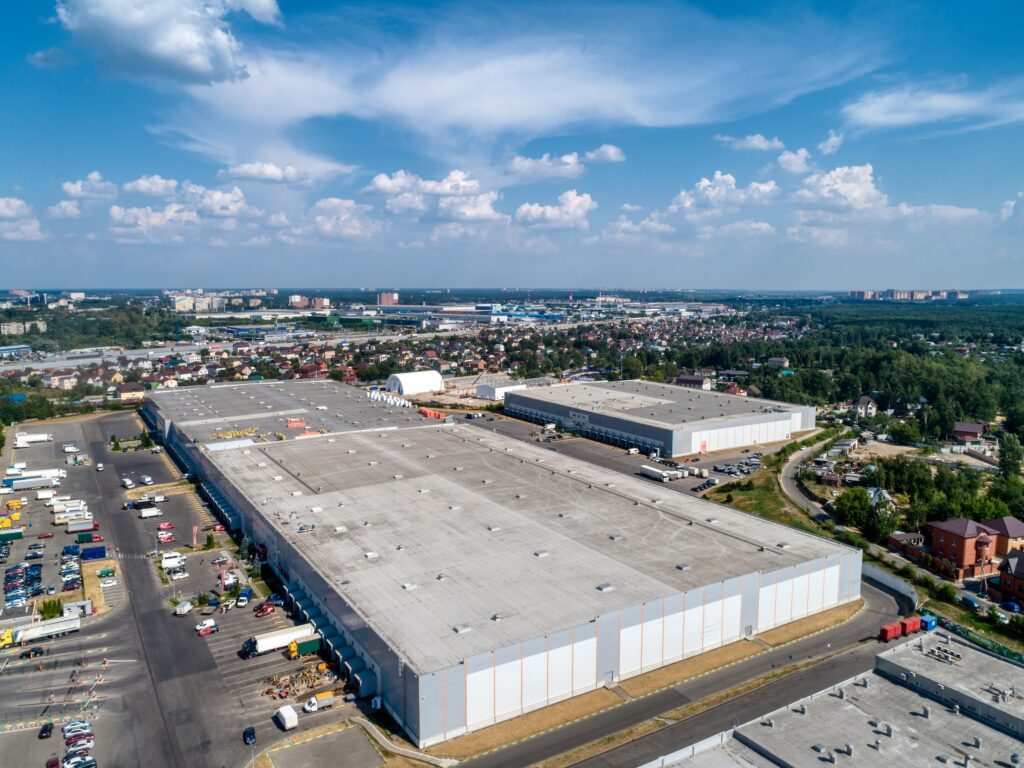
Warehouse Roofing in Manchester, NH , New Hampshire commercial roofing.
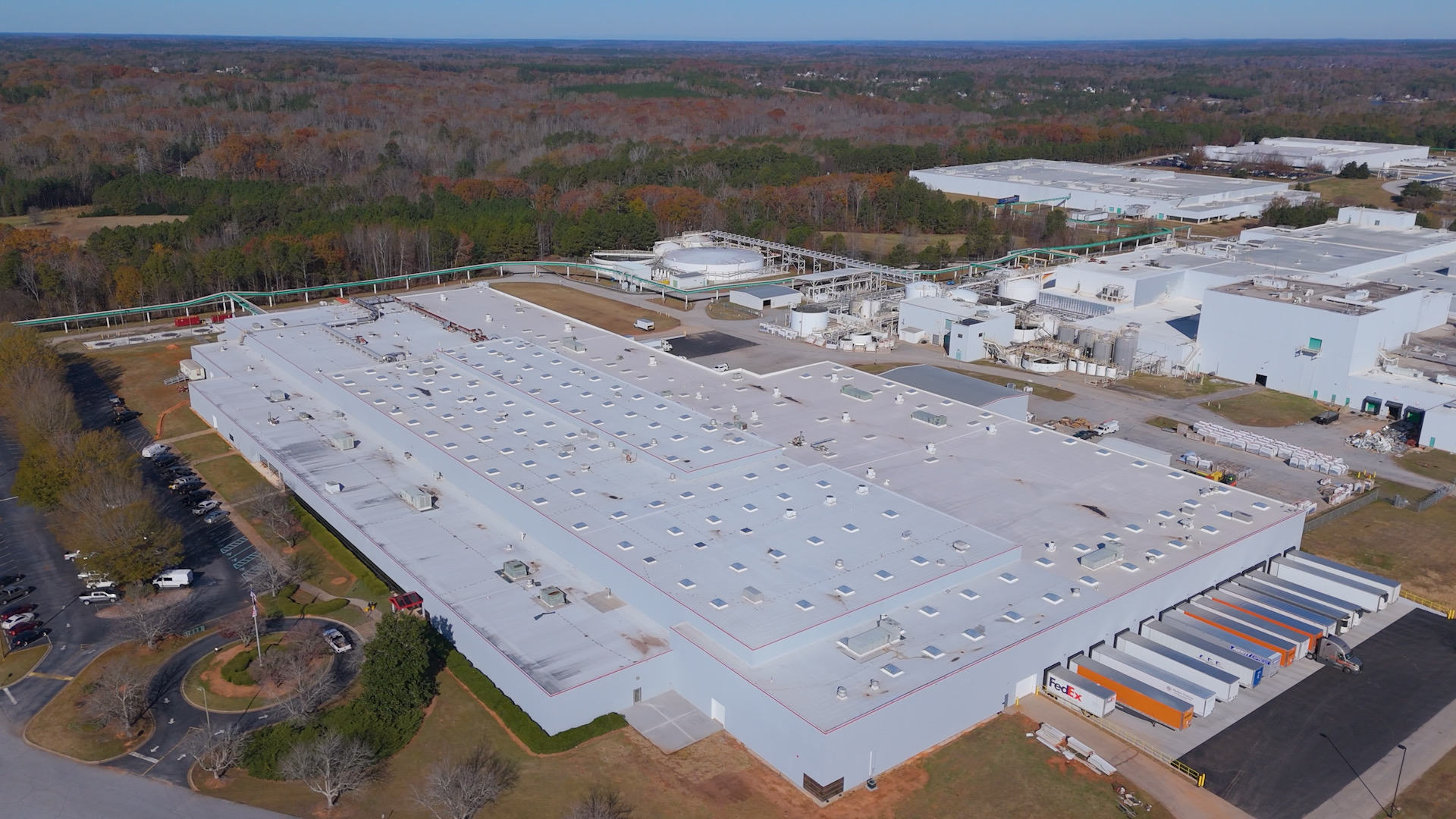
Distribution Center Roofing in Manchester, NH , New Hampshire commercial roofing.
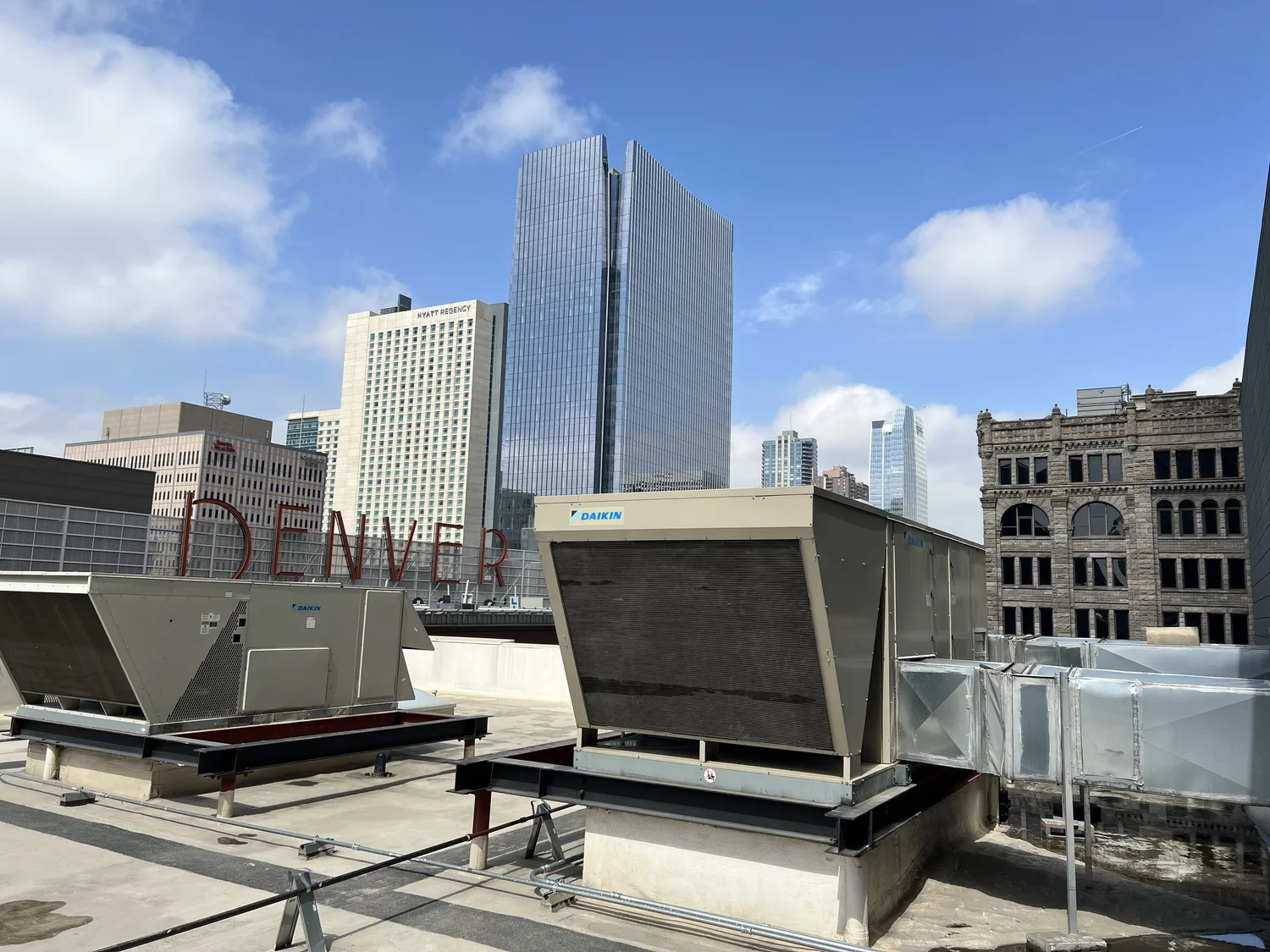
Big-Box Retail Roofing in Manchester, NH , New Hampshire commercial roofing.
Send the building location, roof age, leak location, tenant constraints, and access notes. We will point the request toward inspection, repair scope, maintenance, replacement budgeting, or bid comparison.
Contact Us