Warehouse Roofing in Manchester, NH
Warehouse Roofing in Manchester, NH , New Hampshire commercial roofing.

A bank branch has one of the smallest flat roofs we work on and one of the lowest tolerances for water getting through it. The footprint is modest, but underneath that membrane sit a teller line, customer-facing floors, sometimes a vault, and increasingly server and network equipment that the branch cannot operate without. A leak that would be a nuisance in a warehouse is an immediate business event in a bank, and the building is occupied and serving customers six days a week while the work happens. Manchester's financial buildings are spread across exactly the kinds of corners that get noticed: the bank branches clustered along the South Willow Street retail corridor, the downtown institutions and corporate offices around Elm Street and Hanover Street, and the credit unions serving the neighborhoods out toward Bedford, Hooksett, and the Mall of New Hampshire trade area. These are high-visibility properties, and a stained ceiling or a streaked drive-through canopy is the kind of thing customers register.
Manchester is the banking and financial hub of the state, anchoring southern New Hampshire's economy, and that means a wide mix of building types fall under this category: national branch banks, regional and community banks, credit union headquarters, and the financial-services office buildings that house wealth management and back-office operations. They share a common roofing profile of small, complex, heavily penetrated flat roofs where the appearance of the property is part of the brand and the operations below cannot be interrupted.
The roof on a bank carries far more going through it than its size implies. A retail branch typically has a drive-through canopy tied into the building, an ATM kiosk enclosure, a rooftop exhaust for the generator's transfer-switch room, and precision air conditioning serving the server room. Each of those is a discrete flashing detail, and on a roof this small they are packed close together. The density is the challenge: a generic field membrane is easy, but the value is in detailing the cluster of penetrations correctly so none of them becomes the leak that drips onto a customer floor.
The single most common chronic leak on a retail bank is the drive-through canopy where it meets the building wall. That transition takes thermal cycling, vehicle and weather exposure, and differential settlement between the canopy structure and the main building, and standard retail flashing details are not built to handle that movement over the long term. We treat the canopy-to-wall transition as its own scope item rather than rolling it into the field membrane. If the detail is deteriorated, we re-flash it with an assembly designed for the movement these connections actually see, because replacing the field membrane alone never solves a canopy leak. The canopy roof and its drains get assessed at the same time, since a streak running down a drive-through column is exactly the kind of visible defect a bank wants gone.
On the field membrane itself, a 60-mil TPO over polyiso is a common specification, and the small footprint makes a reflective cool-roof surface or a silicone restoration coating an economical option worth evaluating, particularly where the existing roof is sound but weathering. New England's freeze-thaw cycling is hard on the many transitions and penetration flashings these roofs carry, so the detailing around every curb and the canopy connection is where the roof's real lifespan is won or lost.
Security requirements govern roofing at a financial building more than at almost any other commercial property. Contractor badging, escort requirements for areas adjacent to the vault, and camera documentation of contractor activity are standard at bank-owned properties. We factor the security-coordination timeline and crew credentialing into the bid schedule from the start, so they are not surprises that surface as added cost after the contract is signed. Where a vault or other sensitive area sits below a roof zone, we identify it from the building drawings before mobilization, sequence work over that zone during approved windows, and confirm with the security team that no active operations are affected by vibration or temporary access changes.
The financial buildings in Manchester fall into two roofing worlds, and they call for different work. The downtown institutions and corporate offices around Elm Street occupy older multi-story buildings, some of them historic, with built-up or modified-bitumen roofs over concrete or early steel decks, brick parapets, and rooftop mechanical that has been added and replaced over decades. The freestanding branch boxes out along the South Willow Street corridor and near the Mall of New Hampshire are newer, single-story buildings with the canopy-and-kiosk roof profile, where the challenge is the density of penetrations rather than the age of the structure. We scope each accordingly. On an older downtown building, the parapet and the through-wall flashing often matter more than the field membrane, and a stain on an upper-floor wealth-management office traces back to masonry and coping long before it traces to the roof surface itself.
On the newer branch buildings, the value is in the detailing density and in keeping the small roof watertight through New Hampshire winters that are hard on every flashing and seam. A small roof has proportionally more edge, more penetration, and more transition per square foot than a large one, so the freeze-thaw exposure concentrates on exactly the details most likely to fail. We detail those connections for the movement and the ice loading they actually see, because on a roof this small there is no large field of healthy membrane to mask a bad detail. Either building type benefits from a maintenance program rather than a wait-for-the-leak approach, given how disruptive any water intrusion is to a bank's operations.
Branch roofing is generally sequenced to concentrate active tear-off and installation during off-hours and weekends, with daily watertight dry-in confirmed before the branch opens each morning. We coordinate work windows, noise limits during customer-service hours, and any security-escort requirements for roof access with the branch manager and the corporate facilities team. The goal is a roof replaced over a fully operating branch with no interruption to customers and no exposed assembly left overnight above a vault or a server room.
Financial institutions in Manchester often hold multiple branches under a centralized real estate or facilities structure, and national programs run through preferred-vendor frameworks with standardized documentation and account pricing. We work within those structures for portfolio accounts and directly with the community banks and credit unions managing individual properties here. The closeout package meets corporate banking requirements either way: insurance and license verification before mobilization, a pre-construction safety plan, daily work and dry-in reports, manufacturer warranty registration in the owner's name, and a final permit and inspection package. If you manage one branch or a portfolio across the Manchester area, we will assess the roofs and scope the work around your operating hours and security requirements.
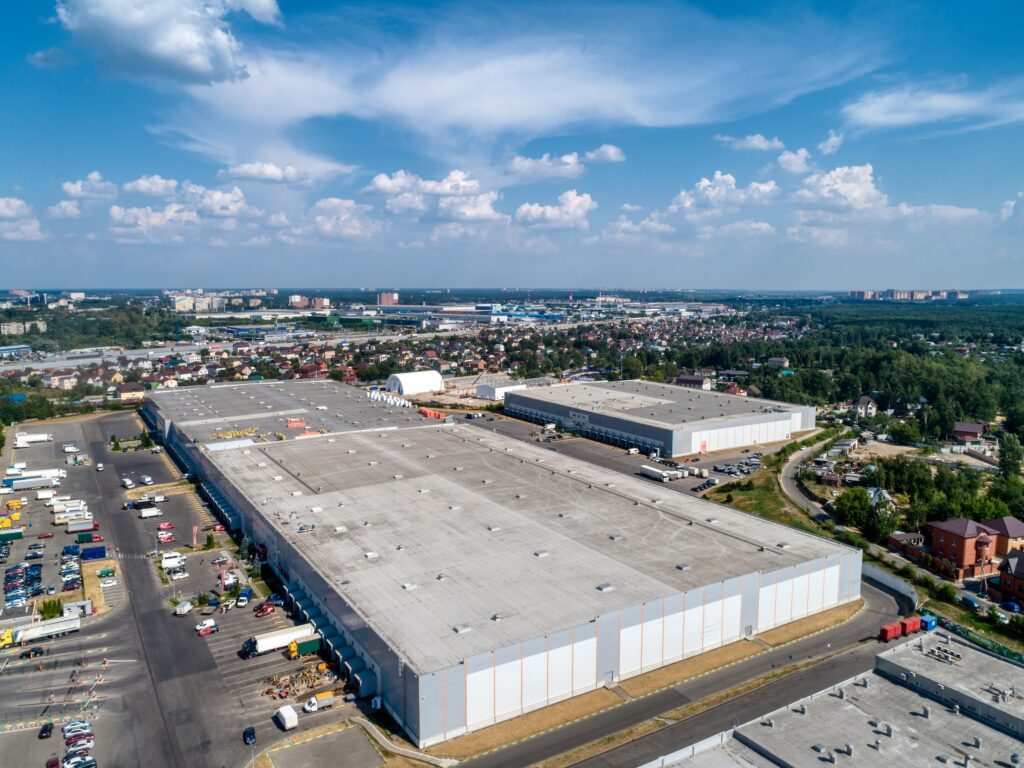
Warehouse Roofing in Manchester, NH , New Hampshire commercial roofing.
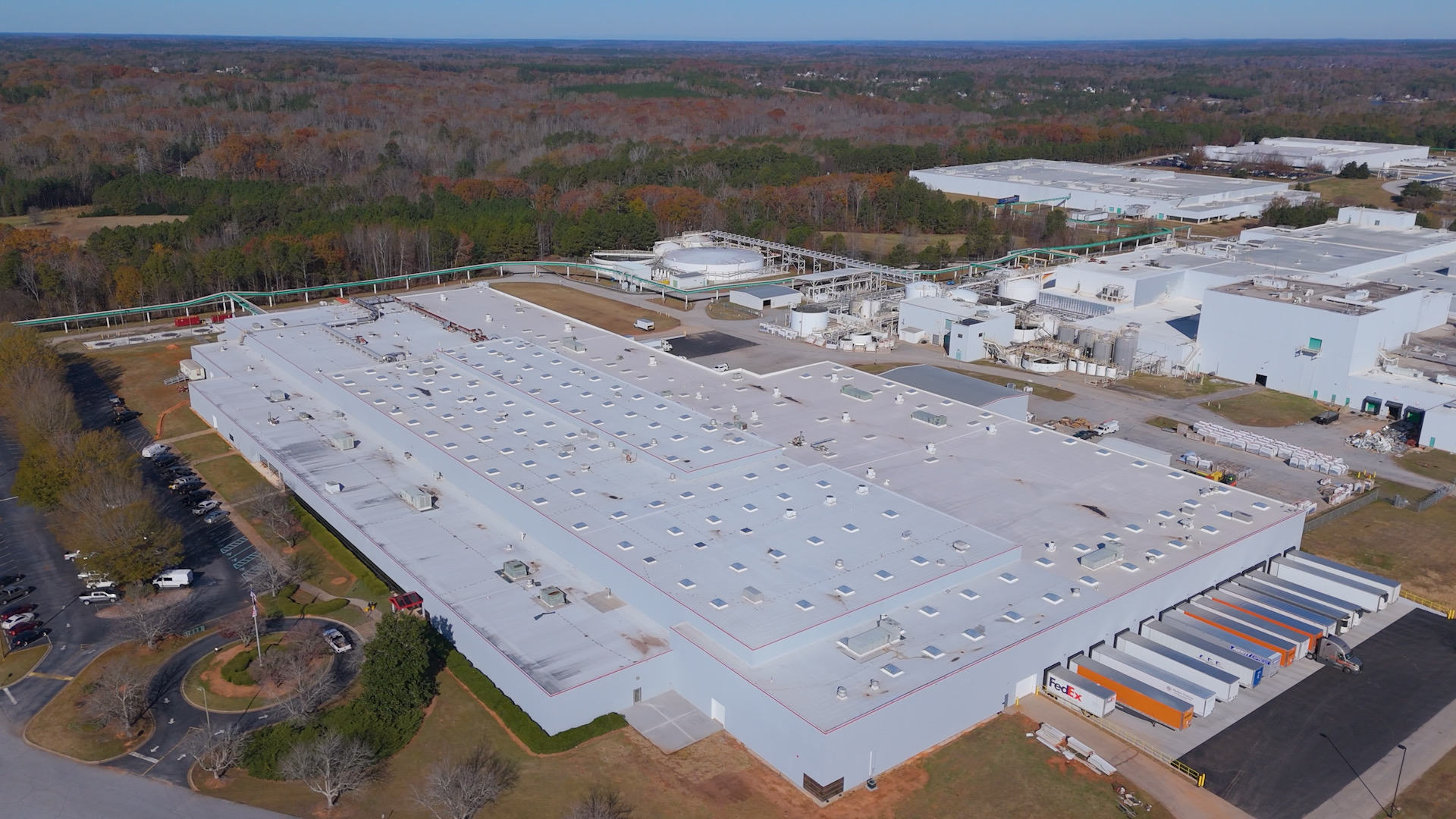
Distribution Center Roofing in Manchester, NH , New Hampshire commercial roofing.
Send the building location, roof age, leak location, tenant constraints, and access notes. We will point the request toward inspection, repair scope, maintenance, replacement budgeting, or bid comparison.
Contact Us